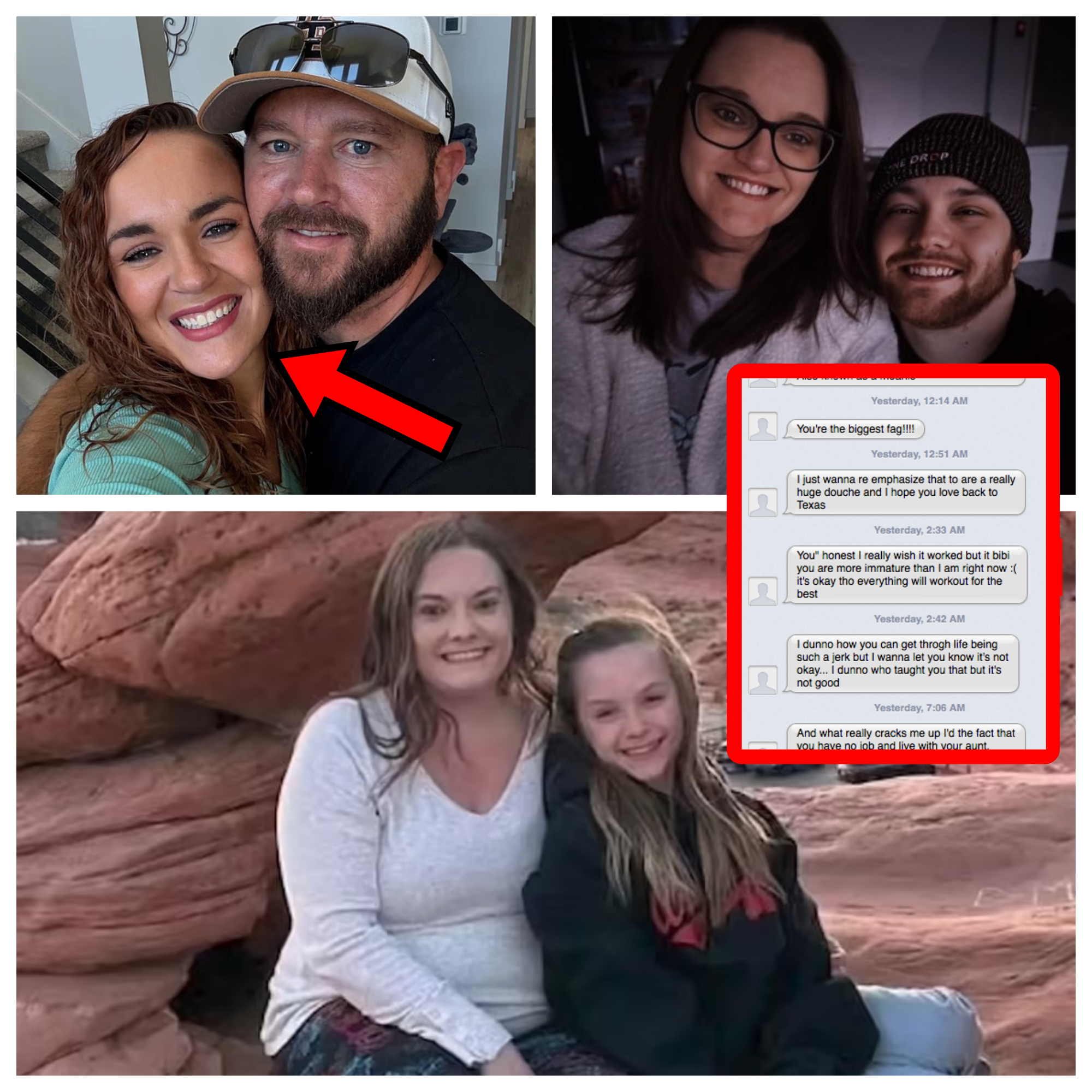
A prolonged and bitter custody dispute in Utah escalated tensions that ultimately contributed to one of the most heartbreaking outcomes imaginable. Tawnia McGeehan, the mother of 11-year-old Addi Smith, navigated years of legal battles with her ex-husband Bradley Smith, marked by strict court-imposed rules and mutual allegations that left deep emotional scars.
Court orders from the divorce finalized in 2017 required parent-time exchanges to occur at neutral locations like the child’s school or the Herriman Police Department. Parents were mandated to park at least five stalls apart to reduce direct contact, and crucially, neither party was permitted to record the child during these transitions. Despite these safeguards, in 2021 Tawnia filed for a temporary restraining order, claiming Addi’s stepmother repeatedly filmed the exchanges. She argued this violated the explicit no-recording provision and created an intimidating atmosphere every time she handed over or received her daughter.
The filings highlighted ongoing friction in what had become a nine-year saga since the initial split. Earlier rulings had temporarily shifted primary custody to the father in 2020, with a judge citing concerns that Tawnia exhibited behaviors on the spectrum of parental alienation and had committed domestic abuse in Addi’s presence. Supervised visitation followed for Tawnia, adding financial and emotional strain as she covered monitoring costs. By 2024, however, the parties negotiated a joint custody agreement with alternating weekly schedules, a development that brought temporary relief and allowed Tawnia to rebuild her involvement in Addi’s life.
Addi thrived in the cheerleading world, competing with Utah Xtreme Cheer. Tawnia immersed herself in this community, attending practices, organizing team support, and sharing proud moments online. Yet beneath the surface, sources close to the family describe a persistent undercurrent of hostility. Reports suggest the stepmother’s actions extended beyond mere recording—allegations surfaced in private conversations and online circles that derogatory comments about Tawnia’s appearance circulated, including body-shaming remarks that amplified her sense of humiliation during an already vulnerable time.
These claims, while not detailed in public court filings, align with broader accounts from those who knew Tawnia. Friends noted she felt constantly scrutinized, as if every interaction was documented and potentially weaponized. The combination of filmed handoffs and perceived online mockery created a toxic environment where co-parenting felt like a public trial. Mental health professionals explain that such sustained perceived bullying—especially targeting physical appearance—can erode self-worth, intensify isolation, and exacerbate underlying depression in high-conflict divorce scenarios.
The tragedy unfolded during a cheer competition trip to Las Vegas in February 2026. Tawnia and Addi checked into the Rio Hotel & Casino as part of the Utah Xtreme Cheer team’s travel. When Addi failed to appear for an event, team members raised alarms, prompting a welfare check. Authorities discovered both mother and daughter deceased in their room, with investigators concluding Tawnia had shot Addi before taking her own life. A note was recovered, though its contents have not been publicly disclosed. The Clark County Coroner’s Office officially ruled Tawnia’s death a suicide.
The cheer community reeled from the loss. Addi was remembered as a vibrant, fearless athlete who embraced every challenge on the mat. Coaches and teammates described her infectious energy and dedication, noting how cheer had become central to her identity. Tawnia, despite personal struggles including past brushes with the law related to custody incidents (such as reduced charges for custodial interference), had appeared more stable in recent years. Her family revealed she battled depression but showed signs of improvement after the 2024 custody resolution.
In the wake of the incident, attention turned to the toll of extended family court conflicts. Experts point out that rules like no-recording policies aim to protect children from adult drama, but when trust breaks down, violations—or even suspicions of violations—fuel resentment. Online harassment, including body-shaming in group chats or indirect posts, adds another layer of torment that courts rarely address directly. Advocates call for mandatory mental health evaluations in prolonged cases, stronger enforcement against digital abuse, and emphasis on mediation to prevent escalation.
Tawnia’s mother shared that her daughter had recently faced hostile messages from a few other cheer parents, compounding existing pressures. This revelation underscores how external community dynamics can intersect with family disputes, turning supportive environments into sources of additional pain. The stepmother, while less vocal publicly, had previously expressed concern during the period when Tawnia and Addi were reported missing, indicating shared anguish across divided households.
Addi’s story transcends the specifics of one case, serving as a sobering warning about the human cost when custody battles drag on without adequate support. Children caught in such crossfire deserve protection from the fallout of parental grievances. Systems must evolve to prioritize early intervention, counseling, and de-escalation over adversarial victories. No family should reach the point where despair overrides everything else.
The cheer world continues to grieve, holding vigils and fundraisers in Addi’s memory. Her legacy as a bright, spirited girl who loved flipping and smiling endures, even as questions linger about the invisible burdens her mother carried. Healing for those left behind will take time, but the tragedy compels reflection: how many warning signs go unnoticed in high-conflict families, and what more can be done to intervene before it’s too late?