The tranquil Swiss Alps ski haven of Crans-Montana was shattered on New Year’s Day 2026 when a joyous party at Le Constellation bar erupted into a catastrophic fire, killing 40 and injuring 116 in one of Switzerland’s deadliest peacetime disasters. At the heart of this heartbreak is 18-year-old Roze, a courageous local whose split-second choice to re-enter the blazing venue to save a trapped friend has left her in a life-or-death struggle, her body ravaged by severe burns. This tale of altruism amid apocalypse has gripped the nation, underscoring the thin line between heroism and tragedy.
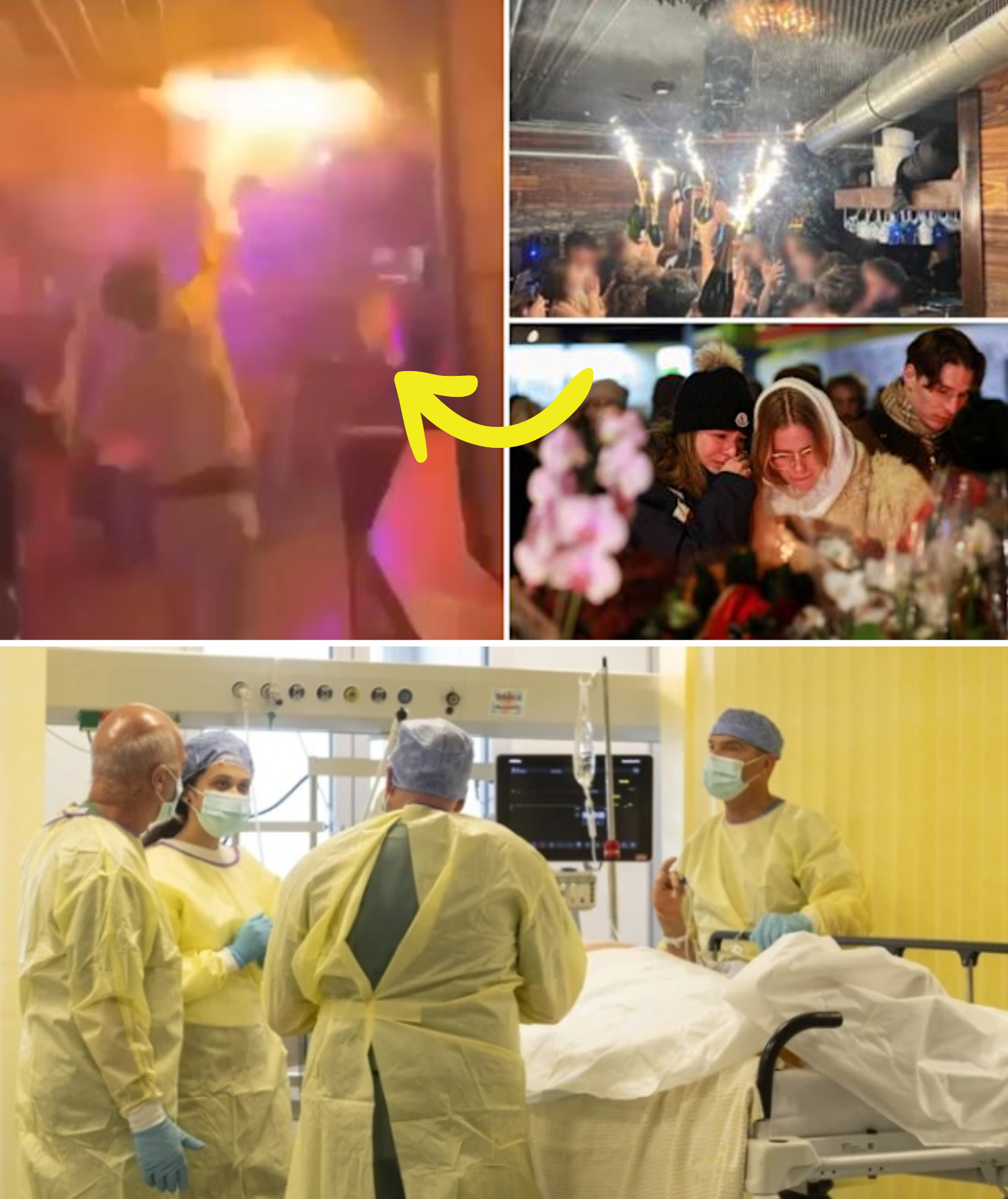
The inferno ignited shortly after midnight in the bar’s underground space, packed with over 200 revelers, many in their teens and early twenties. Eyewitnesses recount how the festive mood—fueled by music, dancing, and champagne—turned lethal when staff paraded bottles adorned with lit sparklers. These pyrotechnics, a staple for celebrations, sparked against the ceiling’s combustible acoustic panels, triggering a rapid flashover. Flames raced across the foam insulation, releasing toxic fumes that suffocated victims and caused explosive bursts of heat. Panic ensued as patrons funneled toward the single narrow exit, leading to a deadly stampede. The bar’s design, with its low ceilings and limited ventilation, amplified the horror, reminiscent of past nightclub tragedies.
Roze, described by friends as outgoing and fiercely loyal, was among the lucky few who initially escaped. Having navigated the smoke-filled chaos to reach fresh air outside, she paused only briefly before learning her close friend remained inside. Defying the roaring flames and rescuers’ warnings, she charged back into the hellish scene. Witnesses recall her silhouette vanishing into the smoke, her screams echoing amid the crackle of fire. Moments later, firefighters pulled her out, her skin blistered and charred from head to hands. Rushed to a Belgian burn clinic specializing in severe cases, Roze was placed in an induced coma, her prognosis guarded as medical teams battle infection risks and organ damage. Her family, holding vigil, shares updates of her fighting spirit, drawing support from a global outpouring of prayers and donations.
The victim demographics paint a somber picture: over half were under 18, with the youngest at 14, highlighting lax age enforcement at the venue. Le Constellation, a popular spot for locals rather than tourists, allowed entry from age 16 but reportedly turned a blind eye to younger attendees. This has fueled outrage and calls for reform. Swiss authorities, declaring national mourning, have launched a probe revealing no fire inspections since 2019. Prosecutors swiftly charged the bar owners with manslaughter, negligence, and safety violations, pointing to inadequate fire suppression systems and overcrowding. Experts note the foam material, cheap and sound-absorbing, was a known fire hazard, banned in many countries post similar incidents.
Crans-Montana, famed for its pristine slopes and luxury vibes, now bears scars of sorrow. Memorials sprout along snowy streets: teddy bears, photos, and candles flicker in tribute. A silent vigil drew thousands, including survivors with bandaged limbs sharing tales of survival. The Swiss president labeled it a “national wound,” vowing stricter regulations for public venues. International aid flowed in, with neighboring countries offering hospital beds as local facilities overflowed.
Roze’s bravery resonates beyond borders, inspiring discussions on instinctual heroism. As she clings to life, her story reminds us of human bonds’ power—and peril. While reconstruction begins, the emotional rebuild for families, including Roze’s, will take far longer. This New Year’s blaze not only stole lives but ignited a reckoning on safety in celebration spaces worldwide.