Groomed Online, Murdered, Dismembered: The Chilling Case of Hailey Buzbee and the Fight for Hailey’s Law.
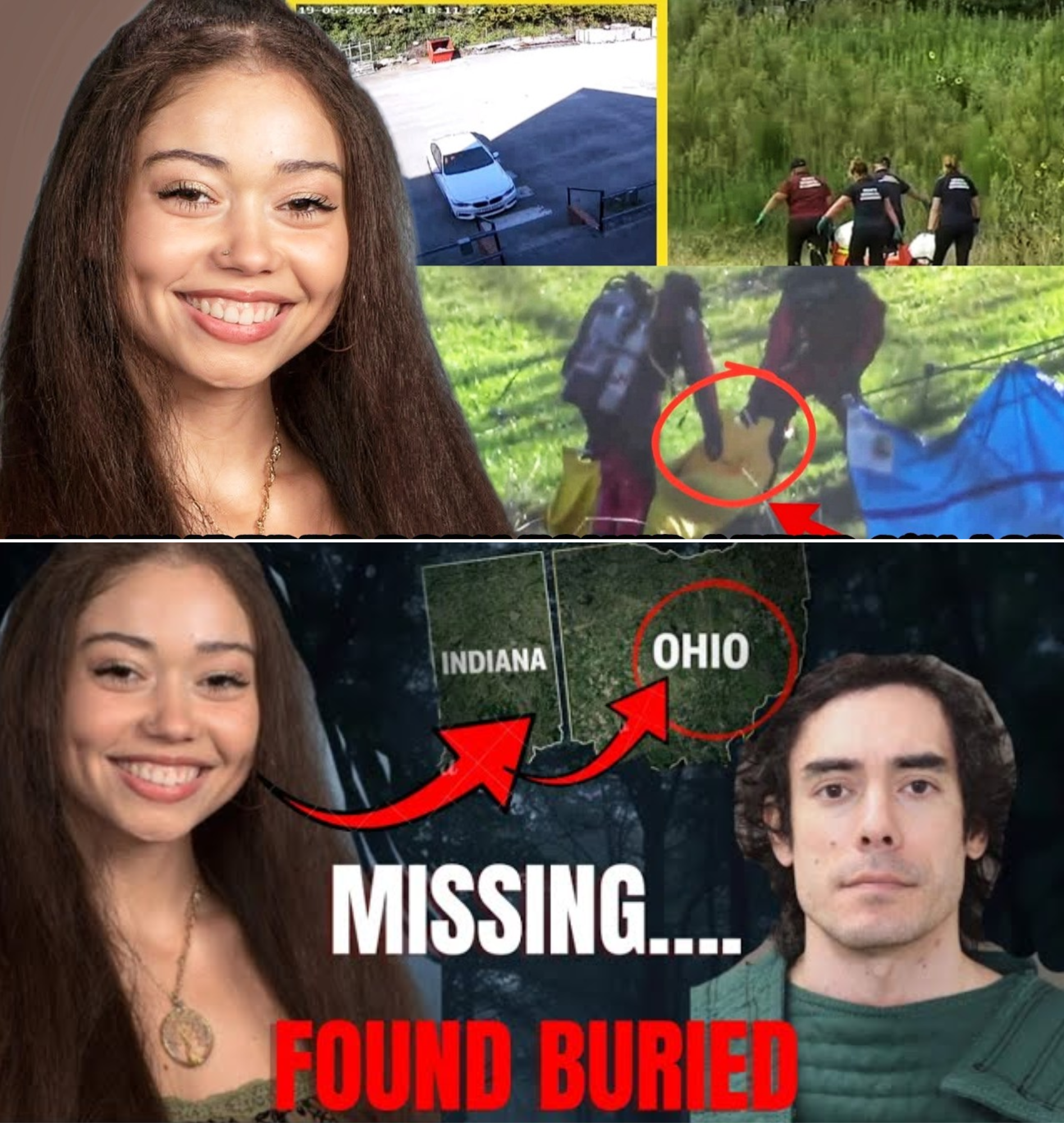
A 17-year-old high school student from Fishers, Indiana, vanished without a trace on January 5, 2026, after walking out her front door to meet someone she had connected with through online gaming communities. What began as a seemingly innocent plan to meet a friend quickly spiraled into one of the most horrific true crime cases to emerge in the Midwest this year. Hailey Buzbee’s disappearance exposed alarming vulnerabilities in how law enforcement handles missing teenagers, the dark underbelly of online grooming through gaming platforms, and the devastating consequences when predators exploit digital trust.
Hailey was described by friends and family as bright, kind-hearted, and deeply passionate about video games. She spent much of her free time on platforms like Discord and Steam, where she built friendships and joined communities centered around her favorite titles. It was in one of these spaces that she first began communicating with a man who went by the username associated with Tyler Thomas, a 39-year-old resident of Columbus, Ohio. Over weeks and then months, their conversations shifted from casual gaming banter to personal topics. Thomas allegedly presented himself as understanding, supportive, and far closer in age and maturity than he actually was, slowly building emotional dependence.
On the evening of January 5, Hailey told her family she was stepping out briefly. Surveillance footage later confirmed she left willingly, carrying a small bag. She never returned. Her parents reported her missing within hours, but because she had left voluntarily and there was no immediate evidence of abduction, authorities initially classified her as a runaway. No Amber Alert was issued—a decision that would later draw intense scrutiny and fuel the family’s advocacy efforts.
For nearly three weeks, investigators worked to piece together Hailey’s digital trail. Thomas was quickly identified as a person of interest after phone records and chat logs surfaced showing extensive communication between the two. When questioned, he claimed he had picked Hailey up near her home, spent time with her briefly, and then dropped her off on the side of a road in Ohio. He insisted she wanted to run away and start a new life. Detectives, however, grew suspicious as inconsistencies mounted.
The breakthrough came in early February when, under mounting pressure from federal agents and after a search warrant uncovered disturbing evidence on his devices, Thomas changed his story. He confessed to law enforcement that he had taken Hailey to his residence in Columbus, where explicit videos were recorded. Forensic analysis later recovered cached photos and deleted files showing sexual encounters. Investigators believe the killing occurred at a separate rental property in Hocking County, Ohio, where trace evidence—including blood and other biological material—was discovered.
Thomas then admitted to dismembering Hailey’s body and transporting the remains to Wayne National Forest in Perry County, where he buried them in a shallow grave. On February 1, he led FBI agents and local deputies directly to the site. Recovery teams worked meticulously to retrieve what remained of the teenager, confirming her identity through dental records and DNA.
Tyler Thomas currently sits in jail on a $1.5 million bond, facing initial felony charges of pandering sexually oriented matter involving a minor and tampering with evidence. Prosecutors in Hocking County have signaled that murder charges are imminent, potentially including aggravating factors that could make the death penalty a possibility in Ohio. The case spans multiple jurisdictions—Indiana for the disappearance, Ohio for the alleged crimes and burial—making it a complex, multi-state FBI investigation.
The failure to issue an Amber Alert has become a central point of outrage. Under current Indiana guidelines, Amber Alerts are reserved for confirmed abductions involving strangers or imminent danger, not voluntary departures. Hailey’s case fell into a gray area: she left on her own accord, influenced by months of grooming, but without overt force. By the time her status was upgraded to endangered missing, she had already been dead for approximately two weeks.
Her devastated family, led by her father, has channeled their grief into action. They are pushing for “Hailey’s Law,” proposed legislation that would introduce a new “Pink Alert” system in Indiana. Unlike Amber Alerts, Pink Alerts would activate for cases involving credible grooming risks, runaways with known predatory contacts, or vulnerable teens who disappear under suspicious online circumstances. The proposed law would also mandate school-based education programs about online grooming tactics, predator red flags on gaming platforms, and parental monitoring tools.
Public reaction has been swift and emotional. Social media threads explode with parents sharing stories of their own children’s risky online interactions, while others demand stricter moderation on Discord, Steam, and similar apps. Gaming companies face renewed pressure to implement age-verification, better reporting mechanisms, and AI-driven detection of predatory behavior. Comment sections under coverage of the case overflow with calls for harsh punishment, with many arguing Thomas deserves life without parole—or worse.
This tragedy underscores a broader crisis: the ease with which adults can target minors in digital spaces designed for entertainment. Predators exploit shared interests, anonymity, and the natural desire for connection among teenagers. Hailey Buzbee’s story is not isolated; similar grooming-to-murder cases have surfaced in recent years across the country, each prompting temporary outrage but rarely lasting systemic change.
As the legal proceedings advance, with a key court hearing scheduled for mid-February, the focus remains on justice for Hailey and prevention for others. Her family continues to speak publicly, sharing memories of her laughter, her love for art and music, and her trusting nature—the very qualities that made her vulnerable. They refuse to let her death become just another statistic.
The case of Hailey Buzbee forces society to confront uncomfortable truths: online safety is everyone’s responsibility, alert systems must evolve to match modern threats, and predators will always seek new ways to exploit trust. Until those changes arrive, families like hers will keep fighting—so no other parent has to endure the unimaginable pain of losing a child to digital deception turned deadly.