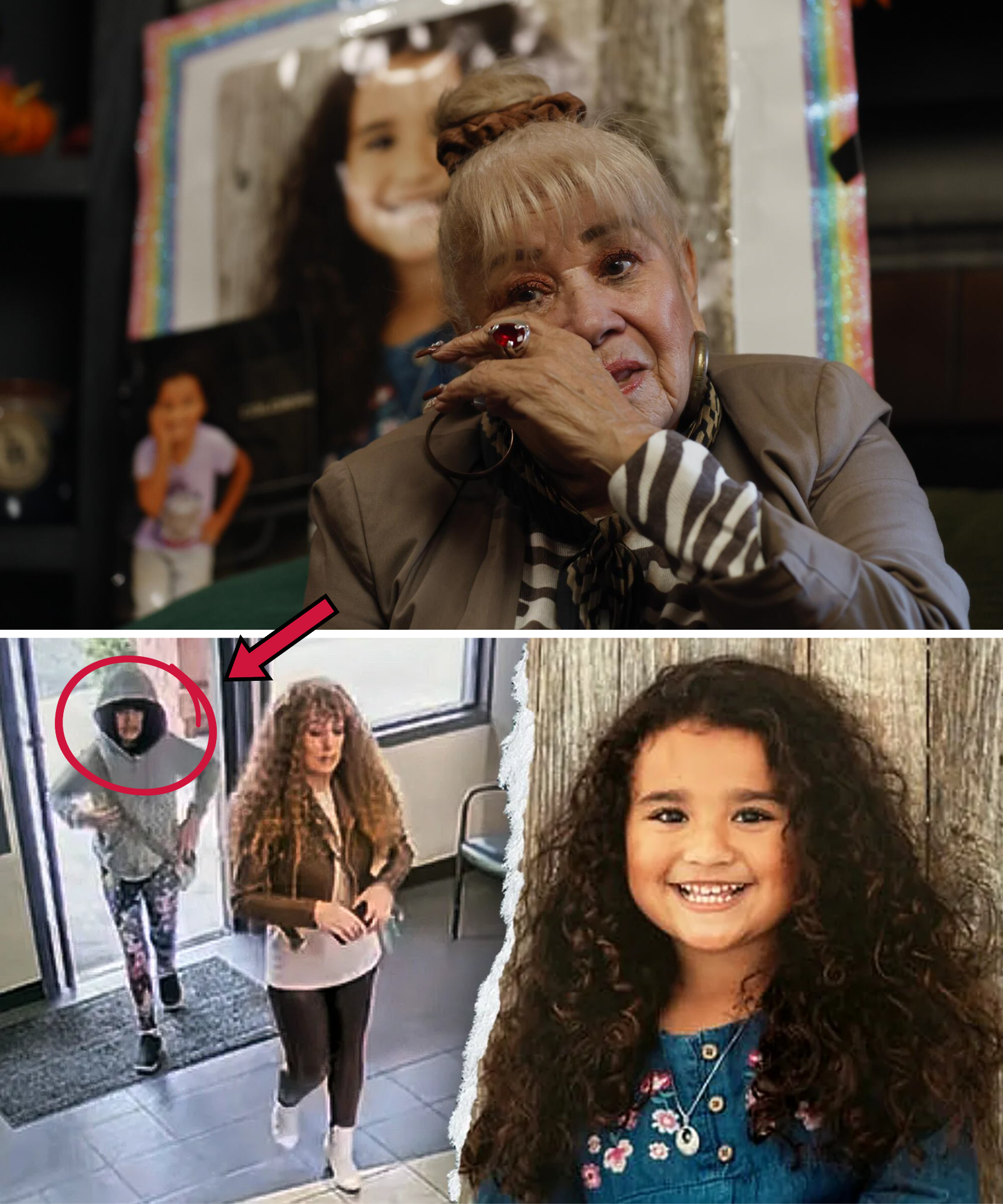
In a devastating update to the case of 9-year-old Melodee Buzzard, whose decomposed remains were found in a remote Utah desert, her paternal grandmother has come forward with alarming details about the girl’s mother, Ashlee Buzzard. Lilly Denes, Melodee’s grandmother, revealed that Ashlee had been actively working to isolate her daughter from family, friends, and the outside world in the months leading up to the child’s disappearance. This isolation, Denes claims, was part of a broader pattern of erratic behavior that culminated in the tragic events of October 2025.
Melodee vanished during a road trip with her mother from Santa Barbara County, California, sparking a nationwide search that gripped communities for weeks. Authorities now believe Ashlee, 40, murdered her daughter around October 9, shortly after they set out in a rented white Chevrolet Malibu. The girl’s body, discovered near Cainville in Wayne County, Utah, showed multiple gunshot wounds to the head, indicating a cold-blooded act. Ashlee was arrested on December 23 at her California home on first-degree murder charges, just as forensic experts confirmed the identity of the remains.
Denes, who had been in the process of adopting Melodee due to concerns over Ashlee’s parenting, described how her granddaughter was systematically cut off from loved ones. “She wanted to sever all ties,” Denes said, explaining that Ashlee restricted phone calls, visits, and even school interactions, effectively isolating Melodee from “the entire world.” This revelation adds a layer of premeditation to the case, suggesting the road trip may have been a deliberate ploy to remove the child from any support network. Family members noted Ashlee’s deteriorating mental health, including prior incidents that raised red flags. For instance, just weeks before the disappearance, Ashlee faced unrelated charges for allegedly holding a man captive in her home with a box cutter, highlighting her unstable state.
The investigation uncovered a timeline of deception. Ashlee initially claimed she and Melodee were heading east for a fresh start, but inconsistencies in her story—such as vague travel details and a lack of communication—prompted suspicion. Surveillance footage and cell phone data traced their path through rural areas, but Ashlee returned alone, offering evasive explanations. The FBI’s involvement escalated the search, with volunteers combing vast desert terrains until the heartbreaking discovery.
This case exposes the hidden dangers within families, where isolation can precede violence. Child protection advocates stress the importance of recognizing signs like sudden withdrawal from social circles, which Denes had observed but felt powerless to stop amid ongoing custody battles. Melodee’s father, estranged from Ashlee, has shared his anguish, portraying his daughter as a vibrant child with a passion for art and nature. Community vigils in California and Utah have drawn hundreds, demanding stricter oversight in custody disputes.
As Ashlee awaits trial, facing potential life imprisonment, questions linger about her motives. Was the isolation a precursor to the murder, or part of a larger unraveling? Prosecutors are building a case around forensic evidence and witness testimonies, including Denes’s account. The tragedy has sparked calls for better mental health resources for parents and enhanced child welfare protocols. Melodee’s story, though ended far too soon, underscores the urgent need to listen to family concerns before it’s too late. In a world where parental bonds should protect, this betrayal serves as a grim warning.