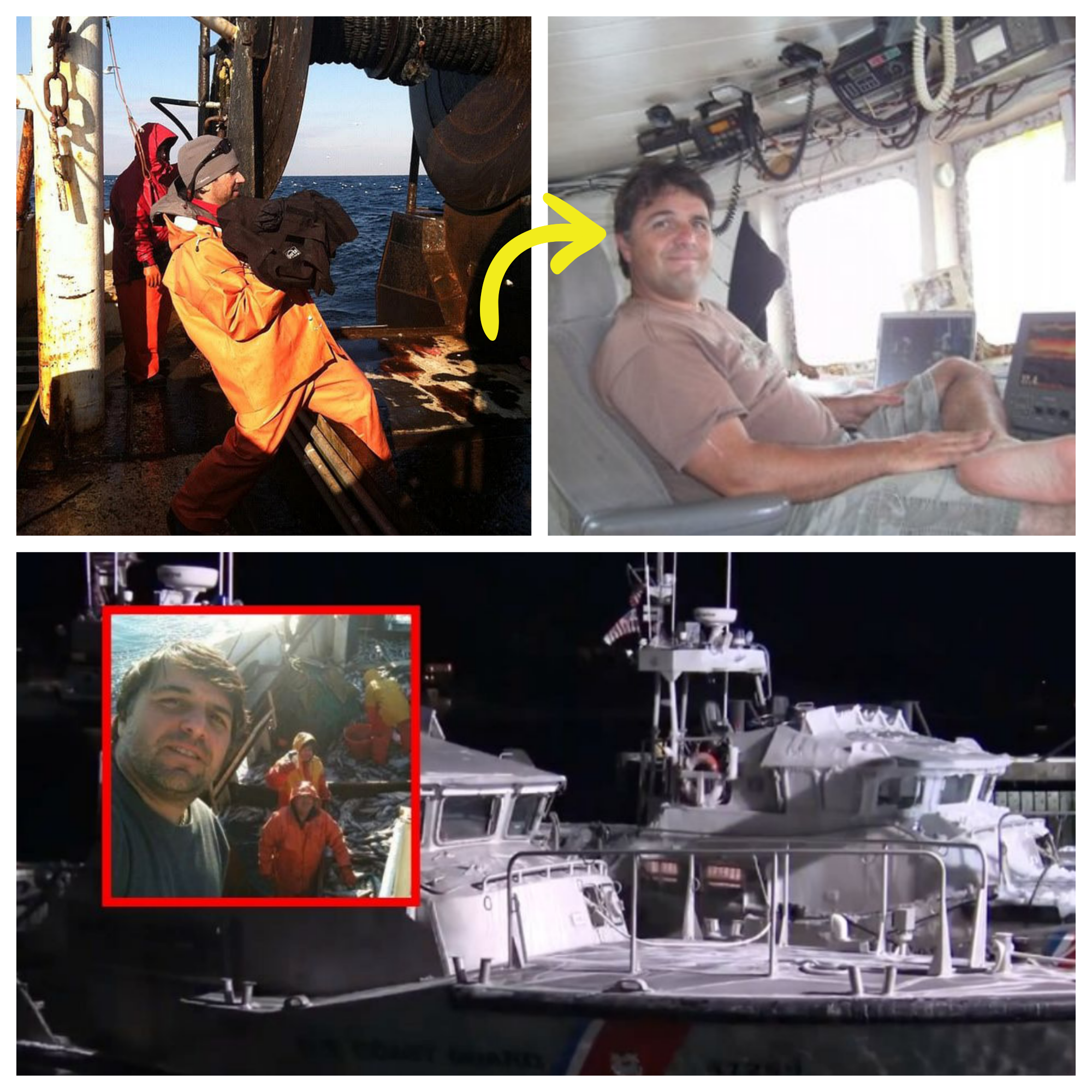
The unforgiving Atlantic claimed seven lives in late January 2026 when the commercial fishing vessel Lily Jean suddenly disappeared off the coast of Gloucester, Massachusetts—one of America’s oldest and most storied fishing ports. Captain Accursio “Gus” Sanfilippo, a 55-year-old fifth-generation fisherman whose rugged life was once captured on national television, was at the helm of the 72-foot boat along with six others: Paul Beal Sr. and his son Paul Beal Jr., John Paul Rousanidis, Freeman Short, Sean Therrien, and 22-year-old federal fisheries observer Jada Samitt from Virginia. What began as a routine return to port to repair gear ended in one of the deadliest maritime incidents in recent memory for the tight-knit Gloucester community.
The tragedy unfolded in the early hours of Friday, January 30, 2026, approximately 25 miles offshore in the Georges Bank area. Temperatures had plunged to around 12 degrees Fahrenheit, with wind chills making conditions even more brutal. The U.S. Coast Guard received an emergency beacon alert from the Lily Jean shortly before 7 a.m., but there was no distress call, no radio transmission—nothing to indicate the crew knew disaster was imminent. Rescue teams scrambled, deploying helicopters and cutters to the scene, where they discovered a scattered debris field, an empty life raft, and one body floating in the water. That individual was later confirmed by the Massachusetts Chief Medical Examiner’s office as Captain Sanfilippo himself. The search covered over 1,000 square miles but yielded no further survivors or remains. By Saturday, officials suspended operations, presuming the remaining six crew members lost to the freezing waters, where survival time without immersion suits is measured in minutes.
Sanfilippo was no stranger to danger. He and the Lily Jean crew had been featured in a 2012 episode of the History Channel series “Nor’Easter Men,” which documented the grueling reality of commercial fishing in New England’s harsh winters. Viewers saw the men enduring 10-day trips, battling massive waves, and hauling catches of haddock, lobster, and flounder in conditions that tested even the toughest. Sanfilippo was portrayed as a skilled, no-nonsense skipper from a long line of Gloucester fishermen, respected for his knowledge of the sea and his willingness to mentor younger deckhands. Friends and locals remembered him as generous and calm under pressure—one even said he “taught me everything I know now about fishing.”
What makes this loss particularly haunting are the details of Sanfilippo’s final known communication. Just hours before the sinking—around 3 a.m.—he spoke by phone with fellow fisherman and longtime friend Captain Sebastian Noto. In what now feels eerily prophetic, Sanfilippo complained about the extreme cold freezing the boat’s air holes and vents, making work miserable. “I quit. It’s too cold,” he reportedly said, half-joking in his characteristic laid-back manner. The conversation was routine, nothing alarming. Noto later shared that Sanfilippo sounded calm, not panicked—simply fed up with the weather. That was the last anyone heard from him or the crew. The sudden silence afterward suggests a rapid, catastrophic event: perhaps a rogue wave, heavy icing causing instability, or a sudden capsize that left no time for life jackets, EPIRBs activation beyond the beacon, or even a mayday.
Gloucester has mourned fishermen for over 400 years, with thousands of names etched on memorials for those lost to storms, sinkings, and the sea’s indifference. This incident echoes the perils chronicled in Sebastian Junger’s “The Perfect Storm,” another Gloucester tragedy. Yet the Lily Jean case stands out for its lack of warning—no storm of historic proportions, just routine winter fishing turned deadly. The father-son duo of Paul Beal Sr. and Jr. added a layer of personal devastation; families now grieve multiple generations at once. Jada Samitt, on what was likely her first assignment as a NOAA observer, represented the next generation of those monitoring sustainable fisheries—her youth amplifying the senselessness.
The Coast Guard has launched a formal investigation into the cause, examining everything from weather data and vessel maintenance to possible icing or stability issues common in cold-water commercial boats. Early speculation points to rapid capsizing due to ice buildup or a freak wave, but answers may take months. Meanwhile, the Gloucester fishing community rallies: vigils, fundraisers for families, and calls for better safety measures like mandatory immersion suits or improved de-icing protocols.
This loss reminds the world of the invisible heroism behind the seafood on our tables. These men—and one young woman—ventured into the icy Atlantic not for glory, but to feed families and sustain a centuries-old way of life. Their final moments remain shrouded in mystery, but the impact echoes loudly in a town built on the sea. As one local said, “Gloucester will heal, but we’ll carry these names forever.”