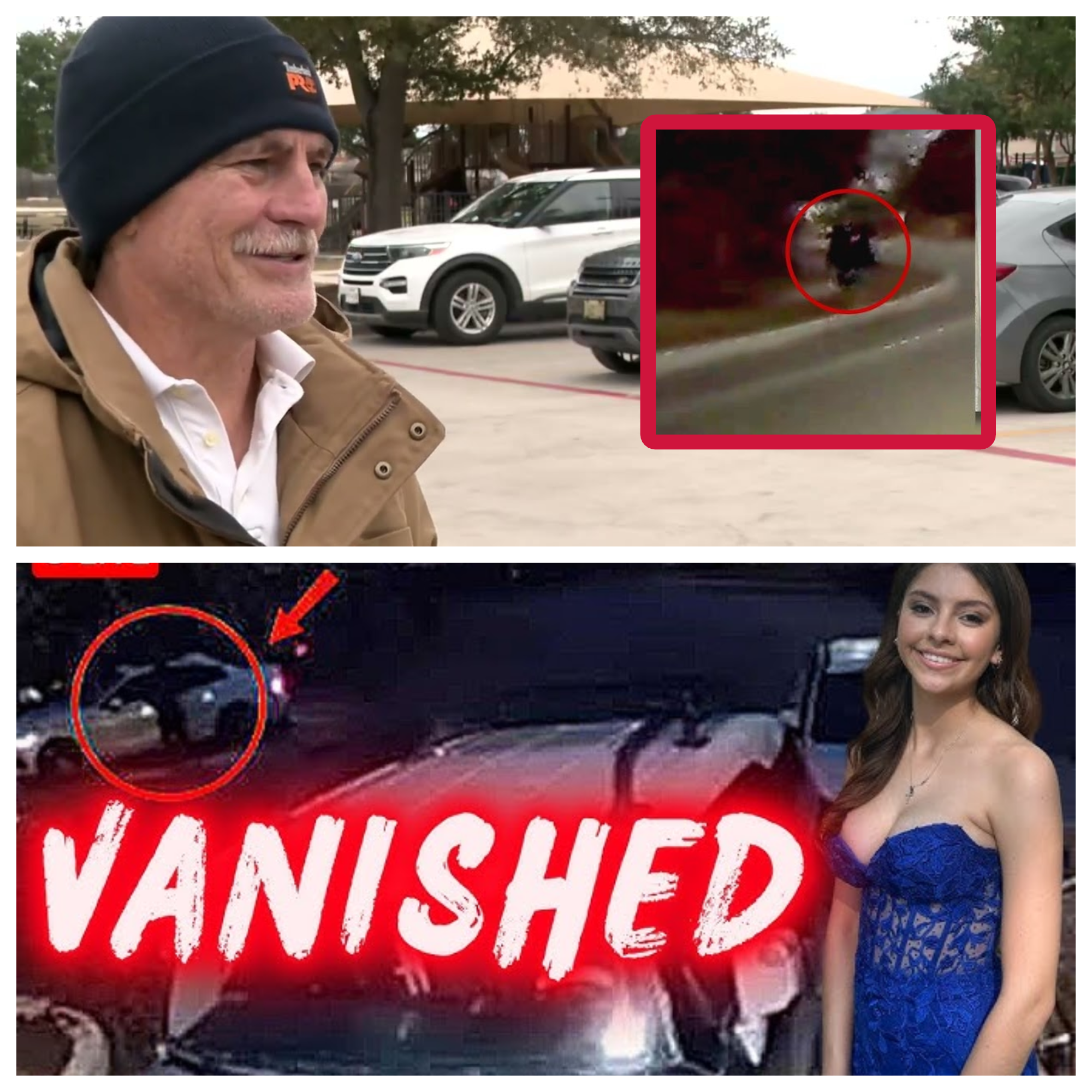
The disappearance of 19-year-old Camila Mendoza Olmos on Christmas Eve 2025 in San Antonio, Texas, took a dramatic turn when her father, Alfonso Mendoza, publicly disputed a key piece of evidence released by authorities. Mendoza, grappling with every parent’s nightmare, asserted that the dashcam footage circulated by the Bexar County Sheriff’s Office did not show his daughter, describing her as a “thin young lady” while noting the figure in the video appeared heavier. His emotional plea—”I love you, Camilla. Come home to daddy”—resonated across the community, amplifying the urgency of the search amid holiday festivities turned somber.
Camila was last seen around 7 a.m. on December 24, leaving her home in the 11000 block of Caspian Spring in northwest Bexar County. Home surveillance captured her checking her parked vehicle before walking away, dressed in a black hoodie, black pants, and black Nike shoes. She stood at 5-foot-2, weighed about 110 pounds, with black hair, brown eyes, and tattoos including a heart on her left hand and a rosary on her right forearm. The disputed dashcam video depicted someone matching this description heading north on Wildhorse Parkway, but Mendoza’s denial raised questions about potential misleads in the investigation.
Behind the mystery lay Camila’s personal challenges: ongoing battles with depression, anxiety exacerbated by school stresses, and the pain of a recent breakup. These issues mirror a growing crisis among young adults in the U.S., where mental health concerns have intensified due to factors like social isolation, online pressures, and economic uncertainties. In Texas, particularly in areas like Bexar County, access to mental health services can be inconsistent, with hotlines and counseling centers overwhelmed despite serving thousands annually. Family members, aware of her vulnerabilities and past thoughts of self-harm, urged vigilance, emphasizing how subtle signs like withdrawal or mood shifts can signal deeper distress.
The search mobilized quickly, with the Sheriff’s Office deploying drones, K-9 units, and volunteers from groups like Texas EquuSearch. The FBI provided support, and tips poured in as the case gained media attention. Despite exhaustive efforts covering trails, fields, and neighborhoods, early searches yielded no breakthroughs. Then, on December 30, 2025, a body was discovered in dense grass near FM 1560, adjacent to the Burning Bush Landscaping Company—shockingly just 250 yards from Camila’s home. Clothing matched her last outfit, and a firearm, missing from a family member, was found at the scene. The Bexar County Medical Examiner’s Office confirmed her identity and ruled the death a suicide via self-inflicted gunshot wound.
San Antonio, a city rich in cultural ties and community spirit, was left reeling. Neighbors expressed heartbreak, recalling Camila as kind and unassuming. Her father’s steadfast hope, even in doubt, highlighted the human element in such tragedies. Mental health experts advocate for proactive measures: fostering open conversations, recognizing warning signs like persistent sadness or behavioral changes, and utilizing resources such as national crisis lines available 24/7. In suburban Texas, where stigma persists, stories like this push for expanded programs, including school-based support and community workshops.
As January 2026 unfolds, Camila’s case serves as a poignant reminder of life’s fragility. While her father’s challenge to the video couldn’t alter the tragic end, it underscores the need for thorough investigations and empathy. The community honors her through vigils and awareness efforts, transforming grief into advocacy for better mental health initiatives. In remembering Camila, society is called to bridge gaps in support, ensuring no one faces their demons alone.