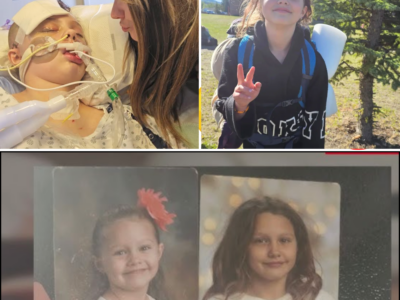
Bradley Smith’s 2023 DUI conviction marked a significant disruption in the long-running custody arrangement for his daughter Addi Smith, creating a roughly one-year period where he was unable to provide direct care. Public court records confirm the DUI as part of Smith’s separate legal history, which also included traffic violations, child support liens dating back to 2015 and renewed in 2024, and a dismissed trespassing charge from 2013. While the DUI itself did not directly appear in the family court filings related to custody modifications, its practical consequences—such as potential license suspension, probation requirements, or related restrictions—limited Smith’s ability to fulfill parenting responsibilities during that time.
This gap in care coincided with ongoing tensions between Smith and his ex-wife, Tawnia McGeehan, who had been locked in a contentious nine-year dispute since their 2015 divorce proceedings. Strict protocols governed their interactions: exchanges occurred at neutral sites like schools or police stations, with mandatory distance between vehicles and explicit bans on recording the child. The DUI’s impact meant Smith could not maintain his usual involvement, shifting more time with Addi toward McGeehan and intensifying perceptions of imbalance in the co-parenting dynamic.
McGeehan reportedly attributed the prolonged absence not solely to the DUI but to deliberate interference by Smith’s new wife, the stepmother. According to accounts from those close to McGeehan, she believed the stepmother influenced or exacerbated the situation—perhaps by advising on legal steps, amplifying consequences, or otherwise contributing to decisions that extended Smith’s inability to parent. This suspicion triggered heated arguments, blending accusations of sabotage with the existing mistrust that characterized their exchanges. Though these claims of interference did not materialize as formal court allegations in public documents, they allegedly played out in private communications, escalating conflicts and deepening the divide between the households.
The broader custody timeline reveals why such interpretations gained traction. Following the 2017 divorce decree, McGeehan initially held primary physical custody, with Smith granted parent-time and joint legal rights. A major shift occurred in December 2020 when a judge temporarily awarded Smith sole physical custody, citing McGeehan’s behaviors approaching parental alienation and an instance of domestic abuse in Addi’s presence. Supervised visitation was imposed on McGeehan, who bore the costs of third-party monitoring. These changes bred resentment, with each parent viewing the other’s conduct as manipulative.
The DUI period overlapped with efforts to navigate these restrictions. Smith’s legal obligations may have restricted mobility or availability, complicating his role even as he sought to regain stability. McGeehan’s view—that the stepmother actively meddled to prolong this disadvantage—fueled confrontations that reportedly grew more intense, ranging from accusatory messages to indirect references in filings or discussions. Supporters of McGeehan described her as feeling targeted, where a personal failing was allegedly weaponized through external influence to undermine her position in the ongoing battle.
By May 2024, a negotiated agreement restored joint legal and physical custody on a week-on, week-off basis, signaling a potential de-escalation. Addi, an energetic participant in Utah Xtreme Cheer, enjoyed involvement from both sides during this phase. McGeehan dedicated herself to Addi’s cheer world—attending events, supporting the team, and sharing joyful moments—while Smith worked to overcome prior setbacks.
Tragically, stability proved fleeting. In February 2026, during a cheer competition trip to Las Vegas, Tawnia McGeehan and 11-year-old Addi were discovered deceased in their Rio Hotel & Casino room. Authorities determined McGeehan had fatally shot Addi before taking her own life, ruling her death a suicide. A note was found, though details remain private. The cheer community mourned deeply, with teammates recalling Addi’s vibrant spirit and fearless approach to routines.
The incident prompted scrutiny of how accumulated pressures—from legal entanglements to perceived betrayals—could culminate in catastrophe. The DUI, while a consequence of Smith’s actions, became a flashpoint when viewed through the lens of interference suspicions. Experts in family law note that in high-conflict cases, external events like criminal convictions can be reframed as intentional harm by opposing parties, perpetuating cycles of blame and hostility. Without robust mediation, such perceptions erode trust further, turning co-parenting into adversarial warfare.
The stepmother’s public actions were limited, though she expressed urgency on social media during the missing persons phase before the discovery, reflecting shared concern across fractured family lines. McGeehan’s history included multiple misdemeanor charges for custodial interference or electronic harassment between 2017 and 2020 (some dismissed), alongside the 2020 domestic abuse finding, yet the 2024 order deemed both parents fit for joint custody.
This case highlights vulnerabilities in prolonged disputes: safeguards like no-recording rules and neutral exchanges aim to protect children, but suspicions of meddling—whether real or perceived—can override them. Mental health professionals emphasize that unresolved resentment, especially when tied to events like a DUI compounded by alleged sabotage, heightens risks of emotional breakdown. Calls grow for mandatory therapy, stricter digital harassment monitoring, and child-focused interventions to shorten conflicts.
Addi deserved a life insulated from these storms. Her cheer achievements showcased a joyful, dedicated girl whose smiles lit up the mat. McGeehan, despite documented struggles, demonstrated commitment in recent years through active participation in Addi’s activities. Smith’s perseverance through his challenges, including the DUI-imposed limitations, underscored his investment in fatherhood.
Reflecting on the DUI’s role—coupled with McGeehan’s belief in stepmother interference—reveals how one incident can ripple into lasting discord. Families navigating similar terrain benefit from neutral tools: structured communication platforms, counseling emphasizing accountability over accusation, and judicial focus on rehabilitation where child safety permits.
The cheer community honors Addi through memorials and support initiatives, preserving her legacy amid grief. The tragedy urges reevaluation: how do personal failings and suspected interferences strain co-parenting to breaking points, and what measures could avert such irreversible loss? Children should never shoulder the fallout of adult grievances, and systems must prioritize prevention over reaction when warning signs emerge.