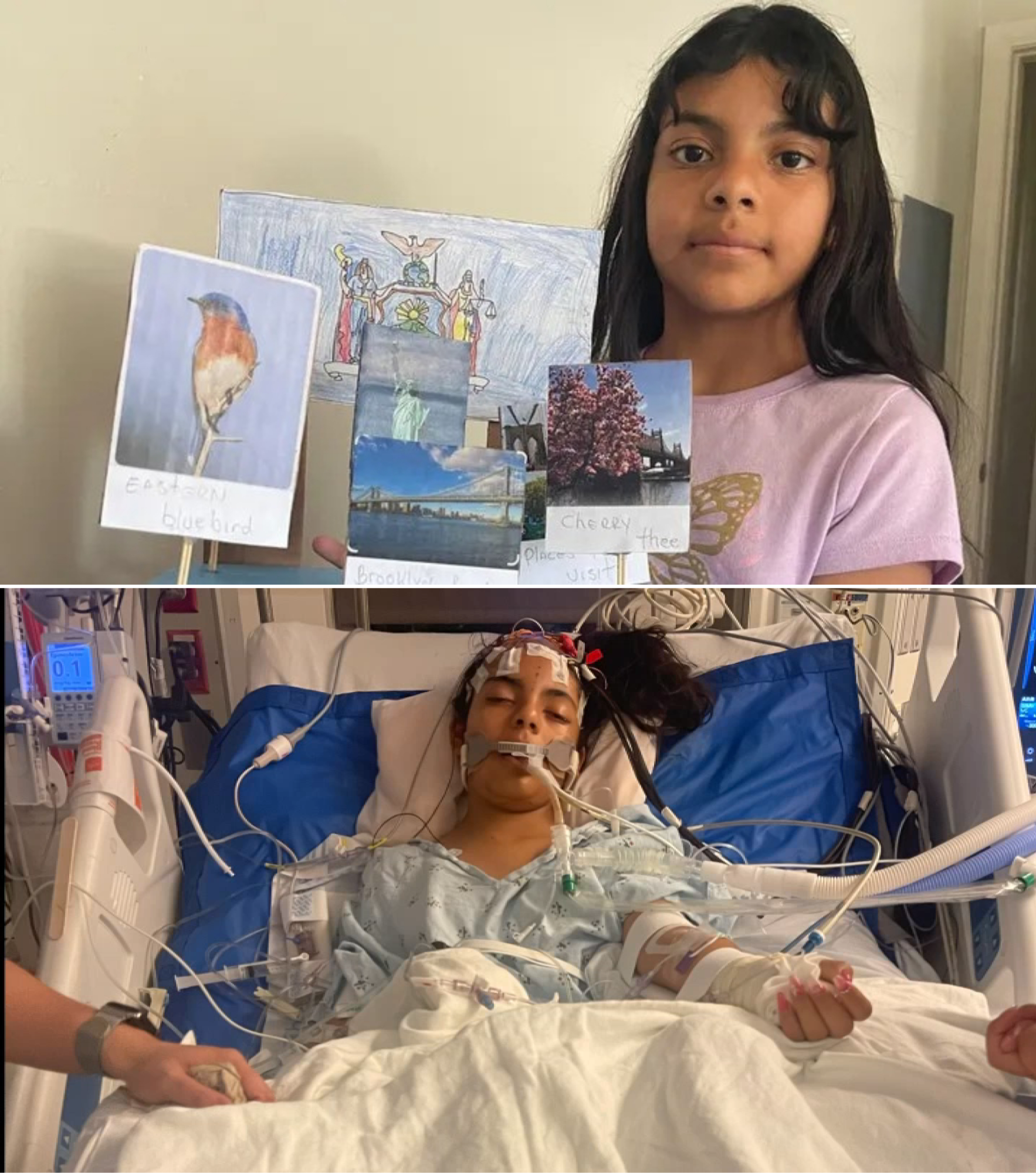
A routine school day in Reseda turned tragic when 12-year-old Khimberly Zavaleta Chuquipa was allegedly struck in the head with a metal water bottle during an altercation involving bullying. What began as a hallway confrontation escalated into a medical emergency days later, culminating in her death on February 25, 2026, after brain surgery. The Los Angeles Police Department has now opened a homicide investigation, examining whether the assault directly caused the fatal brain injury that claimed her young life.
Khimberly, a sixth-grader at a middle school on the Reseda High School campus, reportedly intervened to protect her sister from harassment. Family members told local outlets that another student hurled the heavy bottle, striking her in the head. She initially seemed okay but soon developed severe headaches. Rushed to the hospital, doctors discovered critical brain trauma requiring emergency surgery. Despite efforts, she passed away early Wednesday morning. Her mother shared the devastating news, describing a vibrant girl full of life whose future was stolen in an instant.
LAPD detectives are treating the case as a potential homicide, focusing on causation. Authorities have not yet confirmed a direct link between the throw and her death, but the investigation includes witness interviews, medical records review, and forensic analysis of the injury. The metal water bottle—described as a common insulated tumbler—can cause significant blunt force trauma when thrown with force, especially to a child’s head. Medical experts note that delayed symptoms like swelling or hemorrhage often follow such impacts, turning seemingly minor incidents deadly.
The incident highlights escalating concerns over school violence and bullying. Reseda, a diverse San Fernando Valley neighborhood, has seen community outcry after flowers and candles appeared outside the school in tribute. Parents and advocates demand stronger anti-bullying measures, zero-tolerance policies for weapons-like objects, and better conflict resolution training. School officials issued a brief statement expressing condolences and cooperation with police, but details on disciplinary actions remain limited pending the ongoing probe.
Khimberly’s family paints a picture of a kind, protective child who loved her siblings and dreamed big. Her mother emphasized the heartbreak of losing a daughter who stepped up for others, only to pay the ultimate price. Community vigils have drawn dozens, with calls for justice and reform. One relative told reporters this should serve as a warning: “This could happen to any kid. We need to stop it before more families suffer.”
LAPD’s approach reflects caution in high-profile youth cases. Homicide classification allows thorough investigation, including potential charges like involuntary manslaughter or assault leading to death if evidence supports causation. No arrests have been announced, and the alleged thrower—another student—has not been publicly identified due to juvenile protections. Detectives continue gathering statements and surveillance footage from the hallway.
The case resonates amid broader statistics on school bullying. Reports show thousands of incidents annually in California alone, with physical assaults rising post-pandemic. Metal water bottles, once innocuous hydration tools, now feature in assaults due to their weight and durability. Advocacy groups urge schools to ban such items in hallways or treat them as potential weapons when misused.
Public reaction has been swift and emotional. Social media floods with tributes, hashtags like #JusticeForKhimberly trending locally. Parents share stories of their own children’s bullying experiences, demanding accountability. School safety experts call for immediate interventions: mandatory counseling, peer mediation programs, and parent education on recognizing signs of harassment.
For Khimberly’s loved ones, grief mixes with anger. They question why the altercation wasn’t stopped sooner and whether school staff could have intervened. The family’s attorney has urged a full probe into any negligence, while emphasizing the need for systemic change to protect vulnerable students.
As detectives piece together timelines and medical evidence, the community holds vigils and shares memories of a girl described as bright and caring. Her death underscores a painful reality: what seems like a minor school scuffle can end in irreversible loss. The homicide label elevates the stakes, ensuring no detail is overlooked in seeking answers.
Khimberly’s story joins a tragic list of youth lost to violence that should never reach lethal levels. Her family’s pain fuels calls for prevention—better supervision, stricter rules on objects that can harm, and cultures where bullying faces swift consequences. Until those changes arrive, a young life cut short serves as a stark reminder of how quickly cruelty can turn fatal.
The investigation continues, with LAPD appealing for witnesses. Every detail matters in determining accountability and preventing future tragedies. For now, Reseda mourns a child whose courage in standing up for family became her final act, leaving a void no justice can fully fill.