Family of James “Weston” Higginbotham Speaks Out Against Official Conclusion, Insisting on Homicide and Naming Potential Suspects.
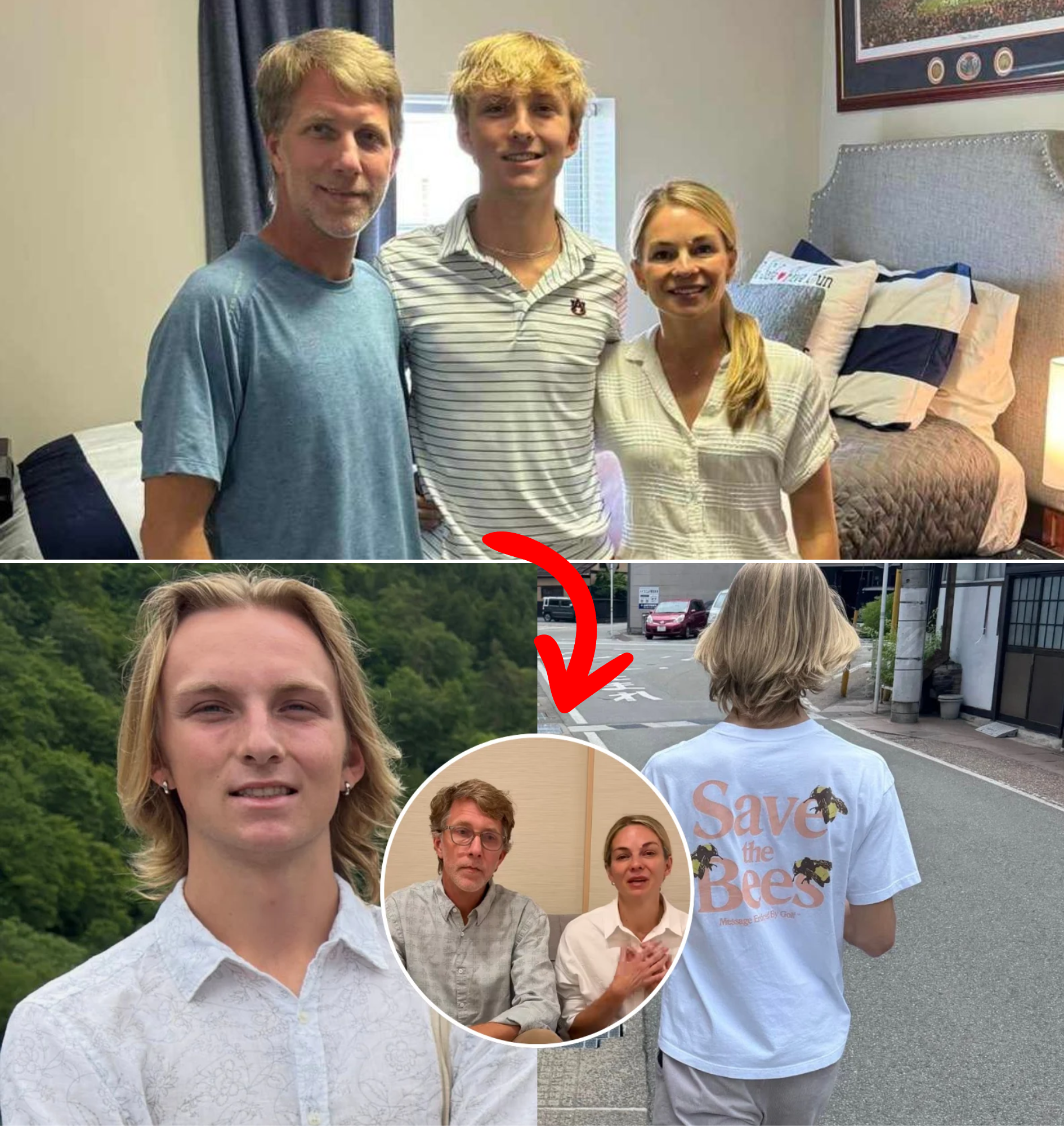
The heartbreaking discovery of 20-year-old James “Weston” Higginbotham’s body in a mountainous area outside Kyoto, Japan, has left his family in unimaginable grief. What was meant to be a celebratory family vacation has turned into a fight for justice, as Weston’s loved ones publicly reject the initial conclusions surrounding his death. They firmly believe their son did not take his own life or meet with an accident, declaring “He would never do that,” and are pointing toward homicide with specific individuals under suspicion.
Weston, a promising junior at Auburn University studying biosystems engineering with a focus on sustainability, disappeared on May 29, 2026, while exploring alone after a family disagreement during their trip in Kyoto. The 20-year-old from Alabama was last seen on surveillance footage near Yamashina Station heading toward wooded areas. After an intense search involving police, volunteers, K-9 units, and helicopters hampered by harsh weather, his body was located by search-and-rescue teams on June 6 in a remote mountainous region.
Japanese authorities have stated that no foul play is suspected at this time, with the cause of death still under investigation and not publicly disclosed. However, Weston’s family, led by his mother Nancy Higginbotham, has pushed back strongly against any narrative of suicide or misadventure. In emotional statements, they emphasize Weston’s loving personality, his bright future, and his character as someone who would never choose to end his life or wander off recklessly without reason. “He would never do that,” the family has repeated, insisting the circumstances point to something far more sinister.
The family’s doubts stem from several red flags they have highlighted. Prior to his disappearance, Weston reportedly purchased items at a hardware store, which initially raised concerns but which they now interpret differently in light of the outcome. They also point to tensions during the family vacation, including a reported disagreement involving his mother’s use of ChatGPT, which led him to step away alone. Family members believe external individuals may have exploited his vulnerability as a young foreigner in an unfamiliar area.
Specific suspects the family has in mind include possible individuals Weston may have encountered in the Kyoto area — ranging from opportunistic locals familiar with the mountainous trails to others connected through travel or online interactions. They urge authorities to thoroughly investigate any recent contacts, people seen in surveillance near the station, and those who might have had motive or opportunity in the remote woods where his body was found. The family is calling for a deeper probe into potential robbery, targeted harm, or foul play disguised as something else.
Weston’s mother Nancy has been vocal throughout the ordeal, initially pleading for his safe return and now demanding transparency. The family expressed profound heartbreak in a Facebook post: “Our family is heartbroken… The grief we feel is impossible to put into words. We are forever grateful for the time we had with our sweet, precious Weston.” Yet they refuse to accept closure without answers, emphasizing Weston’s passion for engineering, sustainability, and his close bond with his younger brother, who was also on the trip celebrating a graduation.
Auburn University and the broader Alabama community have rallied in support, mourning the loss of a valued member of the Auburn Family. Friends describe Weston as kind, ambitious, and full of life — characteristics that make the official narrative difficult for loved ones to reconcile. The family’s fight has sparked wider discussions about the safety of American travelers abroad, especially young students in foreign countries, and the need for thorough investigations when deaths occur under ambiguous circumstances.
This case highlights the challenges of cross-border incidents, where language barriers, jurisdictional differences, and cultural contexts can complicate matters. The Higginbothams are working with U.S. officials and pushing Japanese authorities for more details, including full autopsy results, toxicology, and any evidence from the scene. They believe the remote location and timing raise questions about how Weston ended up there and who else may have been involved.
As the investigation continues, the family’s plea resonates deeply: a young man with everything to live for does not simply vanish and perish without external factors at play. Supporters worldwide have joined calls for justice, sharing Weston’s story and demanding accountability. Memorials and tributes continue to pour in, honoring his potential and the light he brought to those around him.
The tragedy of James “Weston” Higginbotham serves as a painful reminder of how quickly life can change during what should be joyful moments. His family’s unwavering stance — rejecting easy conclusions and fighting for the truth — honors his memory while seeking justice for a son, brother, and student taken too soon. As they navigate this unimaginable loss, their message is clear: Weston would never do that, and the full story must come to light.