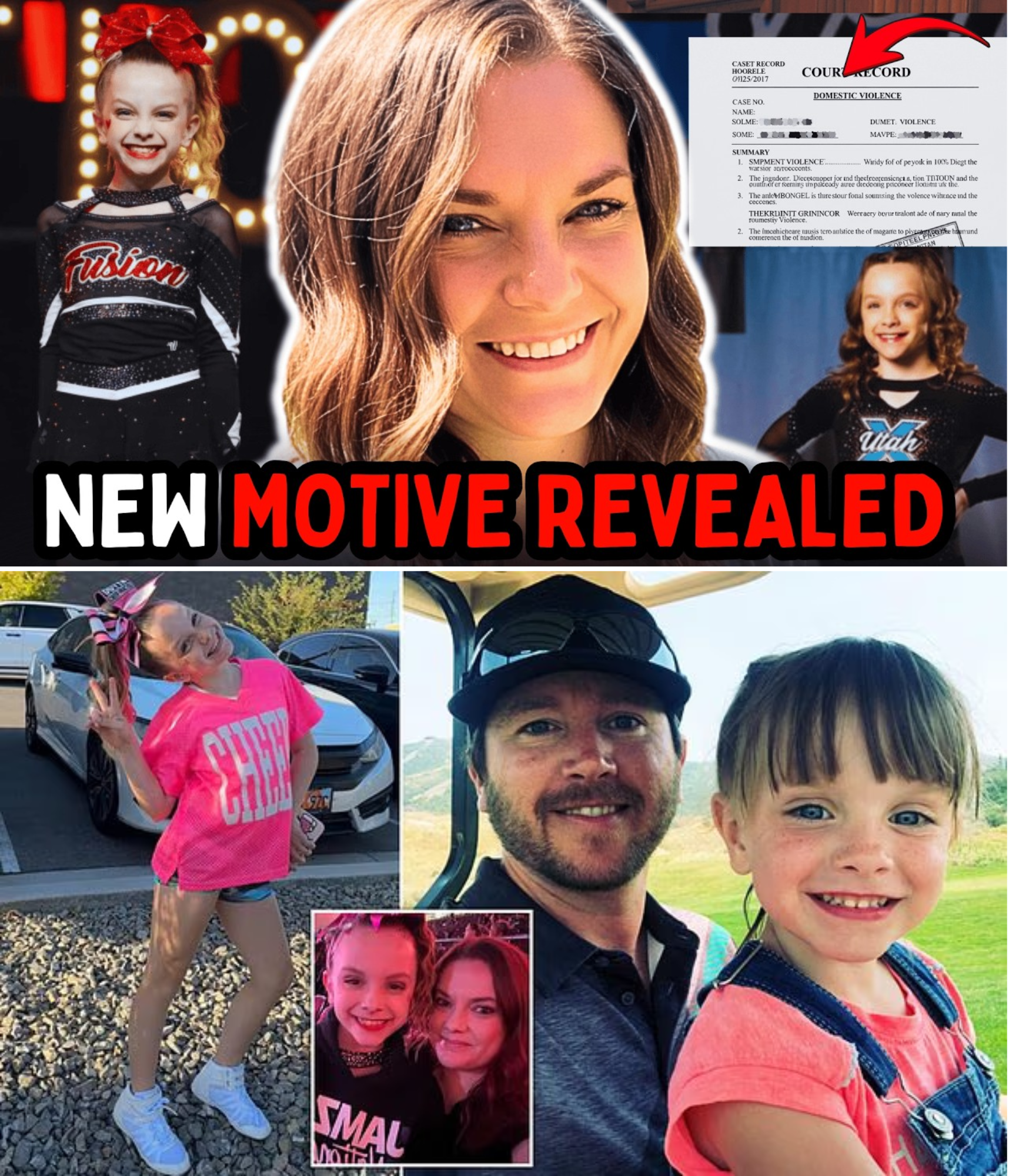
Addilyn “Addi” Smith, an 11-year-old cheerleader from West Jordan, Utah, embodied joy on the mat. As a standout member of the Utah Xtreme Cheer team, she was the “hype man”—the energetic girl who ran to the center, rallied her teammates, and made everyone believe victory was possible. Her blonde hair flew during backflips, her smile lit up practices, and her dedication shone through every routine. In early February 2026, Addi and her mother, Tawnia McGeehan, 38, traveled to Las Vegas for the JAMZ National Cheer Competition at the Rio All-Suite Hotel & Casino. Addi woke early on Valentine’s Day, February 14, practicing flips in their room, excited for the weekend ahead. She had handmade gifts for teammates and bought new clothes, her anticipation palpable.
That joy ended in tragedy. By Sunday morning, February 15, Addi did not appear for her scheduled performance. Teammates and coaches, expecting her energy, grew concerned. When calls and messages went unanswered, the cheer organization alerted authorities. Las Vegas Metropolitan Police conducted a welfare check at the Rio Hotel around 10:45 a.m., receiving no response. They returned around 2:30 p.m. with hotel security and entered the room to discover Addi and Tawnia dead from gunshot wounds. Police Lieutenant Robert Price confirmed Tawnia had shot her daughter late Saturday night before taking her own life. The Clark County Coroner’s Office ruled Addi’s death a homicide and Tawnia’s a suicide. A note found in the room remains sealed, its contents undisclosed.
The Utah cheer community reeled. Tributes flooded social media—photos of Addi mid-stunt, videos of her leading cheers, messages calling her kind, uplifting, and irreplaceable. Utah Xtreme Cheer canceled classes, held moments of silence, and dedicated routines to her memory. Teammates spoke of her as the one who made tough days better, her presence a constant source of motivation. A teammate even started a mental health initiative in Addi’s name, turning grief into advocacy.
Behind the glitter lay a nine-year custody battle that began with the 2015 divorce of Tawnia McGeehan and Brad Smith. Court records from Utah’s 4th District Court reveal extraordinary measures to limit conflict: exchanges at a police station every Monday at 9 a.m., parents parking five spaces apart at school events with Addi walking between vehicles alone, and communication restricted to the Our Family Wizard app for emergencies only. Tawnia initially held primary custody and decision-making authority, but tensions escalated.
In May 2020, a temporary order granted sole physical custody to Brad after the court found Tawnia had committed domestic abuse in Addi’s presence and engaged in conduct on the spectrum of parental alienation. Her parenting time was suspended, replaced by supervised visitation. The ruling cited risks to Addi’s well-being, including custodial interference allegations (dismissed in 2018). This arrangement lasted until May 2024, when a judge reversed course in a final order, declaring both parents “fit and proper,” granting joint legal and physical custody on a week-on, week-off basis, and giving Tawnia presumptive decision-making authority over major aspects of Addi’s life.
Family members later shared that Tawnia struggled with depression but appeared to stabilize after the 2024 resolution. Cheerleading strengthened her bond with Addi, providing structure and shared joy. However, recent weeks brought added strain: reports of harsh messages from one or two other cheer moms blaming Tawnia or Addi for team issues, possibly tied to a routine mishap. These interactions reportedly intensified her distress, though no direct link to the tragedy has been confirmed.
Police closed the case as a murder-suicide with no third-party involvement. No disturbances were reported in the hotel, likely masked by casino noise. Brad Smith, Addi’s father, reportedly urged family to push for the welfare check after failing to reach them, escalating urgency. He has grieved privately, supported by community efforts including GoFundMe campaigns for funerals and mental health resources.
The case ignited debate over family court decisions in high-conflict divorces. Critics argue the 2024 reversal—despite prior findings of abuse and alienation—created a “custody to danger pipeline,” where risky parents regain access without sufficient re-evaluation, mental health assessments, or guardian ad litem oversight. Sealed records limit public understanding of what evidence swayed the judge. Advocates call for mandatory counseling, rigorous risk reassessments, and prioritizing child safety over parental equality in contentious cases.
Addi’s death highlights the silent toll of prolonged litigation on children caught in the crossfire. What began as divorce proceedings evolved into years of restrictions, accusations, and emotional exhaustion for all involved. Addi navigated it with grace, finding escape and purpose in cheer, yet the system’s failure to heed earlier warnings proved fatal.
In the aftermath, vigils at Orleans Arena and dedications at competitions keep Addi’s spirit alive. Her teammates flip and cheer in her honor, refusing to let darkness eclipse her light. The tragedy compels reflection: How can courts better protect vulnerable children? When does “rehabilitation” of a parent endanger the very child they claim to love? Addi’s story is a heartbreaking call for reform—ensuring that warnings are not forgotten, that reversals are evidence-based, and that no child’s excitement for a competition ends in irreversible silence.