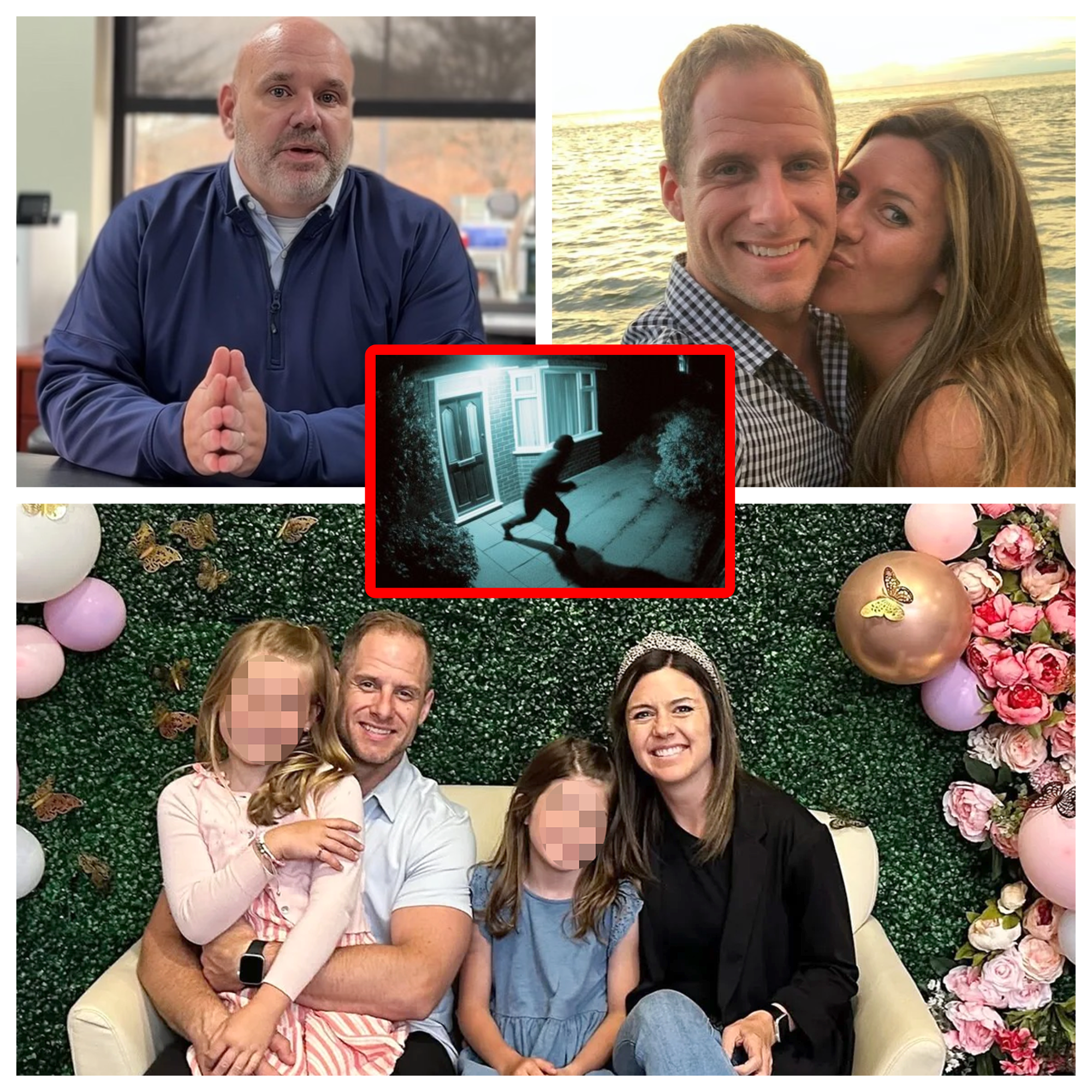
Tipp City Police have reclassified the fatal shooting of 37-year-old Ashley Flynn as a cold-blooded, targeted homicide, with investigators uncovering evidence that the killer stalked her Cunningham Court home for at least two weeks before the deadly ambush early Monday, February 16, 2026. What initially appeared as a burglary gone wrong has evolved into a complex, chilling case that has gripped this quiet Ohio suburb, prompting multi-agency involvement including the FBI and renewed fears among neighbors that the attack was deeply personal.
Officers responded around 2:31 a.m. to reports of a burglary in progress at the Flynn residence. Inside, they found Ashley dead from a single gunshot wound, pronounced at the scene. Her husband and two young children were home but unharmed physically. Tipp City Police Chief Greg Adkins initially described signs of forced entry and a possible robbery attempt, but subsequent updates shifted the narrative dramatically. “This was not random,” Adkins stated in a Tuesday briefing. “Evidence points to a targeted incident at this residence only. There is no ongoing threat to the broader community, but we are treating it as a deliberate act.”
Key to the reclassification: surveillance and forensic review revealed suspicious activity around the Flynn home over the prior fortnight. Neighbors reported seeing an unfamiliar vehicle lingering nearby on multiple occasions, and subtle signs of reconnaissance—disturbed landscaping near windows, footprints in mulch beds inconsistent with family routines, and possible attempts to test security without immediate intrusion. Police have not confirmed whether cameras captured the suspect, but sources indicate enhanced neighborhood canvassing and review of nearby traffic and doorbell footage have yielded potential leads on a person of interest observed in the area repeatedly.
Ashley Flynn was a cherished figure in Tipp City Schools. She served as a substitute teacher and seventh-grade volleyball coach at Tippecanoe Middle School, previously working full-time in the district. Colleagues and the district mourned her as “dedicated, warm, and kind,” someone whose positive impact on students endured long after she transitioned roles. The school community tied blue ribbons in tribute, with students and parents gathering for vigils. Her husband, who was sleeping with the children during the incident—possibly due to recent illness in the household—called 911 after hearing the shot.
The absence of theft or widespread ransacking bolsters the targeted theory. No valuables were reported missing, and the attack focused solely on Ashley. Investigators describe the shooting as precise and execution-style, ruling out a panicked intruder. The lack of struggle evidence suggests she may have been confronted suddenly, perhaps in a hallway or common area. Autopsy results confirmed death by gunshot, with no defensive wounds noted publicly.
The FBI’s involvement, confirmed Tuesday, signals the case’s complexity. Agents are assisting with digital forensics, potential cross-state leads, and behavioral analysis—standard for targeted homicides that may involve motive beyond immediate circumstance. Chief Adkins emphasized the probe’s “many moving parts,” including interviews, financial checks, and examination of Ashley’s personal and professional life for possible grudges or conflicts.
Speculation in the tight-knit community has centered on whether the attack stemmed from a personal dispute, professional issue, or something else. Ashley was active in local sports and church circles, known for her faith and family focus. No public threats or restraining orders surfaced in initial reports, but police continue exploring all angles. The spared family members—husband and two children—add to the puzzle: why target only Ashley while others slept nearby? Some experts suggest this indicates familiarity with the household routine, further supporting pre-planning and surveillance.
Tipp City, a small community north of Dayton with a low crime rate, has been rattled. Neighbors expressed shock that such violence could strike a quiet cul-de-sac. “We always felt safe here,” one resident told local media. “Now people are checking locks twice.” Community response includes increased patrols, neighborhood watch meetings, and support groups for grieving families. Tipp City Schools offered counselors for students and staff, acknowledging the profound loss of a coach who mentored young athletes.
The case highlights vulnerabilities in suburban homes. Signs of stalking—lingering vehicles, odd footprints—often go unreported until tragedy strikes. Authorities urge residents to report suspicious activity promptly and consider security upgrades like motion lights and cameras. Mental health and domestic violence advocates note that targeted attacks sometimes mask deeper interpersonal conflicts, though no evidence currently points to that here.
As the investigation enters its critical early phase, police appeal for tips. A reward may be established if leads stall. The Flynn family has requested privacy amid mourning, with friends coordinating meals and support. Ashley’s legacy endures through the lives she touched—students who remember her encouragement on the court, colleagues who valued her dedication.
This is no ordinary burglary. Evidence of prolonged stalking transforms it into a premeditated ambush, raising questions of motive that may take weeks or months to unravel. For now, Tipp City holds its breath, lighting candles and tying ribbons while detectives chase shadows that watched a family home for two long weeks before striking in the dark.
The quiet suburb may never feel quite the same. A teacher’s life ended in terror, but her memory—and the search for justice—burns bright.