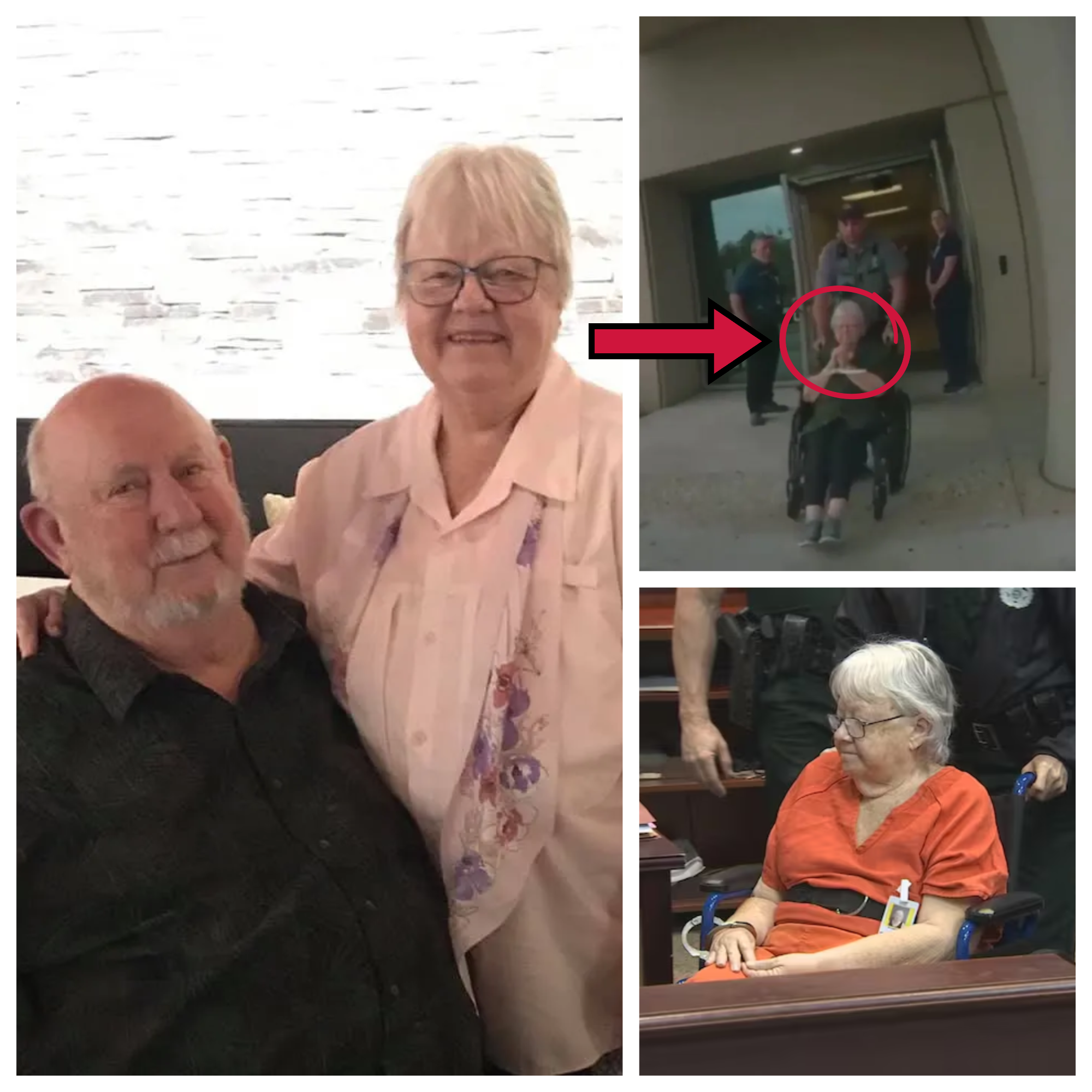
Ellen Gilland, now 79, has broken her silence three years after the January 21, 2023, shooting that ended her husband Jerry Gilland’s life and sparked nationwide debate over mercy killings, assisted suicide, and the limits of compassion in the face of terminal illness. In an exclusive interview with FOX 35 Orlando released recently, the retired Florida woman described the events without remorse, insisting the act was born of love and desperation when medical options ran out for her 77-year-old husband.
Jerry Gilland suffered from a terminal condition that caused severe pain and rapid decline. Hospital records and court testimony detailed his worsening state: painful ulcers, feeding tube dependency, and a prognosis that offered no hope for recovery. Days before the incident at AdventHealth Daytona Beach, Jerry reportedly begged Ellen to help him end his suffering. The couple, married for decades and deeply devoted, discussed methods openly. Jerry directed her to retrieve a firearm from their home in New Smyrna Beach. They formed a pact: she would assist his death, then take her own life.
On that fateful morning, Ellen brought the gun concealed in her belongings. As Jerry lay in his hospital bed, she positioned herself beside him. According to her testimony during the February 2025 sentencing hearing, she placed the weapon behind his ear. “There was a loud bang, and he was gone,” she recounted calmly. Jerry died instantly from the gunshot wound. Ellen then attempted suicide but failed, leading to an hours-long standoff with police who responded to reports of shots fired. She barricaded herself in the room, fired additional rounds—including one at the ceiling—and threatened officers before surrendering peacefully after negotiations.
Police initially charged Ellen with first-degree murder, a capital offense in Florida where assisted suicide remains illegal. The case drew intense scrutiny as a potential mercy killing. Prosecutors later reduced charges following grand jury review, and in December 2024, Ellen entered a no-contest plea to manslaughter with a firearm, three counts of aggravated assault with a deadly weapon (including one against law enforcement), and related offenses. She faced a possible 3-10 year sentence but received 366 days in state prison—credited with time served—and 12 years’ probation upon release in late 2025. The lighter outcome reflected mitigating factors: Jerry’s terminal illness, the consensual pact, Ellen’s age, clean record, and expressions of deep remorse for the trauma caused to hospital staff and first responders, though not for the act itself.
In her recent interview, Ellen expressed acceptance of the consequences while reaffirming her decision. She described feeling cornered by Jerry’s unbearable pain and the absence of legal end-of-life options in Florida. “I really had no other choice,” she told FOX 35, emphasizing their long marriage built on mutual support. Jerry, she said, had made his wishes clear repeatedly, refusing prolonged suffering. Ellen portrayed the act as fulfilling his final request, not an impulsive crime. She remains free now, serving probation with community service requirements, and focuses on rebuilding while advocating quietly for discussions around dignified death.
The incident ignited broader conversations about euthanasia and assisted dying. Florida lacks physician-assisted suicide laws, unlike states such as Oregon, California, and Vermont. Advocates for end-of-life options point to cases like this as evidence of the need for regulated pathways, arguing desperate acts arise from prohibition. Critics, including some religious and medical groups, maintain that life-ending interventions cross ethical lines, risking abuse or coercion. Hospital staff testified to the shock and fear during the standoff, with one officer recalling Ellen’s threat: “She’ll blow my effing brains out.” Yet the defense highlighted Jerry’s agony—ulcers causing constant torment—and Ellen’s role as a caregiver pushed to extremes.
Court proceedings revealed emotional testimony. Ellen took the stand during sentencing, detailing the weeks leading up: Jerry’s pleas after a doctor’s grim update, discussions of alternatives, and her reluctant agreement. Defense attorney Matthew Ferry argued for probation, framing it as an act of mercy rather than malice. Judge Kathryn Weston acknowledged the tragedy but imposed prison time to underscore the seriousness of firearm use in a public facility and assaults on officers. Supporters outside the courthouse held signs advocating for Florida End-of-Life Options, viewing Ellen’s sentence as disproportionate given the context.
Ellen has not wavered in her stance. In post-release reflections, she said she wouldn’t change anything about helping Jerry escape pain, though she regrets the fallout for others involved. The case underscores the personal toll of terminal illness: families torn between love and law, patients enduring prolonged suffering, and society grappling with how to balance autonomy and protection. Jerry’s death, while tragic, highlighted gaps in palliative care and legal frameworks for the dying.
Three years on, Ellen Gilland lives with the consequences—probation, community scrutiny, and enduring grief—but no regrets over sparing her husband further torment. Her story continues to fuel debates on compassion, choice, and criminal justice in end-of-life scenarios, reminding that behind every headline lies profound human suffering and the complex decisions it demands.