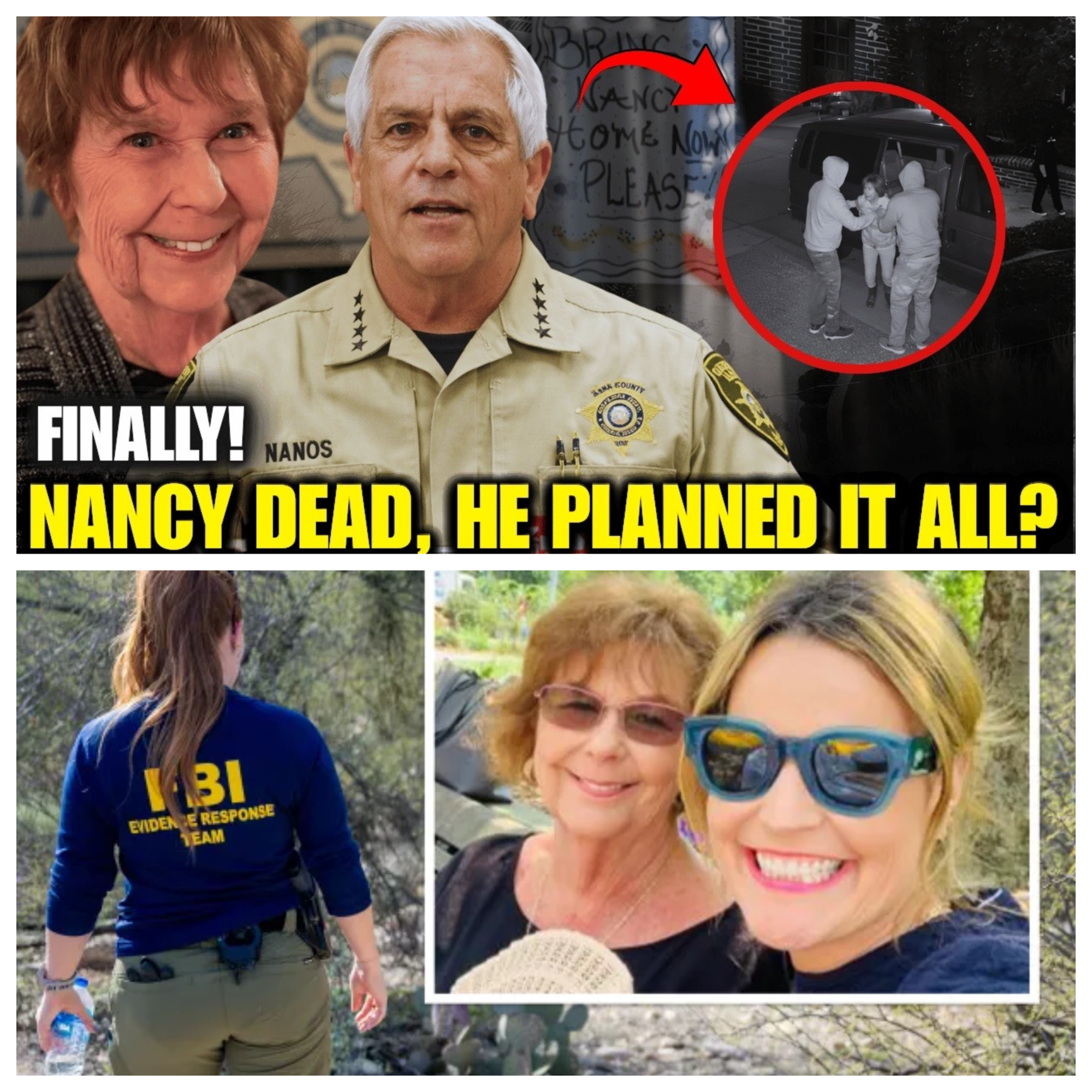
The disappearance of 84-year-old Nancy Guthrie from her Catalina Foothills home near Tucson on February 1, 2026, has become one of the most scrutinized abduction cases in recent memory. As the mother of NBC’s Today co-anchor Savannah Guthrie, her vanishing triggered immediate national attention, amplified by emotional family appeals, a staggering $1 million reward, and chilling doorbell footage of a masked, armed intruder. Yet four weeks later, with Nancy still missing, the investigation faces mounting criticism centered on Pima County Sheriff Chris Nanos and alleged conflicts that may have hindered progress.
The timeline is stark. Nancy was last seen around 9:45 p.m. on January 31 after dinner at her daughter Annie’s home. She failed to appear for a virtual church service the next morning, prompting a welfare check. Authorities quickly classified it as an abduction: bloodstains confirmed as hers at the scene, a tampered doorbell camera, and video showing the suspect on her property—possibly conducting prior surveillance, as additional footage later revealed him there without a backpack days earlier. Ransom notes demanding cryptocurrency surfaced early, with deadlines passing unfulfilled by February 9. Despite over 1,500 tips, 10,000 hours of reviewed video, and extensive searches—including possible Mexico links—no suspect has been publicly identified, and no arrests made.
From the outset, the Pima County Sheriff’s Department led, with FBI assistance. Early missteps fueled skepticism. The crime scene was released prematurely, allowing media access before full processing. Search aircraft faced grounding over internal issues, delaying aerial efforts. Most controversially, reports emerged that Sheriff Nanos restricted or blocked FBI access to critical evidence, including a glove found nearby and mixed DNA samples from the home. Instead of sending items to the FBI’s Quantico lab for expedited, advanced analysis, the sheriff directed them to a private Florida facility—a decision sources described as sidelining federal resources and expertise.
This move sparked accusations of a deliberate turf war. Insiders, including former FBI agents and deputies’ union leaders, traced the friction to a 2015 federal investigation into the Pima County Sheriff’s Office over alleged misconduct and operational issues. Nanos reportedly developed lasting resentment toward the bureau, leading to centralized control where he and two trusted deputies made key calls, bypassing veteran detectives and FBI liaisons. The Pima County Deputies Association president publicly stated the case should have transferred to federal lead early, labeling local handling as slow and ego-driven. Critics argue these delays compromised the critical first 48 hours, when forensic breakthroughs often occur.
Sheriff Nanos has denied blocking the FBI outright, calling such claims false and emphasizing cooperation. He acknowledged the early scene release as a potential error but maintained decisions prioritized thorough local processing. Despite this, the FBI relocated its command post from Tucson to Phoenix for operational efficiency—a shift interpreted by some as distancing from a stalled effort. Digital forensics experts note that while DNA yielded no immediate matches in federal databases, cell tower data, Wi-Fi logs, and other breadcrumbs could still hold keys—even if the suspect attempted a “digital blackout.” Yet slower processing may have allowed leads to cool.
Savannah Guthrie’s involvement has kept the case in the spotlight. She suspended her broadcasting role, including 2026 Winter Olympics coverage, to focus on the search. In raw social media videos, she admitted the family faces the possibility Nancy is gone but clings to hope for a miracle. The reward escalation to $1 million—matched by FBI offers—generated thousands of tips, yet no viable breakthroughs followed. Public appeals highlighted Nancy’s vulnerability: mobility challenges, living alone, and a routine life disrupted violently. Two days before vanishing, she played mahjong with friends, insisting on fetching her own mail.
Theories range widely. Some investigators favor a botched burglary escalating to abduction, with the suspect panicking. Others, including former FBI profilers, suggest a personal motive—grudge against Nancy, her family, or connections—given the targeted entry and lack of random elements. The suspect’s prior visit to the property supports premeditation. Online speculation exploded, with unverified accusations against acquaintances drawing pushback; Sheriff Nanos cleared relatives and spouses early while expressing frustration over baseless claims harming innocent parties.
Broader implications emerge from the inter-agency friction. Kidnappings require seamless collaboration; ego clashes can prove fatal, especially for elderly victims facing heightened risks. Nancy’s profile—widowed since 1988, resilient public health worker who raised three children alone—adds poignancy. Friends recall her toughness, punctuality, and kindness, making the sudden loss devastating.
As the home returns to family after final FBI sweeps, the investigation shifts phases. No major leads from recent drone footage or evidence reviews have surfaced publicly. Savannah’s return to New York signals a painful new normal, though hope persists. The case underscores how institutional rivalries intersect with personal tragedy, potentially costing irreplaceable time.
Nancy Guthrie remains missing, her fate unknown after 26 days. Whether grudge, procedure, or circumstance stalled progress, the unanswered questions haunt: could federal dominance earlier have identified the intruder sooner? Could Nancy have been found alive? As tips continue and searches expand, one truth endures—the abduction of a beloved mother has exposed fractures in the system meant to protect her, leaving a family and nation waiting for resolution in a race shadowed by doubt.