Dying Teen’s One Final Wish Granted After Months of Separation — He Passed Away Just 24 Hours Later.
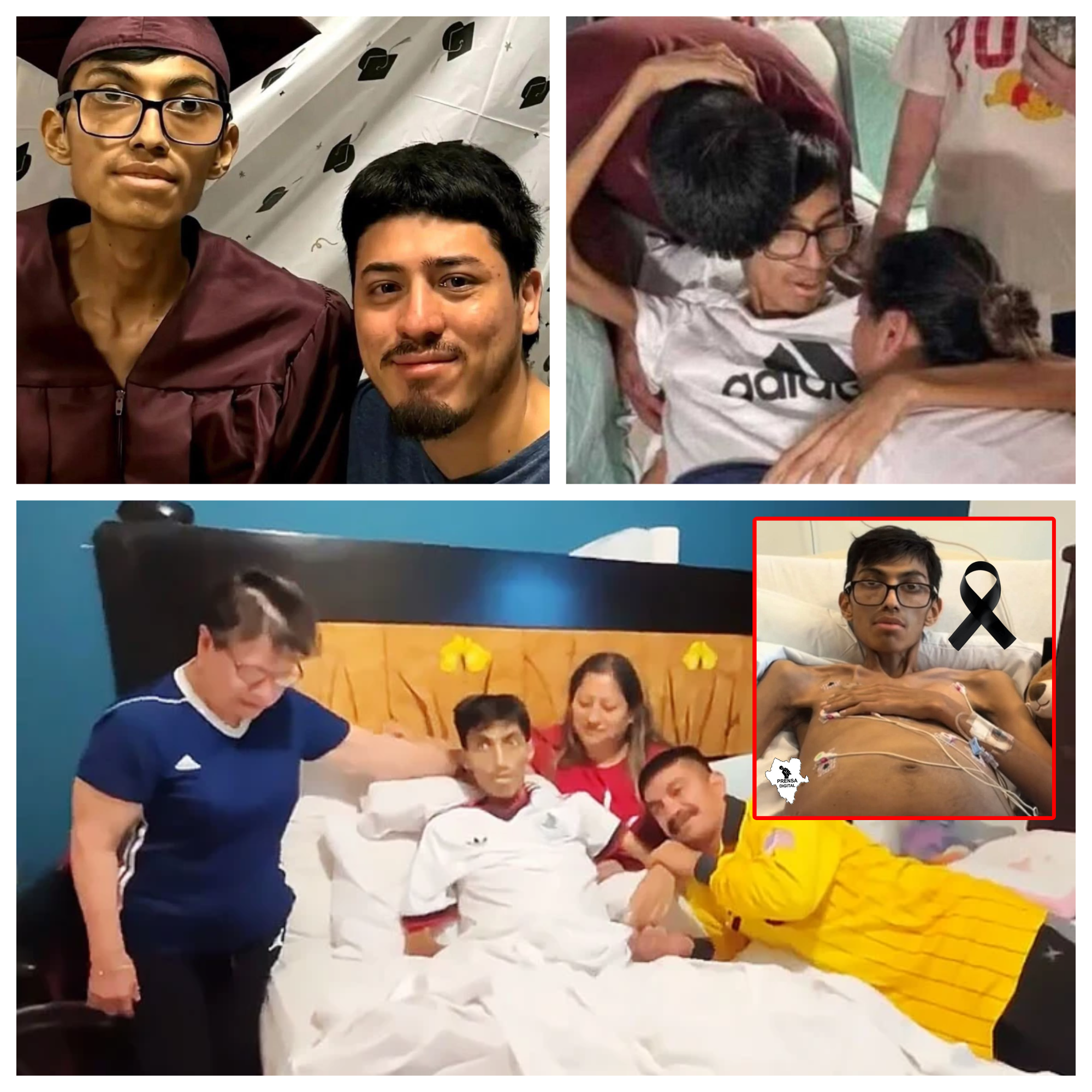
Kevin González, an 18-year-old American citizen from Chicago, lost his fight with advanced stage 4 colon cancer on May 10, 2026, in Durango, Mexico. The tragedy carries an extra layer of pain: he had been reunited with his long-separated parents for only a single day before his passing. His story has become a powerful symbol of love, loss, bureaucratic obstacles, and the fragility of life when illness and immigration collide.
Born in Chicago, Kevin had been living in Mexico with his parents, Isidoro González Avilés and Norma Anabel Ramírez Amaya, following their earlier deportation. In late 2025 or early 2026, he returned to the United States to visit relatives and address ongoing stomach problems. What doctors initially thought might be a treatable condition quickly escalated into devastating news — stage 4 colon cancer with metastasis to multiple organs. The prognosis was terminal. Medical teams shifted focus to palliative care, aiming to ease his suffering in his remaining time.
As Kevin’s health declined sharply, his emotional pleas grew stronger. All he wanted was to see his mother and father one more time. His parents, hearing of their son’s critical state, made the desperate decision to attempt re-entry into the U.S. In mid-April 2026, they were apprehended by ICE agents in Arizona and placed in detention. News of their situation spread rapidly as Kevin’s condition worsened, drawing sympathy from communities across both countries. Family advocates, local leaders, and elected officials mobilized quickly.
Public pressure mounted. Kevin recorded heartfelt messages begging authorities to allow his parents to be at his bedside. Legal teams filed urgent motions. A federal judge reviewed the case and ultimately ordered the parents’ release from custody with immediate deportation to Mexico, clearing the path for the reunion. On May 9, 2026, Isidoro and Norma finally embraced their son in Durango. Family members described the scene as deeply moving: tears flowed freely, words of love and regret were exchanged, and Kevin appeared at peace for the first time in months. His mother held him gently, shocked by how much weight he had lost. His father stayed close, whispering promises and sharing memories.
Tragically, Kevin slipped away peacefully the very next day, May 10 — coinciding with Mother’s Day in the United States. He was surrounded by loved ones who had fought so hard to make his final wish come true. The brief reunion, while bittersweet, fulfilled what the family called his greatest desire. A wake followed shortly after in Durango, where relatives and neighbors gathered to celebrate his short but courageous life.
Understanding the Medical Reality
Colorectal cancer remains uncommon in teenagers, yet when it strikes at advanced stages, it tends to progress aggressively. Kevin’s symptoms — persistent abdominal pain and discomfort — may have been easy to overlook initially in someone so young. By the time of diagnosis, the cancer had already spread extensively. Treatment proved ineffective, leading doctors to prioritize quality of life over aggressive interventions. His case adds to growing awareness about the rise of colorectal cancer among younger adults, prompting calls for earlier screening guidelines and greater vigilance for warning signs.
Kevin endured weeks of pain and fatigue. Eventually, he left medical facilities in Chicago to seek comfort closer to extended family in Mexico. The physical toll was immense, but the emotional separation from his parents weighed even heavier on him.
The Immigration Hurdles
Kevin’s parents faced previous immigration violations, which complicated any attempts at humanitarian parole or visas. Despite these barriers, the urgency of their son’s terminal illness created a compelling humanitarian argument. Involvement from the Mexican consulate, U.S. congressional representatives including Rep. Delia Ramirez, and widespread media attention helped accelerate the legal process. Their detention in Arizona became a flashpoint in broader conversations about family unity, border enforcement, and compassionate exceptions in immigration policy.
While some view the judge’s decision as a small but meaningful victory for humanity, others point to systemic delays that allowed valuable time to slip away. The episode underscores ongoing debates about balancing national security with the human right to family connection during medical emergencies.
Lasting Impact and Community Response
In the days following Kevin’s death, his story has resonated deeply on social media and in both U.S. and Mexican communities. Supporters have shared messages of condolence, called for policy reforms to prevent similar family separations, and highlighted the need for improved healthcare access for U.S. citizens living abroad. Friends remember Kevin as a resilient young man who maintained hope even as his body failed him. His determination to see his parents became the driving force in his final weeks.
The reunion, though short, brought a measure of closure. Family members expressed gratitude that Kevin did not die alone but in the arms of those he loved most. His passing has also fueled discussions on mental and emotional support for families navigating terminal illness alongside legal challenges.
Kevin González’s life, though brief, leaves behind a poignant lesson: the irreplaceable value of family presence in moments of crisis. It challenges societies to examine how rules and regulations can sometimes conflict with basic compassion. As tributes continue to pour in from Chicago to Durango, many are reflecting on how a single day of togetherness can carry the weight of a lifetime of love.
His story is not just one of loss, but of perseverance, advocacy, and the enduring power of a child’s final wish. In honoring Kevin, communities on both sides of the border are reminded that behind every policy debate are real families with real hearts — beating, breaking, and hoping until the very end.