Investigators in the ongoing disappearance of Nancy Guthrie, the 84-year-old mother of NBC “Today” co-anchor Savannah Guthrie, have confirmed the recovery of DNA evidence inside her Catalina Foothills home that does not belong to Nancy or anyone in her close circle of contacts. This revelation, announced by the Pima County Sheriff’s Department in mid-February 2026, marks a significant development in a case now entering its third week without resolution.
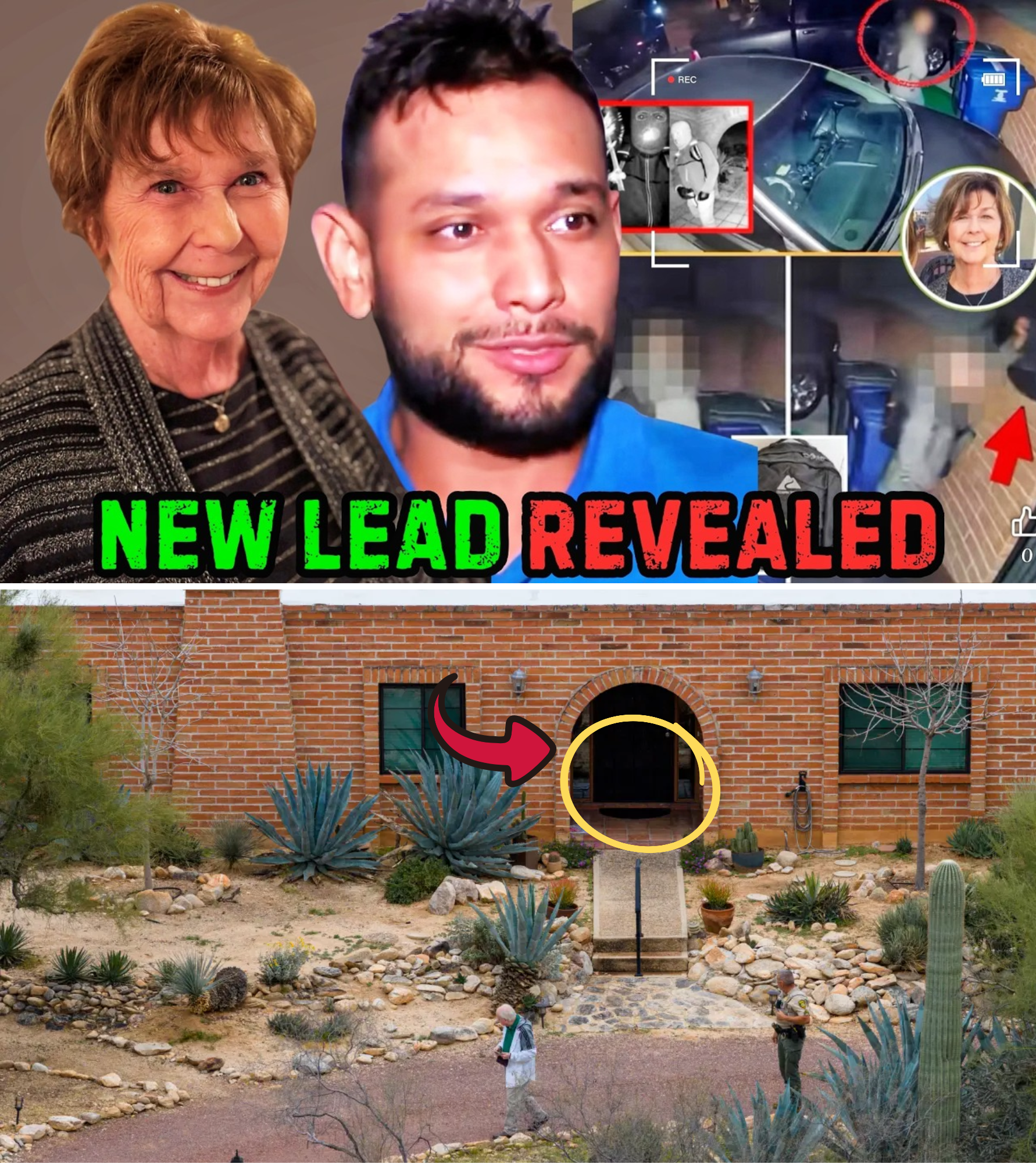
Nancy Guthrie vanished from her residence in the upscale Catalina Foothills neighborhood of Tucson, Arizona, in the early morning hours of February 1, 2026. The last confirmed activity was her pacemaker disconnecting from its monitoring app at 2:28 a.m., shortly after a masked figure appeared on her Nest doorbell camera at 2:12 a.m. The camera itself went offline around 1:47 a.m., suggesting possible tampering or rapid removal from the premises. Authorities quickly classified the incident as an abduction, likely stemming from a targeted intrusion rather than a random act, with no evidence supporting voluntary departure given her age, health needs, and routine.
On February 13, 2026, the Pima County Sheriff’s Office publicly disclosed that “DNA other than Nancy Guthrie’s and those in close contact to her has been collected from the property.” Sheriff Chris Nanos emphasized during interviews that this genetic material—described as “biological evidence”—was recovered during the initial crime scene processing and is undergoing rigorous lab analysis. While specifics on the sample’s source (such as touch DNA from surfaces, hair, or other traces) remain undisclosed to protect investigative integrity, the sheriff indicated it could potentially belong to the suspect. “We believe that we may have some DNA there that may be our suspect,” Nanos stated on NBC’s “Today” show.
This home DNA does not match any profiles in the FBI’s Combined DNA Index System (CODIS), the national criminal database containing over 22 million offender samples. Similarly, DNA lifted from a black glove discovered approximately two miles from the residence—deemed visually consistent with those worn by the masked intruder in doorbell footage—also failed to produce matches when submitted to CODIS on February 17, 2026. The glove was one of more than a dozen recovered during extensive desert searches, but authorities distinguished it as unique due to its appearance and location in a field near a roadside.
The absence of CODIS hits has shifted strategy toward investigative genetic genealogy. Partial or full profiles from both the home evidence and glove are being uploaded to public commercial databases like GEDmatch or FamilyTreeDNA, where familial connections can be traced through distant relatives’ voluntary submissions. This technique, successfully used in high-profile cases such as the Golden State Killer, allows law enforcement to build family trees and narrow suspect pools even without direct database matches. Experts note that while CODIS targets convicted offenders, genealogical databases draw from broader consumer ancestry testing, offering potential breakthroughs in stranger abductions.
The multi-agency effort—led by Pima County Sheriff’s deputies, the FBI, and supporting state resources—has processed over 50,000 tips and deployed extensive resources, including K-9 units, drones, and now aerial Bluetooth sniffer operations targeting Guthrie’s pacemaker signal. Sheriff Nanos has repeatedly cleared the Guthrie family of suspicion, stating they are “victims plain and simple” and condemning online rumors as “cruel.” Savannah Guthrie has maintained emotional public appeals, urging anyone with knowledge to come forward: “It is never too late to do the right thing. You’re not lost or alone.”
Challenges abound. The unknown male DNA profiles—distinct from Nancy and close contacts—require meticulous verification to rule out contamination or innocent transfers. The glove DNA’s lack of CODIS match suggests the perpetrator may lack a prior criminal record in the system, or the sample quality could limit immediate identification. Environmental factors in the desert terrain may degrade evidence, and the passage of time since February 1 complicates recovery efforts for an elderly woman with cardiac issues requiring medication.
Community response in Catalina Foothills remains vigilant, with neighbors sharing security footage and participating in searches. A growing reward fund and public vigils underscore widespread concern. Ransom notes surfaced early but proved unproductive, adding layers to the mystery without resolution.
As February 19, 2026, approaches, the focus sharpens on these DNA samples. If genetic genealogy yields familial links, it could lead to rapid identification and rescue. The sheriff holds cautious optimism, reiterating no evidence of harm to Guthrie and that every lead is pursued relentlessly.
The case continues to captivate national attention, amplified by Savannah Guthrie’s prominence. Authorities urge tips via 1-800-CALL-FBI or local channels. In a disappearance defined by shadows and silence, the DNA evidence—foreign to the home yet elusive—represents both a haunting question and a potential path to answers.