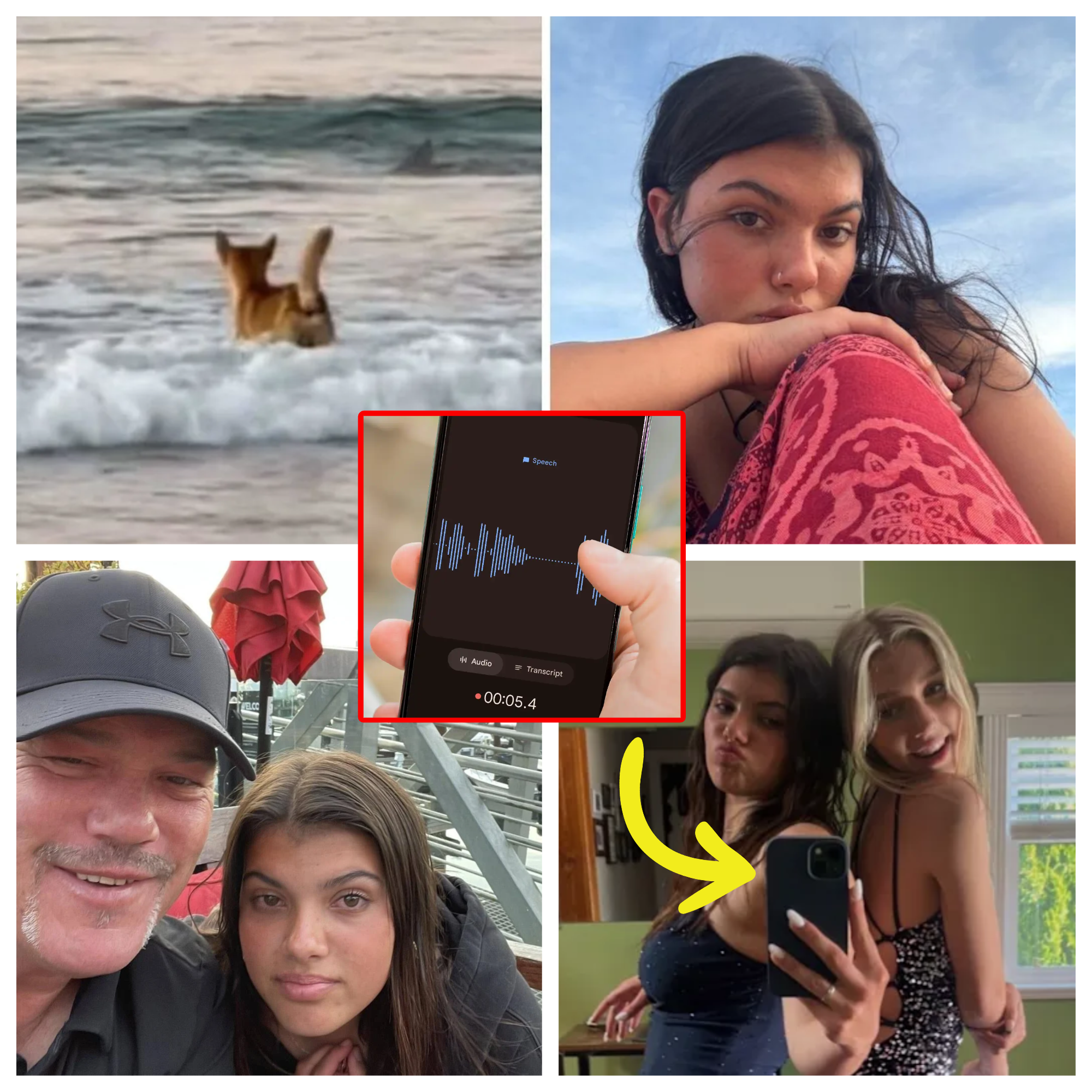
The tragic death of 19-year-old Canadian backpacker Piper James on the remote Queensland island of K’gari has taken a darker turn as her family publicly questions the official narrative and demands a deeper investigation into possible foul play. Piper’s body was discovered early Monday morning, January 19, 2026, on the sands of Seventy Five Mile Beach near the historic Maheno shipwreck, encircled by approximately 10 dingoes. Initial reports from Queensland police and the coroner focused on two primary possibilities: drowning in the treacherous eastern-shore currents or a fatal dingo attack — the first confirmed human death by dingoes on the island since the infamous 2001 mauling of nine-year-old Clinton Gage.
Yet Piper’s devastated father, Todd James, and mother, Angela James, have refused to accept these explanations without exhaustive scrutiny. In emotional statements shared via social media and interviews with Canadian outlets, Todd described his daughter as “a fighter who would never go quietly,” insisting that “she fought to her last breath.” The family has highlighted a 1:04 AM voice message Piper sent to her father just hours before her death — a short audio clip that has since gone viral, garnering millions of plays and fueling speculation. In the recording, Piper’s voice sounds calm but slightly breathless as she describes hearing “strange noises” near her hostel and feeling “watched” while walking back from a late-night chat with friends. “Dad, something doesn’t feel right tonight,” she says softly, before the message cuts off abruptly. No screams or distress calls are audible, but the timing — sent during the early hours when she was reportedly alone — has led her family to question whether she encountered someone or something threatening before heading to the beach for her planned 5 a.m. sunrise swim.
Queensland police, led by Wide Bay District Inspector Paul Algie, have maintained that there is “no evidence of foul play by persons named or unnamed” at this stage. A post-mortem examination was completed quickly, but the coroner has ordered additional forensic testing — including toxicology, tissue analysis, and dingo DNA swabs from defensive wounds on Piper’s arms and hands — to determine whether she drowned first or was fatally attacked post-mortem. Dingoes, Australia’s native wild dogs, are protected on K’gari and hold cultural significance to the Butchulla people, but they remain opportunistic predators. Police stressed that dingoes must never be fed or approached, and recent signage and ranger patrols have been increased following the incident.
Piper had been volunteering at a backpackers’ hostel on the World Heritage-listed sand island for six weeks, immersing herself in its rugged beauty — freshwater lakes, rainforests, and endless beaches. She had told friends she was excited for an early swim to catch the sunrise, a routine many tourists undertake despite warnings about strong rips and wildlife. Two men driving along the beach spotted the pack of dingoes circling an object around 6:30 a.m. and alerted authorities. Emergency services arrived to find Piper’s body showing defensive injuries consistent with interference by the animals, though it remains unclear whether these occurred before or after death.
The family’s skepticism centers on several points. They note the absence of Piper’s personal items — phone, towel, or clothing — at the scene, suggesting possible removal or staging. Todd James has questioned why dingoes would circle a body without scattering it further, as is common in scavenging behavior, and pointed to the 1:04 AM audio as evidence she may have felt threatened earlier. “She was street-smart, cautious, and would have fought,” he told CBC News. “If dingoes did this, why does it feel staged? We need every test, every angle looked at.” Online speculation has exploded, with some drawing parallels to the 1980 Azaria Chamberlain case — where a dingo was eventually exonerated after initial blame — and others alleging the animals were used to mask human involvement.
Queensland authorities have pushed back against premature conclusions. Inspector Algie reiterated that the investigation is “thorough and ongoing,” with no evidence supporting third-party involvement. The island’s isolation, limited mobile coverage, and vast undeveloped areas make quick resolution challenging. Rangers have temporarily closed nearby camping zones and intensified dingo-safety education for visitors.
Piper’s story has struck a chord far beyond Australia. From her hometown of Campbell River, British Columbia, to the global backpacking community, tributes pour in for the adventurous young woman remembered for her “infectious laugh” and “kind spirit.” Friends describe her as fearless yet responsible — someone who chased dreams while staying grounded. Her family has asked for privacy amid grief but continues advocating for transparency in the investigation.
As forensic results await, the question lingers: was Piper James the victim of nature’s unforgiving forces, or is there a human hand behind the tragedy? The 1:04 AM audio — her last recorded words — plays on repeat for many, a haunting reminder that some answers may never surface from the sands of K’gari.