Devastating Final Texts Reveal Grandmother’s Last Words Before Falling Into Open Manhattan Manhole.
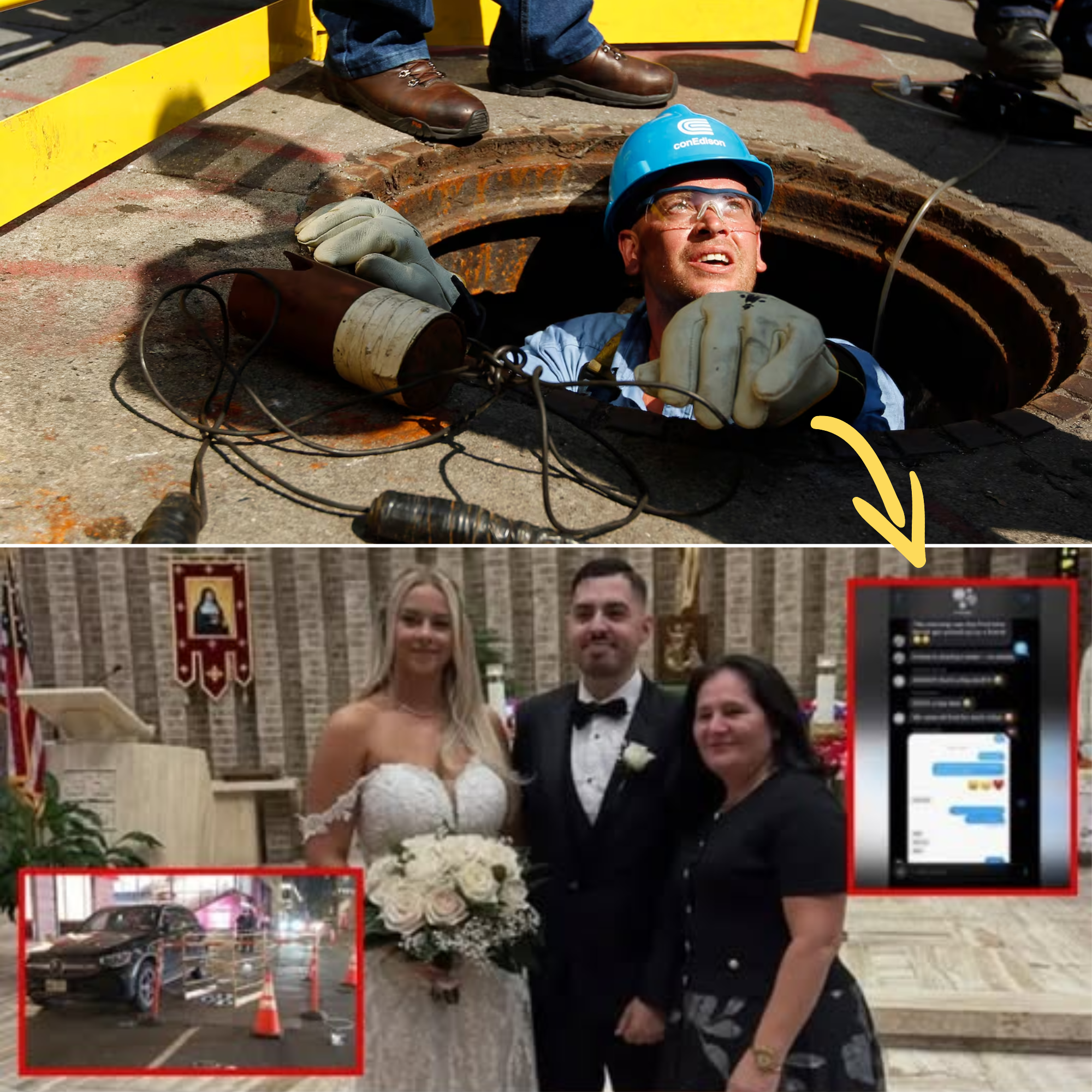
The glittering lights of Fifth Avenue in Midtown Manhattan are usually associated with luxury shopping, iconic landmarks, and the endless energy of New York City. But on the night of May 18, 2026, this famous stretch became the scene of a devastating and preventable tragedy that has gripped the nation. Donike Gocaj, a 56-year-old hardworking grandmother from Briarcliff Manor, Westchester County, lost her life after stepping into an uncovered utility manhole just outside the Cartier store. Her family has now shared the poignant final text messages that preceded the accident, turning a personal loss into a powerful public warning about urban safety.
Donike Gocaj had just finished her shift and was heading to her overnight cleaning job when the unthinkable happened. According to investigators, a passing truck had dislodged the heavy manhole cover only minutes earlier, leaving a gaping hole approximately 10 to 15 feet deep with no warning signs, barriers, or safety cones. As Gocaj stepped out of her Mercedes-Benz SUV near East 52nd Street and Fifth Avenue, she fell straight into the void, landing near scalding steam pipes belonging to Con Edison.
In the hours leading up to the tragedy, her concerned son-in-law had sent a message in the family group chat urging caution: “Please just take a taxi home. It’s late and too dangerous to drive or walk there.” Her reply — simple, optimistic, and now haunting — was “No, we’ll be fine.” Those four words have since become a symbol of how quickly life can change in the blink of an eye. Witnesses heard Gocaj scream “I’m dying!” from the bottom of the hole as she was exposed to extreme heat from the underground infrastructure. Bystanders and emergency responders rushed to pull her out, but she sustained critical injuries including severe scald burns, thermal inhalation damage, and blunt force trauma. She was transported to New York-Presbyterian Hospital but could not be saved.
The loss of Donike Gocaj has left her family shattered. A single mother who raised two children largely on her own, she was a proud grandmother to two young grandsons and had recently celebrated her son’s wedding in Cancun, Mexico. Friends and colleagues described her as a kind, resilient woman with a strong work ethic and an infectious smile. She had immigrated to the United States and built a life centered around family, often working long hours to provide for her loved ones.
The decision to publicly release the final text exchange has resonated deeply with thousands. Many readers have shared their own stories of brushing off safety concerns from family members, only to realize later how fragile everyday moments can be. The messages highlight a painful truth: in our fast-paced lives, we often prioritize convenience over caution, especially late at night in busy cities. “Those words ‘We’ll be fine’ will stay with me forever,” one commenter wrote. “It’s the kind of reply we all give — until it isn’t.”
Con Edison, the utility company responsible for the infrastructure, has launched an internal investigation and is cooperating with city authorities. They confirmed that a vehicle likely shifted the manhole cover, but questions remain about why there was no immediate response or safety measures in such a high-traffic tourist and commercial area. New York City officials are also facing scrutiny over infrastructure maintenance and rapid hazard response protocols in one of the world’s most visited locations.
This tragedy has sparked renewed conversations about urban safety. Manhole incidents, while rare, are not unheard of in older American cities with vast underground networks. Advocates are calling for better monitoring systems, real-time alerts for displaced covers, and stricter penalties for utility companies when preventable hazards lead to injury or death. Some are pushing for legislation requiring GPS tracking on manhole covers or automatic warning systems in busy districts.
For Gocaj’s family, the pain is compounded by the knowledge that a simple taxi ride might have changed everything. Her son has spoken publicly about the regret and the importance of listening to loved ones’ concerns. The family hopes Donike’s story will encourage others to prioritize safety, even when it feels inconvenient. Funeral services at Our Lady of Shkodra in Hartsdale drew large crowds from the Albanian-American community, where she was deeply loved and respected.
Beyond the individual loss, this case exposes broader issues in America’s aging infrastructure. Many cities struggle with outdated underground systems that pose hidden dangers to residents and visitors alike. The fact that this happened on glamorous Fifth Avenue — a place filled with tourists taking photos and shoppers carrying luxury bags — makes the incident even more shocking.
As the investigation continues, Gocaj’s family is seeking answers and accountability. They want to ensure that no other family has to endure the same heartbreak from a preventable accident. In sharing her final messages, they have turned their grief into a message of awareness: never assume “we’ll be fine” when someone who loves you expresses concern.
Donike Gocaj’s story is a sobering reminder that life’s most ordinary moments — stepping out of a car after work — can carry extraordinary risk. Her optimism in replying “We’ll be fine” now serves as both a tribute to her spirit and a painful lesson for all. In a city that moves at lightning speed, sometimes slowing down or heeding a warning can make all the difference.
Her memory lives on through her children and grandchildren, and her final words will continue to echo as a call for greater care, vigilance, and love in our daily lives.