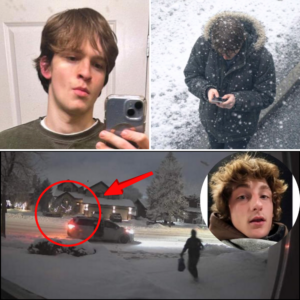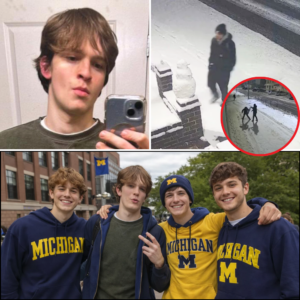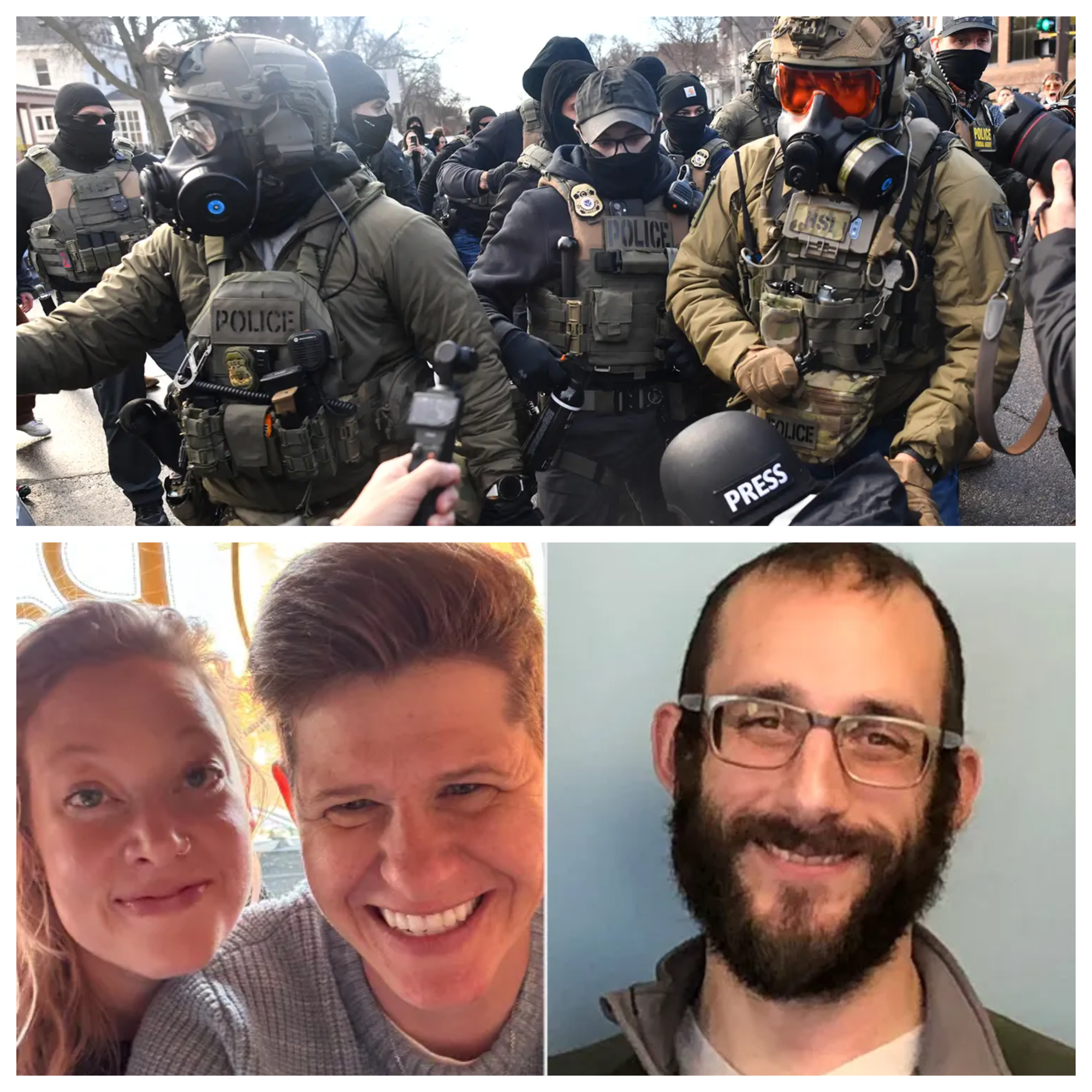
The city of Minneapolis remains in mourning following the fatal shooting of 37-year-old ICU nurse Alex Pretti by federal officers on January 24, 2026, just weeks after the death of another local resident, Renee Good. Pretti, a dedicated caregiver at the U.S. Department of Veterans Affairs hospital, was remembered by colleagues and patients as a compassionate professional who went above and beyond to comfort those in his care. His sudden death has intensified tensions surrounding federal immigration enforcement operations in the area, prompting strong reactions from the family of Renee Good and raising serious questions about accountability.
Pretti was participating in protests against ongoing Immigration and Customs Enforcement (ICE) activities when the confrontation unfolded. According to the Department of Homeland Security, officers from U.S. Border Patrol encountered Pretti after he allegedly approached them armed with a 9mm semi-automatic handgun and resisted attempts to disarm him. Agents reportedly fired defensive shots in response. However, independent verification of bystander footage has cast significant doubt on this account. The video shows Pretti standing among demonstrators with both hands visible, one holding a phone rather than a weapon. Officers deployed pepper spray toward the group before several agents moved in to pin him to the sidewalk. Moments later, shots were fired, ending his life.
Friends and coworkers described Pretti as someone who avoided conflict and dedicated his career to healing others. Just two weeks before his death, he had been caring for an Air Force veteran in the ICU, offering comfort and support during a difficult time. The veteran later shared memories of Pretti’s kindness, noting how the nurse had helped ease his anxiety and provided genuine care. A VA doctor echoed this sentiment, calling Pretti consistently kind and helpful. High school friends remembered him as someone who never sought trouble, while his parents expressed profound grief mixed with anger over what they called “sickening lies” from official sources.
The timing of Pretti’s death added layers of tragedy. It came less than three weeks after Renee Good, a 37-year-old mother of three, was fatally shot by an ICE agent on January 7, 2026. In that incident, federal officials claimed Good attempted to weaponize her vehicle against the agent, but her family and local authorities disputed the narrative. The Hennepin County Medical Examiner’s Office ruled her death a homicide. Good’s wife, Becca, witnessed the event, and the family has since described it as a devastating loss tied to overreach by federal forces.
On January 25, 2026, Renee Good’s family released a powerful statement addressing both tragedies. They described the weekend’s events as “terrifying, deeply disturbing, and heartbreaking,” highlighting the loss of yet another U.S. citizen exercising their right to peaceful protest. The statement urged Americans to examine the available video evidence themselves and called for an immediate and complete end to ICE operations in Minneapolis. “It has clearly gone too far and strayed far beyond its stated mission of removing criminal non-citizens from the country,” the family wrote. They emphasized that while ICE agents could leave the city, Minnesota residents had nowhere else to go, framing the situation as an “invasion” that demanded a hard reset.
Pretti’s own family, through a statement shared by the Minnesota Democratic–Farmer–Labor Party, expressed similar outrage. His parents, Michael and Susan Pretti, said they were “heartbroken but also very angry,” condemning what they viewed as reprehensible falsehoods from the administration. They portrayed their son as a kindhearted soul who cared deeply for family, friends, and American veterans, underscoring the disconnect between his life of service and the violent end he met.
The broader context involves escalating protests in Minneapolis against federal immigration enforcement under the current administration. Demonstrators have gathered to oppose what they see as excessive presence and aggressive tactics by agents. Reports of clashes, including the use of tear gas against families and other incidents of force, have fueled public discontent. Pretti, an avid outdoorsman who enjoyed mountain biking, had become vocal in these demonstrations following Good’s death, joining others in calling for change.
Video evidence has played a central role in shaping public perception. Verified footage contradicted initial official claims, showing Pretti unarmed and compliant in his final moments. This discrepancy has led to widespread calls for transparency and independent investigation. Protests have spread beyond Minneapolis, with gatherings in Wisconsin and other areas expressing solidarity and demanding justice.
Pretti’s colleagues at the VA hospital continue to honor his memory. Stories of his dedication to veterans highlight a man who saw caregiving as a calling. One touching account involved Pretti offering a final salute to a patient, a gesture that captured his respect and empathy. His death has left a void in the medical community, where he was known for his gentle approach and willingness to help anyone in need.
As investigations continue, the families of both Renee Good and Alex Pretti stand united in their grief and determination. They have called on the public to look beyond official statements and focus on what the footage reveals. The events have sparked renewed debate about the role of federal agencies in local communities, the use of force during protests, and the protection of constitutional rights.
Minneapolis, a city already scarred by past incidents of unrest, now faces another chapter of sorrow. The loss of two lives in such a short period has deepened divisions and amplified demands for reform. For the families, the pain is personal and raw, but their voices carry a broader message about trust, truth, and the need for change.