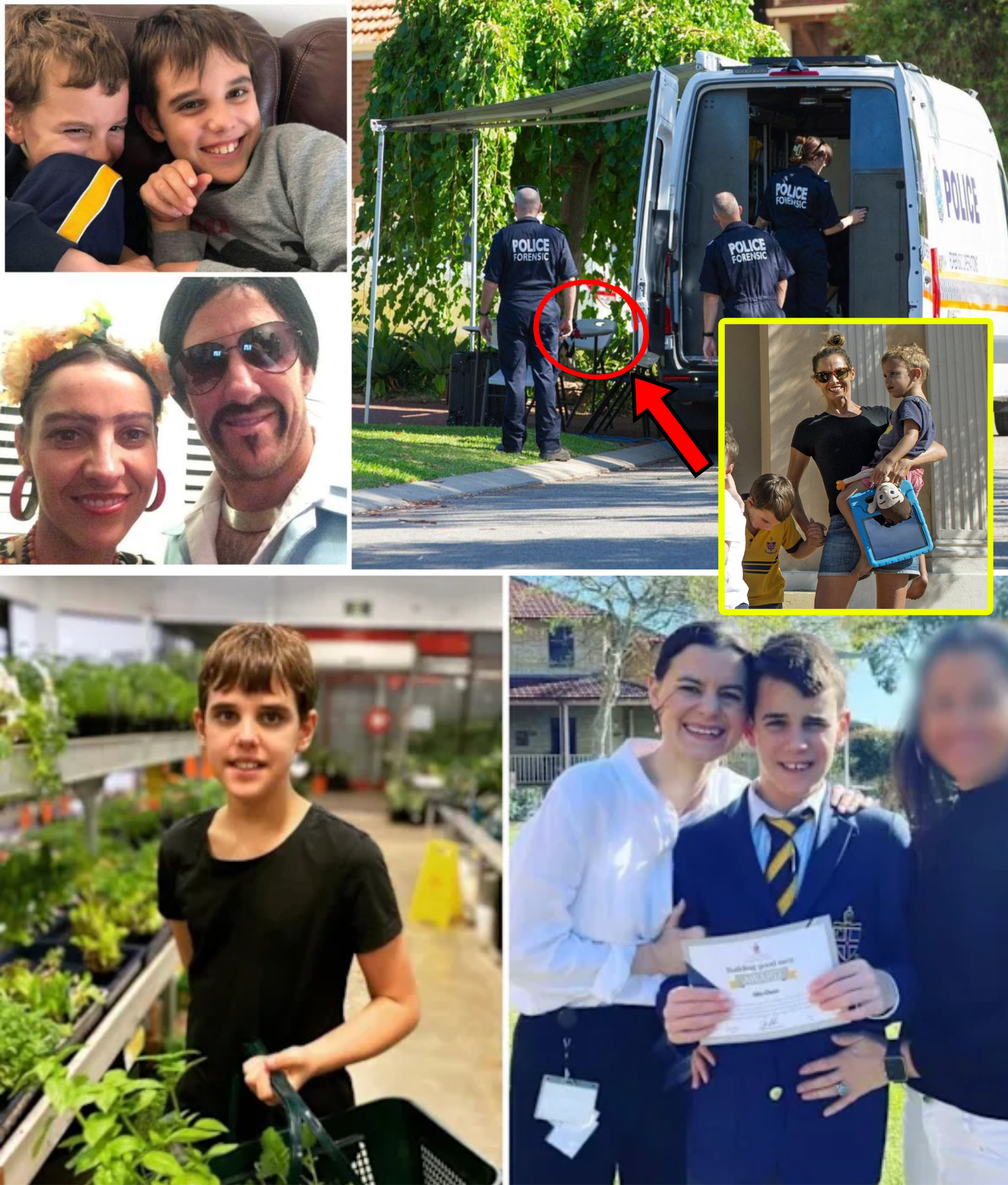
Western Australia Police have intensified their investigation into the suspected double murder-suicide in Mosman Park after discovering a second, highly significant note inside the family home on Mott Close. The note, described by sources close to the inquiry as “critical,” appears to provide detailed insight into the mindset and planning behind the deaths of Jarrod Clune, 50, Maiwenna Goasdoue, 49, and their teenage sons Leon, 16, and Otis, 14. Found alongside the bodies and three family pets on January 30, 2026, this additional letter has become a focal point for homicide detectives seeking to understand the sequence of events and the motivations that led to such a devastating outcome.
The tragedy unfolded early that Friday morning when a carer, arriving for a scheduled visit, discovered a brief warning note taped to the front door. It instructed anyone not to enter the residence and to contact police immediately. Officers responded promptly around 8:15 a.m., entering the affluent riverside property to find the four family members deceased in separate areas of the home—parents at the rear, boys elsewhere—along with two dogs and a cat. No weapons were involved, and there were no signs of a violent struggle, leading police to classify the incident as a suspected double murder-suicide from the outset.
While the initial door note served as a practical alert, the second note discovered inside has emerged as far more revealing. Reports from multiple outlets, including The West Australian, WA Today, and The Sydney Morning Herald, indicate it was structured as a detailed letter rather than a simple warning. It allegedly outlined the family’s final wishes regarding financial arrangements, suggesting premeditation and joint decision-making by the parents. Sources familiar with the investigation claim the document expressed the couple’s shared mindset in the lead-up to the act, providing homicide detectives with crucial context about why they believed they had “no other choice.” Police have not publicly disclosed the note’s full contents, citing the ongoing coronial process, but its existence has shifted the inquiry toward confirming the level of planning and intent.
The Clune family had long been known in autism support circles for their dedication to their sons, both diagnosed with severe autism requiring intensive, lifelong care. Carer Maddie Page, who supported the boys for over a decade, previously described Jarrod and Maiwenna as their “biggest and fiercest advocates,” highlighting the immense love amid profound challenges. Yet friends and advocates later revealed mounting pressures: recent NDIS funding cuts that reduced access to respite, behavioral therapies, and essential in-home support. These reductions reportedly left the parents feeling increasingly isolated and desperate, amplifying carer burnout in a household where round-the-clock supervision was non-negotiable.
The second note’s discovery has amplified calls for systemic change. Advocacy groups, including the Australian Neurodivergent Parents Association, have pointed to the tragedy as evidence of failures in Australia’s National Disability Insurance Scheme. Families caring for multiple high-needs children often face exponential demands—physical, emotional, and financial—with limited breaks or future security. Studies consistently show elevated rates of mental health struggles among such carers, including depression, anxiety, and hopelessness. In extreme cases, prolonged despair can lead to tragic rationalizations where ending lives is seen as sparing loved ones from future suffering.
WA Premier Roger Cook described the deaths as an “unimaginable tragedy,” urging anyone struggling to seek help while investigations continue. Police have stressed no ongoing risk to the community, with the Homicide Squad leading the probe. Forensic teams remained at the scene over the weekend, collecting evidence and analyzing the notes for handwriting, timing, and content consistency. The coroner will ultimately determine exact causes of death, but the second note has already helped solidify the murder-suicide classification by demonstrating apparent forethought and coordination.
Tributes continue to pour in for Leon and Otis, remembered through old school newsletters from Christ Church Grammar School as joyful boys who loved simple adventures—river explorations, beach days, and shared treats. These glimpses contrast sharply with the family’s later struggles, underscoring how autism at severe levels can transform everyday life into constant vigilance. Community vigils, online memorials, and shared stories emphasize the boys’ innocence and the parents’ commitment, even as questions linger about preventable failures in support systems.
The note’s financial instructions suggest the parents considered aftermath logistics, a detail that has disturbed many observers. It raises uncomfortable realities about carer fears: outliving one’s ability to provide care or leaving vulnerable dependents without advocates. Experts note that while no justification exists for taking lives, understanding accumulated strain can guide prevention—through expanded respite, mental health integration in disability plans, and proactive family monitoring.
As police pore over the “critical” second note, the Mosman Park case forces broader reflection on disability care in Australia. The NDIS, meant to empower, has faced criticism for bureaucratic hurdles and funding inconsistencies that hit high-needs households hardest. This family’s story—once defined by love and advocacy—ended in silence and loss, leaving a community grieving and demanding answers. The note may hold keys to why, but true justice lies in reforms that ensure no other family reaches such despair.
Leon and Otis deserved futures of connection and joy; their parents deserved support matching their devotion. The second note, now under intense scrutiny, serves as both evidence and lament—a final, heartbreaking testament to a system that failed when it was needed most.