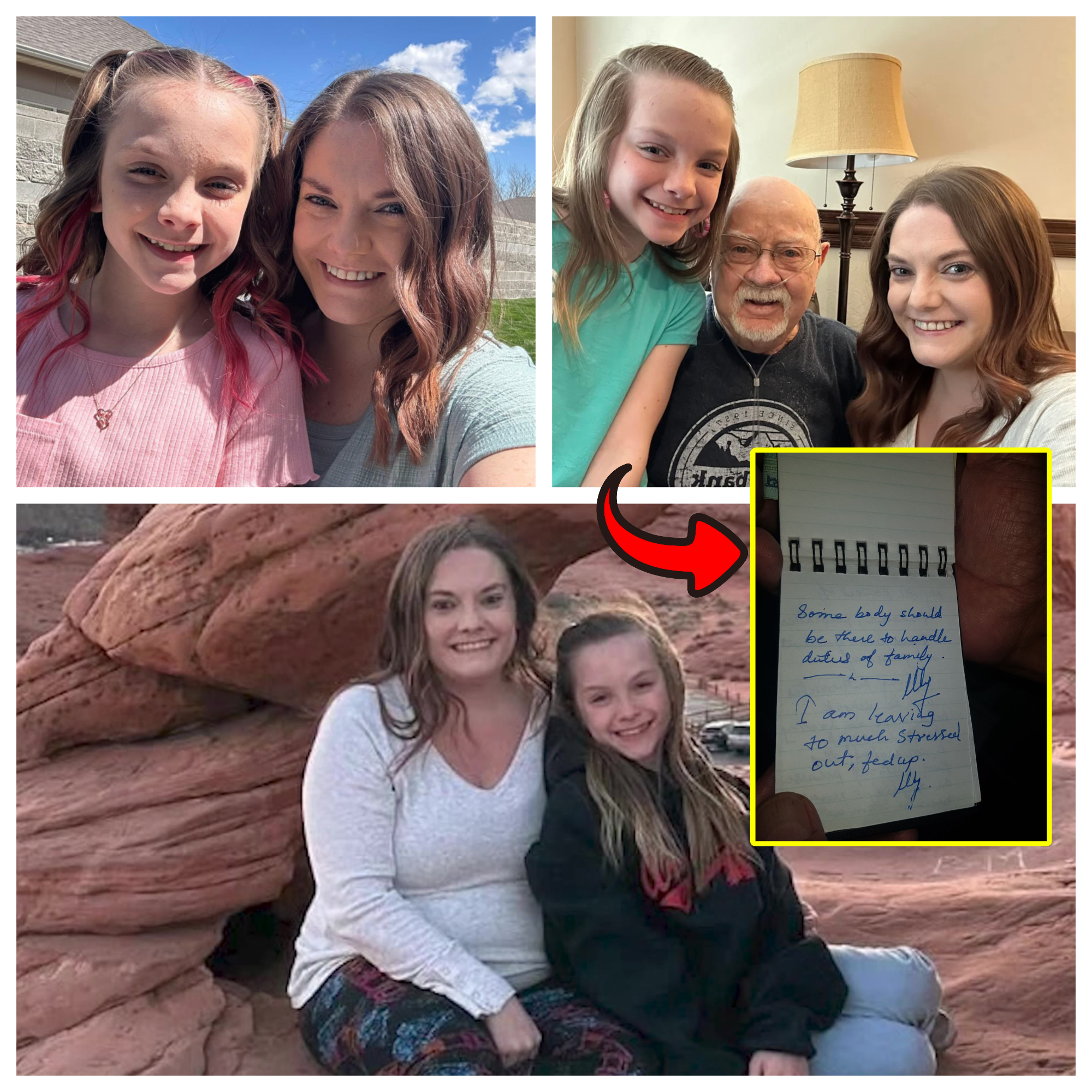
A handwritten suicide note recovered from a Las Vegas hotel room has provided investigators with a glimpse into the final thoughts of Tawnia McGeehan, the 34-year-old Utah mother who fatally shot her 11-year-old daughter Addilyn “Addi” Smith before turning the gun on herself in an apparent murder-suicide. The tragedy unfolded over the weekend of February 15, 2026, at the Rio Hotel & Casino near the Las Vegas Strip, where the pair had traveled from West Jordan, Utah, for a cheerleading competition. What began as a routine trip for Addi’s team, Utah Xtreme Cheer, ended in unimaginable loss when the two failed to appear at the event.
Las Vegas Metropolitan Police Department officers responded to a welfare check around 2:37 p.m. on Sunday after family and team members reported the mother and daughter missing. Upon entering the room, they discovered both unresponsive from apparent gunshot wounds. Homicide detectives quickly determined McGeehan had shot her daughter before shooting herself. The Clark County Coroner’s Office confirmed the deaths: McGeehan died by suicide via gunshot to the head, while Addi was ruled a homicide victim. Both were pronounced dead at the scene.
The note, found next to the bodies, has been described by sources close to the investigation as “chilling” and deeply revealing of McGeehan’s state of mind. While authorities have not publicly released the full text to protect the ongoing probe and family privacy, insiders told outlets like FN News Update and local media that it expressed profound despair, hopelessness, and a distorted belief that ending their lives was the only escape from overwhelming pain. Phrases reportedly alluded to feeling trapped by circumstances, including emotional exhaustion from years of conflict and a sense that the world had turned against her. The note did not explicitly blame others but painted a picture of a woman who believed her daughter would suffer without her, a common tragic rationale in such cases.
Court records and family accounts provide context for McGeehan’s turmoil. She had been locked in a bitter, nearly decade-long custody dispute with ex-husband Brad Smith since their 2015 divorce. Documents show repeated filings, temporary custody losses, and ongoing battles over Addi’s upbringing. McGeehan’s mother, Connie McGeehan, told the New York Post that her daughter struggled with depression, exacerbated by the custody fight and recent tensions with other parents on Addi’s cheer team. Sources mentioned “mean texts” exchanged amid cheer competition pressures, adding to her isolation. Despite efforts to regain stability, the cumulative stress—parenting challenges, mental health struggles, and perceived judgment—appears to have reached a breaking point during the Vegas trip.
Addi was a beloved member of Utah Xtreme Cheer, known for her bright energy and dedication. The gym posted a heartfelt tribute: “No words do the situation justice. She was so beyond loved, and she will always be a part of the UXC family.” Team members and the cheer community in Utah rallied with blue ribbons tied in solidarity, mourning the young athlete whose life ended far too soon. Stepmom McKennly Smith had posted a desperate plea on social media before the bodies were found: “My daughter Addi and her mom [are] missing please share post and call or text with any information thank you!” The message captured the initial panic that quickly turned to grief.
Police Lieutenant Robert Price described the incident as “sad and tragic” during a press conference, noting investigators’ hearts went out to the family. He confirmed the note’s existence but withheld details, citing the active investigation. No criminal motive beyond the apparent despair has been suggested; authorities ruled out external involvement. The case highlights the hidden struggles many face, particularly in high-pressure environments like competitive youth sports and contentious family court battles.
Mental health experts note that murder-suicides involving parents and children often stem from severe depression, perceived loss of control, or delusional thinking where the parent believes death is a merciful act. In McGeehan’s case, the custody history and reported depression align with patterns seen in similar tragedies. Advocates emphasize the need for better support systems—crisis intervention, counseling access, and awareness of warning signs in isolated parents.
The cheer world has been shaken. Utah Xtreme Cheer and other teams shared condolences, with many calling for mental health resources in competitive youth programs. Neighbors in West Jordan tied blue ribbons to trees and fences in memory of Addi, while community fundraisers emerged to support grieving relatives. The incident also renewed discussions on gun access in moments of crisis and the long-term effects of prolonged custody disputes on parental mental health.
As the investigation continues, authorities sift through digital records, witness statements, and any additional writings to fully understand the sequence of events. The note remains a key piece, offering insight into a mind overwhelmed by pain. For Addi’s family—father Brad, stepmom McKennly, extended relatives, and her cheer teammates—the loss is profound. They remember a joyful girl full of life, not the tragic end.
This heartbreaking story serves as a stark reminder of the fragility of mental health and the importance of reaching out. In a city built on bright lights, a quiet hotel room became the site of unimaginable darkness. The suicide note, though private, echoes a mother’s final cry—one that society must heed to prevent future tragedies.