In a disturbing revelation that has sent shockwaves through academic communities, federal authorities have unveiled chilling video confessions from Claudio Neves Valente, the 48-year-old Portuguese national behind the deadly shootings at Brown University and MIT. Valente, a former physics graduate student at Brown who dropped out in 2003 after just three semesters, recorded four videos in a New Hampshire storage unit before taking his own life on December 18, 2025. The transcripts, translated from Portuguese and released by the U.S. Department of Justice on January 6, 2026, paint a portrait of a cold-blooded killer who expressed zero regrets over the carnage he unleashed, instead whining about personal inconveniences like an eye injury sustained during his spree.
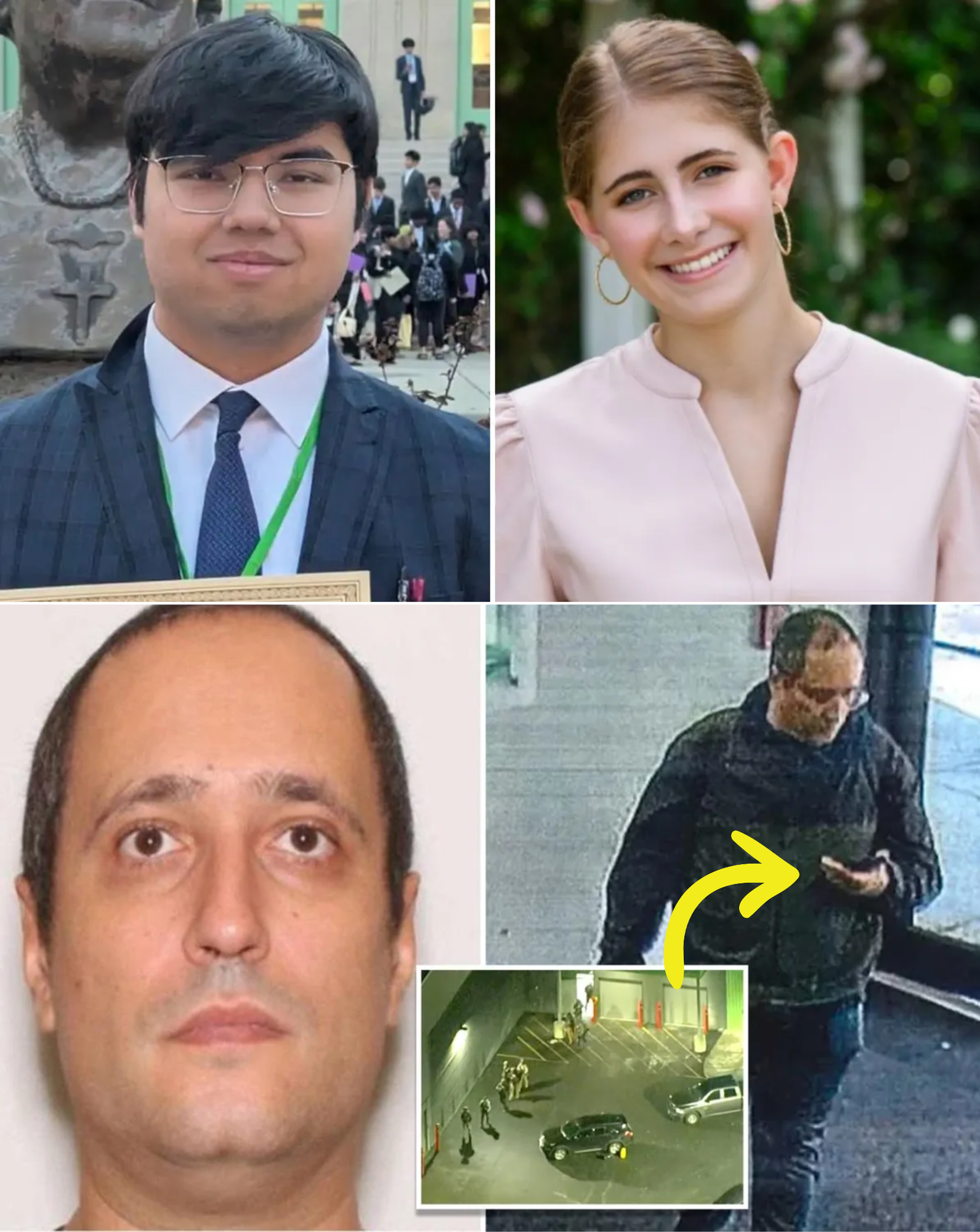
Valente’s rampage began on December 13, 2025, when he stormed a lecture hall at Brown University in Providence, Rhode Island, firing over 40 rounds into a crowd of unsuspecting students. The attack claimed the lives of two young scholars: 19-year-old sophomore Ella Cook from Alabama, a bright student passionate about her studies and known for her infectious enthusiasm among peers, and 18-year-old freshman Mukhammad Aziz Umurzokov, an Uzbek American who had recently immigrated and was excelling in his coursework. Nine others were wounded, some critically, turning a place of learning into a scene of horror. Witnesses described chaos as bullets ricocheted, with students diving for cover amid screams.
Just two days later, on December 15, Valente drove 50 miles to Brookline, Massachusetts, where he ambushed and fatally shot 47-year-old MIT professor Nuno Loureiro in his luxurious $1.4 million townhouse. Loureiro, a renowned expert in nuclear physics at MIT’s Plasma Science and Fusion Center, had once been Valente’s classmate and educator back in Portugal. The professor left behind a grieving family, including his wife and children, who were not home at the time. Authorities believe the killing was deeply personal, rooted in a longstanding grudge that festered for years after Valente’s failed academic pursuits.
In the haunting videos, Valente casually admitted to plotting the attacks for “six semesters,” boasting about seizing an “opportunity” to strike. “It’s done. It was six months, man. Not six months, six semesters, I had already planned this for a little more,” he said, showing no remorse for the lives destroyed. He dismissed any notion of mental illness, insisting, “I am sane,” and even took twisted pleasure in President Trump’s public condemnation, calling him an “animal.” Valente expressed envy toward those who could kill without hesitation, revealing a warped mindset: “I really have far, far too much inertia.” His ultimate goal? To die on his “own terms” and avoid suffering, as he fired a final shot into himself, believing he had hours before discovery. His body was found two days later, ending a tense weeklong manhunt.
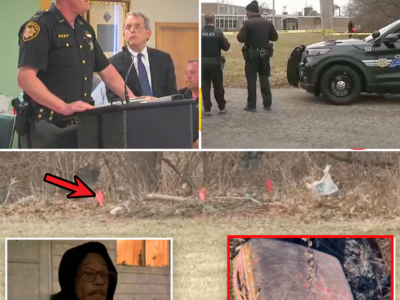
The investigation uncovered Valente’s suspicious behavior prior to the attacks, including multiple sightings snooping around Brown’s campus, which had prompted security alerts. He had sent three emails outlining his twisted reasoning, though details remain undisclosed. A homeless individual provided crucial tips that helped crack the case, earning community praise.
This tragedy has sparked nationwide discussions on campus safety, mental health in academia, and the lingering impacts of grudges. Brown and MIT have ramped up security measures, offering counseling to traumatized students and faculty. Memorials for the victims have grown, with funds raised for scholarships in their names. As the probe continues, questions linger about how such hatred simmered undetected for so long, leaving families shattered and communities forever changed.