More than seventy days after 84-year-old Nancy Guthrie was abducted from her Catalina Foothills home near Tucson, Arizona, on February 1, 2026, investigative journalist Brian Entin has uncovered a significant new direction in the case that could reshape the entire investigation. According to sources close to the probe, authorities are now actively seeking surveillance footage from two specific dates in January — January 11 and January 24 — raising the strong possibility that the masked suspect captured on Nancy’s doorbell camera had been conducting reconnaissance on the property well before the night of the abduction.
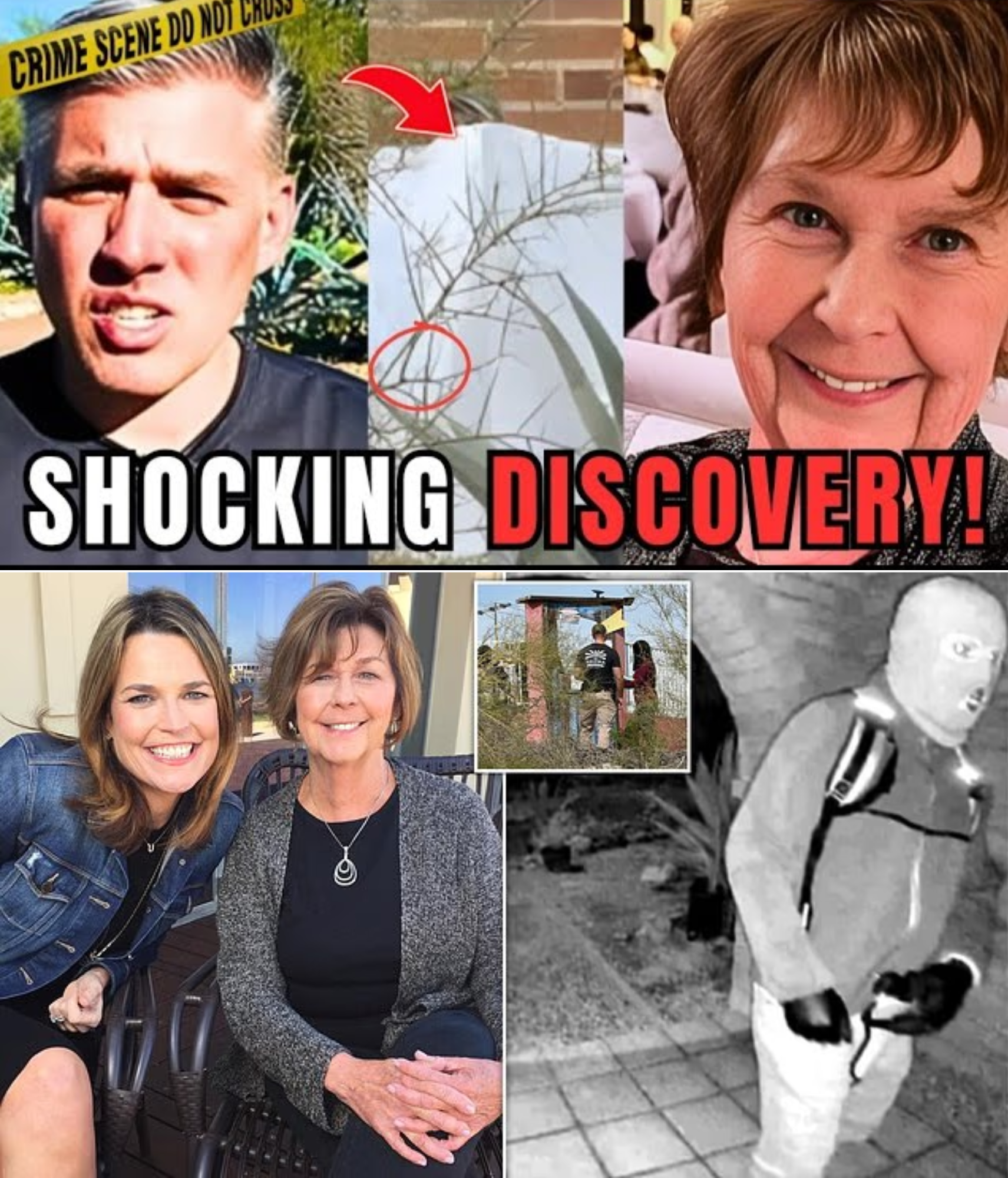
The established timeline remains haunting. On the evening of January 31, Nancy shared dinner with family and was dropped off at her residence around 9:50 p.m. She was alone for roughly four hours before the motion-activated doorbell camera recorded a masked individual approaching at 1:47 a.m. The suspect, dressed in a ski mask that left a visible mustache glimpse, oversized black gloves, a Walmart Ozark Trail backpack, and carrying a holstered handgun, moved with unnerving composure. He deliberately covered the lens, used a nearby shrub for extra concealment, held a flashlight in his mouth, and then removed the entire camera from its mount. Advanced digital forensics later recovered the footage despite the suspect’s efforts to destroy evidence.
No forced entry was discovered at the front door. Nancy’s pacemaker lost connection with her paired phone around 2:28 a.m., indicating she had been moved beyond the home’s range. Blood spatter confirmed to be hers was later found on the porch, underscoring the violent nature of the targeted operation. Multiple ransom notes have surfaced, some containing highly personal, non-public details that suggest the perpetrator had intimate knowledge of the scene and Nancy’s situation.
Brian Entin’s reporting highlights a critical gap: the possibility of pre-abduction surveillance. The sudden focus on footage from January 11 and January 24 implies investigators now believe the perpetrator scouted the property, tested camera angles, observed Nancy’s routines, and mapped escape routes days or even weeks in advance. These dates fall squarely in the period when Nancy was living her normal independent life — mentally sharp, taking daily medications, and maintaining her usual schedule — making any unusual vehicles, lingering figures, or repeated drive-bys highly suspicious in retrospect.
The suspect’s technical precision in handling the doorbell camera further supports this theory. By physically removing the device, he attempted to prevent data overwriting, yet this very action preserved the footage for recovery. His calm approach, direct path to the front door, and lack of hesitation suggest someone who had already studied the layout and security system. If the January 11 and January 24 footage exists — from neighboring homes, street cameras, or passing vehicles — it could reveal the suspect’s vehicle, appearance without the mask, or patterns of behavior that link directly to the abduction night.
Entin has spoken with insiders who describe an initial “rush to judgment” that Nancy might have wandered off due to her age, which delayed treating the case as a clear abduction. That early misstep may have allowed valuable surveillance evidence to go uncollected at the time. Now, with the investigation deeper into its third month, authorities are circling back to canvass aggressively for any overlooked digital records from those two dates.
Forensic efforts continue on multiple fronts. Unknown male DNA recovered from inside the home and from a black glove found approximately two miles away — matching the style in the doorbell video — is being processed through CODIS and advanced genetic genealogy. A DNA expert recently suggested investigators should return to the crime scene for additional samples, as new technology could unlock mixed profiles that have so far proven challenging.
Profilers, including those with FBI Behavioral Analysis Unit experience, have floated retribution as a possible motive, potentially linked to Savannah Guthrie’s prominent role as co-anchor of NBC’s TODAY show. Savannah has publicly expressed deep guilt, wondering if her high-profile career inadvertently placed her mother in danger. The family has been officially cleared as suspects and maintains a $1 million reward for information leading to Nancy’s safe return or the arrest of those responsible. Ransom communications have referenced possible connections to Sonora, Mexico, though their credibility is still under review.
Nancy is remembered as independent and beloved by her three children — Savannah, Annie, and Camron. Her daily medications add urgency to the search, as prolonged time without them could seriously impact her health. Brian Entin has expressed guarded optimism that a resolution is coming, citing the combination of DNA evidence, the suspect’s image, and now this renewed push for early surveillance footage.
The two January dates represent a potential game-changer. If even one neighbor’s camera or traffic system captured something unusual on January 11 or 24, it could provide the missing link — a vehicle description, partial face without the mask, or behavioral pattern that ties the reconnaissance directly to the masked figure on February 1. The kidnapper’s careful planning may have left digital breadcrumbs that simply went unnoticed until Entin’s reporting brought fresh attention to them.
As the case enters its third month with Savannah recently returning to the TODAY show desk, the family continues to plead for community help. Tucson residents and the broader southern Arizona area are being urged to review any home security footage, dashcam recordings, or memories from mid-to-late January that might now seem relevant.
Nancy Guthrie remains missing. The masked intruder thought he had erased his trail by removing the doorbell camera, but the renewed focus on pre-abduction surveillance — sparked in part by Brian Entin’s persistent coverage — offers renewed hope that the truth is still hidden in plain sight within the digital records of those quiet January days.
If you have any surveillance footage, dashcam video, or observed anything unusual in the Catalina Foothills area on or around January 11 or January 24, 2026, contact the FBI immediately at 1-800-CALL-FBI or submit tips at tips.fbi.gov. The Pima County Sheriff’s Department and the Guthrie family’s $1 million reward remain active. The smallest overlooked detail from those dates could finally bring Nancy home and hold her abductor accountable.
News
XO, Kitty Season 4: Netflix Renewal Hopes, 2027 Release Window & What Fans Are Desperately Waiting For.
After the heartfelt and dramatic conclusion of Season 3, which premiered on Netflix at the end of March 2026, fans of XO, Kitty are already flooding social media with one…
Kitty’s Heartbreaking Choice: Will Love Survive College… or a Mother’s Secret?
In the glittering halls of KISS Academy, where young love blooms amid cherry blossoms and cultural clashes, XO, Kitty has captured hearts worldwide with its charming mix of romance, friendship,…
Brian Entin’s Concerning Observations at Tucson SWAT Raid: New Leads, Ransom Twists, and Lingering Questions in Nancy Guthrie Abduction.
More than seventy days after 84-year-old Nancy Guthrie was abducted from her bed in the Catalina Foothills home near Tucson, Arizona, on February 1, 2026, the investigation took a dramatic…
Chilling 2-Minute Window After Drop-Off: New Camera Footage Raises Terrifying Questions in Nancy Guthrie Abduction.
More than seventy days after 84-year-old Nancy Guthrie vanished from her Catalina Foothills home near Tucson, Arizona, on February 1, 2026, a newly highlighted piece of surveillance evidence has intensified…
Nancy Guthrie Abduction Was Targeted: Insider Knowledge Exposed in Doorbell Tampering, Recon Visit, and $6 Million Ransom Demand.
More than seventy days after 84-year-old Nancy Guthrie vanished from her Catalina Foothills home in Tucson, Arizona, on February 1, 2026, investigators and analysts increasingly describe the case as a…
The Car That Took Nancy Guthrie: Retired FBI Agent Exposes Critical Tire Evidence on Driveway That May Have Been Lost Forever.
More than two months after 84-year-old Nancy Guthrie was abducted from her Tucson-area home in the Catalina Foothills, a new layer of forensic analysis has surfaced that could either crack…
End of content
No more pages to load