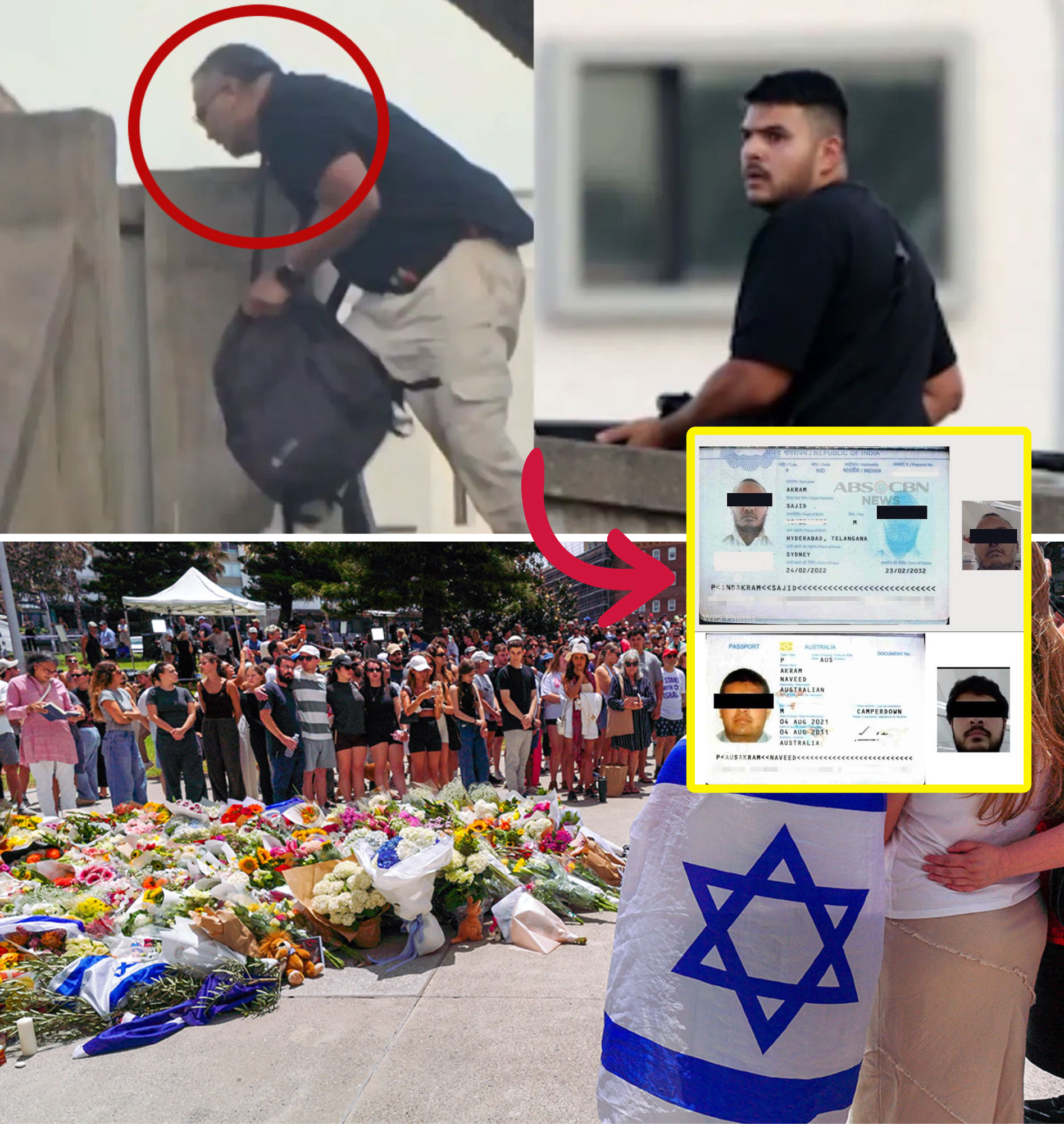
Authorities have released a previously unseen photograph of Sajid Akram, the 50-year-old father involved in the recent Bondi Beach event in Sydney, captured shortly before the occurrence. The image, taken from his passport records, provides a clear view of Akram, who had been living in Australia since migrating from India in 1998. This development comes amid ongoing investigations into his background and activities, including multiple visits to his home country and a recent trip abroad with his 24-year-old son, Naveed Akram.
Sajid Akram was born and raised in Hyderabad, a bustling city in southern India known for its technology and pharmaceutical industries. He completed a Bachelor of Commerce degree there before deciding to seek opportunities overseas. Arriving in Australia on a student visa, he later transitioned to a partner visa after marrying Venera, a woman of European descent. The couple settled in Sydney’s western suburbs, where they raised three children: Naveed, a younger daughter now 22, and a son aged 20. Akram worked as a fruit shop owner, maintaining a low-profile life that, according to neighbors and acquaintances, seemed unremarkable for years.
The family’s home in Bonnyrigg, purchased in 2024, was described by locals as a typical suburban residence. Venera, who stayed at home to care for her elderly mother living nearby, portrayed her family as close-knit and ordinary. Naveed, the eldest child, attended Cabramatta High School and was remembered by former classmates as someone who kept to himself but had a few friends. After school, he worked as a bricklayer until losing his job two months prior to the event due to his employer’s insolvency. His interests included fishing, scuba diving, swimming, and regular exercise, activities that kept him active outdoors rather than engaged in social scenes involving alcohol or smoking.
Despite this seemingly routine existence, investigators have uncovered details suggesting a more complex undercurrent. Sajid Akram made six trips back to India over the years, primarily for family-related matters such as visiting relatives or handling property issues. His last visit occurred in 2022, lasting two weeks. Notably, he did not return to India in 2017 following the death of his father, a decision that puzzled some extended family members. Relatives in Hyderabad, including an elder brother who is a doctor, reported limited contact with Akram over the past 27 years. They expressed complete unawareness of any shifts in his beliefs or lifestyle that might have led to his involvement in the Bondi incident.
Indian police officials in Telangana state, where Hyderabad is located, have cooperated closely with Australian authorities. They confirmed that Akram had no criminal record in India prior to his departure in 1998. A senior officer stated that the family’s home, known as Zehra Cottage in the middle-class Al Hasnath colony of Tolichowki, is in a peaceful Muslim neighborhood with no history of disturbances. Neighbors described the area as quiet and uneventful, reinforcing that any changes in Akram’s mindset likely occurred after his relocation to Australia. The officials emphasized that there appears to be no link between Akram’s radicalization—if any—and influences from India or local elements in Telangana.
Naveed Akram, born in Australia and holding citizenship there, was also under scrutiny for his associations. In 2019, he had been briefly investigated for connections to individuals in Sydney, but authorities at the time determined there was no immediate concern. More recently, attention has turned to a trip the father and son took together in November 2025 to the Philippines. They flew to Davao in Mindanao on November 1 and returned via Manila on November 28. Philippine officials have denied that the region serves as a hub for certain activities, and there is no confirmed evidence of participation in training programs. However, Australian investigators are examining the purpose of the journey, including travel documents: Sajid used his Indian passport, while Naveed traveled on Australian identification.
The Bondi Beach event unfolded on the evening of December 14, 2025, during a community gathering to celebrate Hanukkah, attended by members of Sydney’s Jewish community. The location, a popular tourist spot known for its vibrant atmosphere, was hosting the event when the disruption began. Emergency services responded swiftly, with police arriving on the scene to manage the situation. Sajid Akram was pronounced deceased at the location, while Naveed was taken into custody and transported to a hospital for treatment of injuries sustained during the confrontation. He remained in a coma for several days before recovering sufficiently to face charges.
In a court appearance on December 22, 2025, Naveed was formally charged with 59 offenses, including multiple counts related to the harm caused to individuals, one count of engaging in an act that disrupted public order, and others pertaining to the display of prohibited symbols and placement of items in public spaces. He did not apply for bail, and his next court date is set for April 8, 2026. During searches of the family’s properties, authorities recovered several items, including legally registered equipment from Sajid’s possession, flags associated with certain groups, and a video containing promotional material. These findings have prompted discussions on regulatory reforms, with Prime Minister Anthony Albanese calling for reviews of existing policies.
The victims of the incident included a diverse group of attendees: Peter Meagher, a 61-year-old photographer who had captured images at the event just moments before; Alex Kleytman, 87; Rabbi Yaakov Levitan, 39; Reuven Morrison, 62; a 10-year-old child named Matilda; Tibor Weitzen, 78; Marika Pogany, 82; Rabbi Eli Schlanger, 41; Dan Elkavam, 27; Edith Brutman, 68; and Boris Tetleroyd, among others. Dozens more were hospitalized, including two police officers who sustained injuries while responding. Community leaders have organized vigils and support services, emphasizing unity and resilience in the face of the tragedy.
Venera Akram, speaking through intermediaries, maintained that her son was uninvolved in any concerning behavior. She recounted a phone conversation with Naveed on the morning of December 14, where he claimed to be on a fishing trip to Jervis Bay with his father. He described swimming, scuba diving, and relaxing at home due to the heat. Venera insisted that Naveed did not possess any items that could lead to harm and described him as a “good boy” who avoided negative influences. The family had informed relatives of plans for a South Coast outing, aligning with Naveed’s reported hobbies.
International cooperation has been key to the investigation. Australian Foreign Minister Penny Wong and her Philippine counterpart, Maria Theresa Lazaro, have agreed to share updates on the probe. The incident has also sparked online misinformation, including fabricated images and false identifications of the individuals involved. Fact-checking organizations have debunked claims misattributing the event to unrelated parties, urging the public to rely on verified sources.
As the case progresses, questions linger about the path that led a seemingly ordinary family to this point. Experts in social dynamics suggest that external factors, such as online exposure or community associations, may play a role in such shifts, though no definitive conclusions have been drawn. Community responses have included calls for enhanced monitoring of travel and communications, balanced against privacy concerns.
The broader impact on Sydney’s multicultural fabric is evident. Bondi Beach, a symbol of Australia’s laid-back lifestyle, now bears the weight of this event, prompting reflections on safety and cohesion. Local officials have increased patrols and community outreach programs to foster dialogue and prevent similar occurrences. Support groups for affected families continue to provide counseling and resources, highlighting the long road to recovery.
In the wake of these revelations, the photograph of Sajid Akram serves as a poignant reminder of the complexities behind public incidents. It underscores the importance of thorough investigations that span borders and histories, aiming to piece together motivations without jumping to conclusions. As more details surface, the focus remains on justice for those impacted and measures to safeguard against future disruptions.
This event has also reignited debates on immigration and integration policies. Akram’s journey from India to Australia exemplifies the opportunities sought by many, yet it raises inquiries into support systems for newcomers. Policymakers are reviewing visa processes and community engagement initiatives to better address potential vulnerabilities.
Naveed’s school years offer another layer: while not standout, his quiet demeanor did not raise alarms. Educators and psychologists note that subtle changes can go unnoticed without proactive interventions. Programs promoting mental health awareness in schools have gained traction in response.
The Philippines trip, while under scrutiny, highlights global interconnectedness. Travel for leisure or family is common, but in this context, it prompts examinations of international movements. Officials stress that assumptions should not overshadow facts, as inquiries continue.
Family in India, residing in a serene neighborhood, grapple with the news. Their doctor’s profession and elderly mother’s presence paint a picture of stability, contrasting sharply with the events abroad. They hope for clarity and resolution.
Australian media coverage has been extensive, with outlets providing updates on court proceedings and victim stories. Public sentiment leans toward solidarity, with fundraisers aiding recovery efforts.
As the investigation unfolds, the community awaits further insights into the trips and connections. The final photograph of Sajid Akram, now public, marks a turning point in understanding the sequence of events leading to that December day at Bondi Beach.