Body in Phoenix Canal Sparks Hope and Fear in Nancy Guthrie Disappearance Mystery.
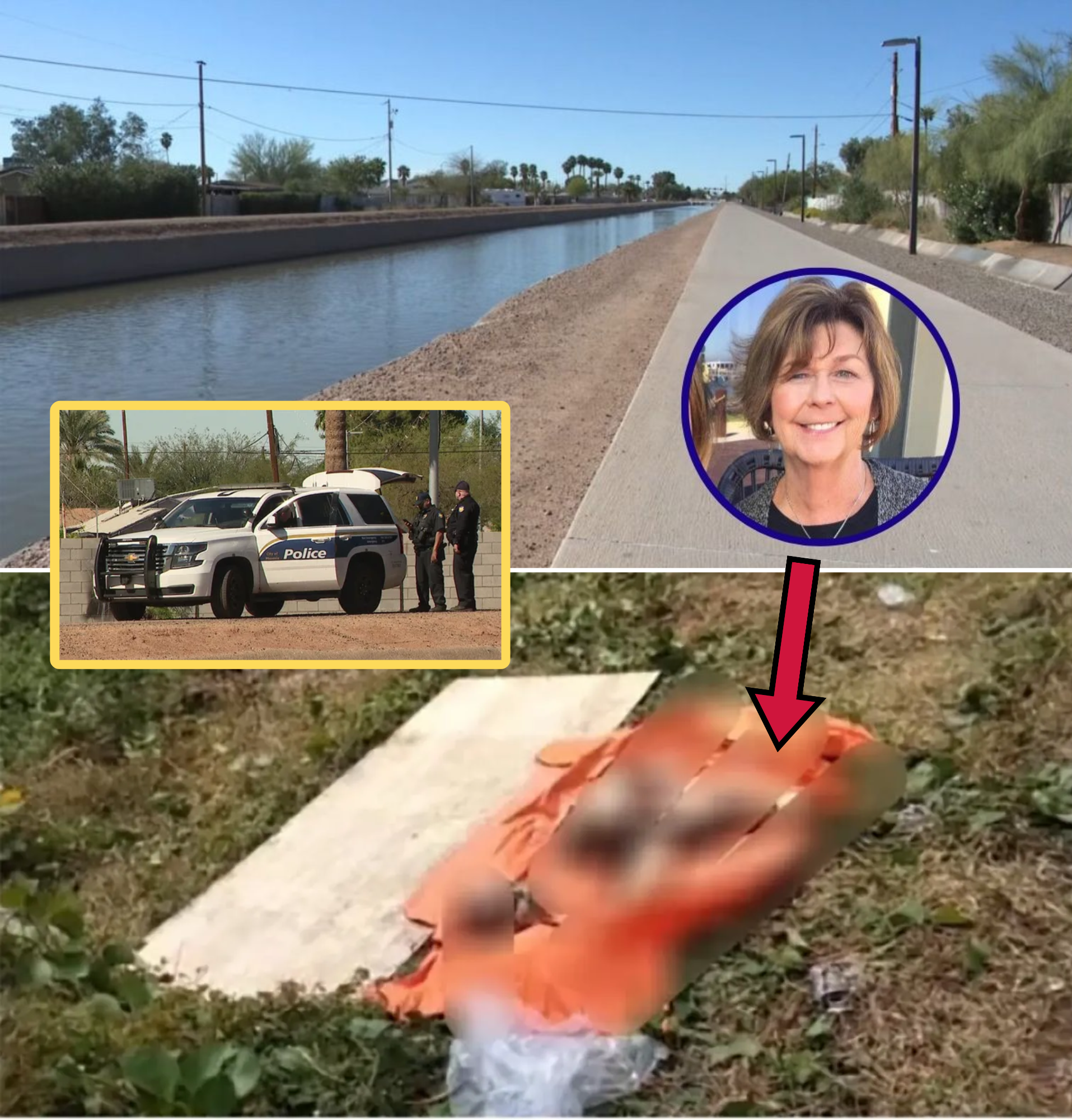
A grim discovery along a Phoenix canal has sent shockwaves through the ongoing search for Nancy Guthrie, the 84-year-old mother of Today show co-anchor Savannah Guthrie, whose disappearance from her Tucson-area home has gripped the nation since early February. On March 6, Phoenix Police responded to reports of an unresponsive adult female on the bank of the Grand Canal near 27th Place and Grand Canal Trail around 7:40 a.m. Officers arrived to find the woman deceased at the scene, prompting an immediate death investigation. While the woman’s identity remains unreleased and no cause of death has been publicly disclosed, the timing and location—more than 110 miles north of where Guthrie was last seen—sparked immediate speculation online and in media circles about a possible connection.
Nancy Guthrie vanished from her Catalina Foothills residence on February 1 in what investigators have increasingly treated as a potential abduction. Authorities discovered signs of disturbance at the home, including blood believed to be hers on the porch and DNA evidence on a glove found roughly two miles away. The Pima County Sheriff’s Office, leading the probe with FBI assistance, has pursued leads suggesting foul play, including surveillance footage from the night she went missing and interviews with neighbors. Despite extensive searches, including heavy police presence around her property and offers of assistance from entities like the U.S. Navy, no trace of Guthrie had surfaced until this latest development.
The Phoenix find immediately fueled theories across social media and news outlets. Many wondered if the body could belong to the missing matriarch, given the canal system’s connectivity across Arizona and the possibility that an abductor might have transported remains northward. Speculation intensified because Phoenix lies along potential travel routes from Tucson, and canals have historically been sites for disposing of evidence in criminal cases. Fans of the Guthrie family, already following Savannah’s emotional updates and the Today show’s subtle acknowledgments, flooded comment sections with prayers, theories, and demands for swift identification.
However, official responses moved quickly to temper expectations. The Pima County Sheriff’s Department issued a statement clarifying that it had not been notified of any link between the Phoenix discovery and the Guthrie investigation. Phoenix Police described the incident as a standalone death probe, with no preliminary evidence tying it to the southern Arizona case. Sources close to the inquiry emphasized the distance, differing circumstances, and lack of immediate forensic matches as reasons to avoid premature conclusions. The woman’s age, appearance, and other details have not been shared publicly, leaving open the possibility she is unrelated—a victim of separate circumstances such as an accident, overdose, or unrelated foul play common in urban waterway incidents.
The Guthrie disappearance itself has evolved into a high-profile mystery blending celebrity involvement with true-crime intrigue. Savannah Guthrie has largely remained silent publicly beyond initial pleas for information, though colleagues like Hoda Kotb have offered support on air. The family has cooperated fully with law enforcement, who continue to describe the case as active and complex. Recent developments included FBI agents revisiting neighbors and reports of reduced manpower in some search areas, prompting criticism from some observers who feel urgency has waned. Despite these challenges, authorities insist the investigation remains robust, with DNA leads still under analysis.
This latest body discovery underscores the emotional toll on families in missing-persons cases, where every unidentified remain or potential clue reignites hope and dread simultaneously. For the Guthries, the wait has stretched over a month, marked by sleepless nights, public scrutiny, and the relentless uncertainty of not knowing whether Nancy is alive or what befell her. Community vigils in Tucson continue, with residents holding signs and sharing memories of the beloved grandmother known for her warmth and resilience.
As forensic teams work to identify the Phoenix woman—potentially through dental records, fingerprints, or DNA—the broader search for Nancy presses on. Investigators urge anyone with information to come forward, emphasizing that even small details could prove pivotal. The canal incident, while unconfirmed as related, serves as a stark reminder of Arizona’s vast landscape and hidden dangers, where answers often emerge slowly and painfully.
Public fascination with the case reflects deeper societal concerns: the vulnerability of the elderly, the challenges of abduction investigations in sprawling regions, and the intersection of private grief with media amplification. Savannah Guthrie’s position as a trusted national broadcaster adds layers of empathy from viewers who feel personally invested. Whatever the outcome of the Phoenix inquiry, it has refocused attention on the urgent need for resolution in the Guthrie case.
For now, hope persists amid the heartbreak. Nancy’s family clings to the possibility she will be found safe, while preparing for the hardest truths. The discovery along the canal—whether coincidence or cruel twist—has deepened the mystery, reminding everyone that in cases like this, silence from authorities often speaks volumes, and answers rarely come quickly. As the investigation unfolds, the nation watches, prays, and waits for the moment clarity finally arrives.