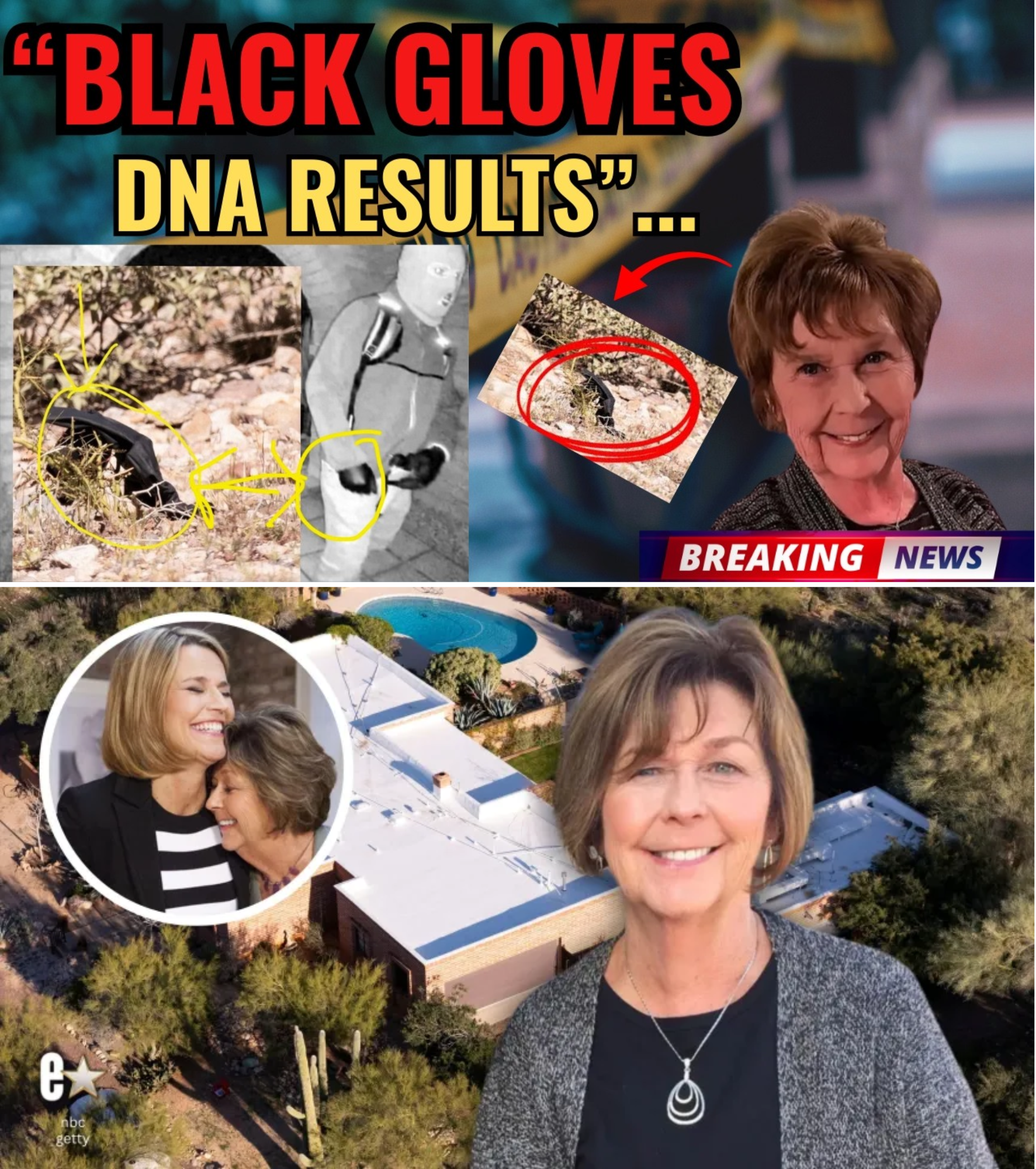
A pair of black gloves discovered 1.5 miles from Nancy Guthrie’s Catalina Foothills home in Tucson, Arizona, has undergone DNA testing that sources describe as a potential game-changer in the investigation into the 84-year-old’s February 1, 2026, abduction. The gloves match the type worn by the masked individual captured on FBI-recovered surveillance footage systematically disabling her Nest doorbell camera at 1:47 a.m. and disconnecting her pacemaker monitoring app at 2:28 a.m. The location of the find—close enough to suggest proximity to the crime scene but far enough to indicate deliberate disposal—points to a perpetrator who fled using a vehicle and sought to distance incriminating items from the property.
Nancy Guthrie was last seen alive at 9:50 p.m. on January 31, 2026, when her son-in-law Tomaso Chion dropped her off after a family gathering. She failed to attend church the next morning, prompting a welfare check. Relatives arrived around noon on February 1 and discovered blood on the front porch, immediately raising alarms. The Pima County Sheriff’s Department classified the case as a kidnapping, with blood confirmed through DNA testing as belonging to Nancy. No signs of forced entry appeared inside the home, but the violent nature of the scene—blood spatter suggesting struggle—indicated she was taken against her will.
The FBI’s Operational Technology Division recovered critical footage from the Nest camera despite tampering. Enhanced images show a masked male, approximately 5’9″ to 5’10” tall with an average build, wearing dark clothing, gloves, and carrying a black 25-liter Ozark Trail Hiker Pack backpack. The suspect appears to approach deliberately, disable the device, and move across the property before vanishing. Movement was detected at 2:12 a.m., followed by the pacemaker app disconnection at 2:28 a.m., cutting off remote monitoring of her vital signs.
The black gloves surfaced during expanded searches in desert terrain and roadside areas near the home. Found in a location consistent with hasty disposal—possibly a drainage ditch, roadside vegetation, or open land—the items were photographed in place, collected in evidence bags, and transported under chain-of-custody protocols to the FBI laboratory. Forensic analysts swabbed both interior surfaces (where the wearer’s hands contacted the fabric, depositing skin cells, sweat, and oils) and exterior surfaces (potentially carrying transfer DNA from Nancy via blood, skin contact, or struggle).
DNA extraction involved standard procedures: swabbing with sterile tools, amplifying genetic material via PCR, and analyzing short tandem repeat (STR) markers for profiling. The interior profile could identify the wearer directly through touch DNA, while the exterior might yield a mixture including Nancy’s if physical contact occurred during the abduction. Sources indicate the results revealed a profile now compared against known samples from persons of interest, database hits via CODIS, or new leads for genetic genealogy if no direct match emerges. The implications are profound: a solid forensic link could establish probable cause for arrest, especially when paired with the surveillance match and evidence from six searches of a connected property.
Investigators have conducted multiple operations at a residence linked to a person of interest, though no arrests followed initial detentions. A silver Range Rover with obscured plates was towed from a nearby fast-food lot during a SWAT raid on February 13, wrapped for evidence protection. Earlier stops near the U.S.-Mexico border and traffic checks south of Tucson led to releases after questioning, but the glove discovery refocuses attention on trace evidence over vehicle leads.
Ransom communications complicated the probe. Notes sent primarily to TMZ and local outlets demanded Bitcoin payments with threats, including vague international warnings. A small transaction of about $152 traced to one referenced wallet offered no resolution. Savannah Guthrie publicly refused negotiation without verifiable proof of life, highlighting her mother’s dependence on daily heart medications and pacemaker function. No further ransom contact occurred after the February 9 deadline, shifting emphasis from rescue to building a criminal case.
The $100,000 FBI reward—doubled from initial amounts—continues drawing tips, with over 30,000 received since early February. Public appeals urge verifiable leads via dedicated lines, while officials dismiss unconfirmed speculation. Sheriff Chris Nanos expressed confidence in forensic progress, including out-of-state lab analysis for expedited DNA results, and reiterated belief Nancy could still be alive despite the time elapsed.
The glove evidence underscores forensic realities: gloves prevent fingerprints but not DNA transfer. Sweat and skin cells persist on interiors, while exteriors capture touch or biological material from victims. Arizona’s dry desert climate aided preservation, making recovery viable weeks later. The 1.5-mile distance suggests calculated disposal—far enough to avoid immediate association but close enough for quick abandonment, possibly indicating familiarity with the area or limited escape options.
Community response in Catalina Foothills remains vigilant. Door-to-door canvassing, desert sweeps, and neighborhood surveillance reviews continue. The case has spotlighted vulnerabilities for elderly residents in upscale areas: reliance on home security that can be disabled remotely, medical dependencies that limit survival windows, and the role of digital evidence in modern abductions.
For Savannah Guthrie and siblings, the DNA breakthrough offers cautious hope amid anguish. Her social media pleas maintain focus on actionable tips while thanking supporters. As the investigation presses into its third week, the gloves stand as a tangible bridge between suspect and crime—potentially the forensic thread that unravels the mystery and brings Nancy home, or justice if the worst fears prove true.