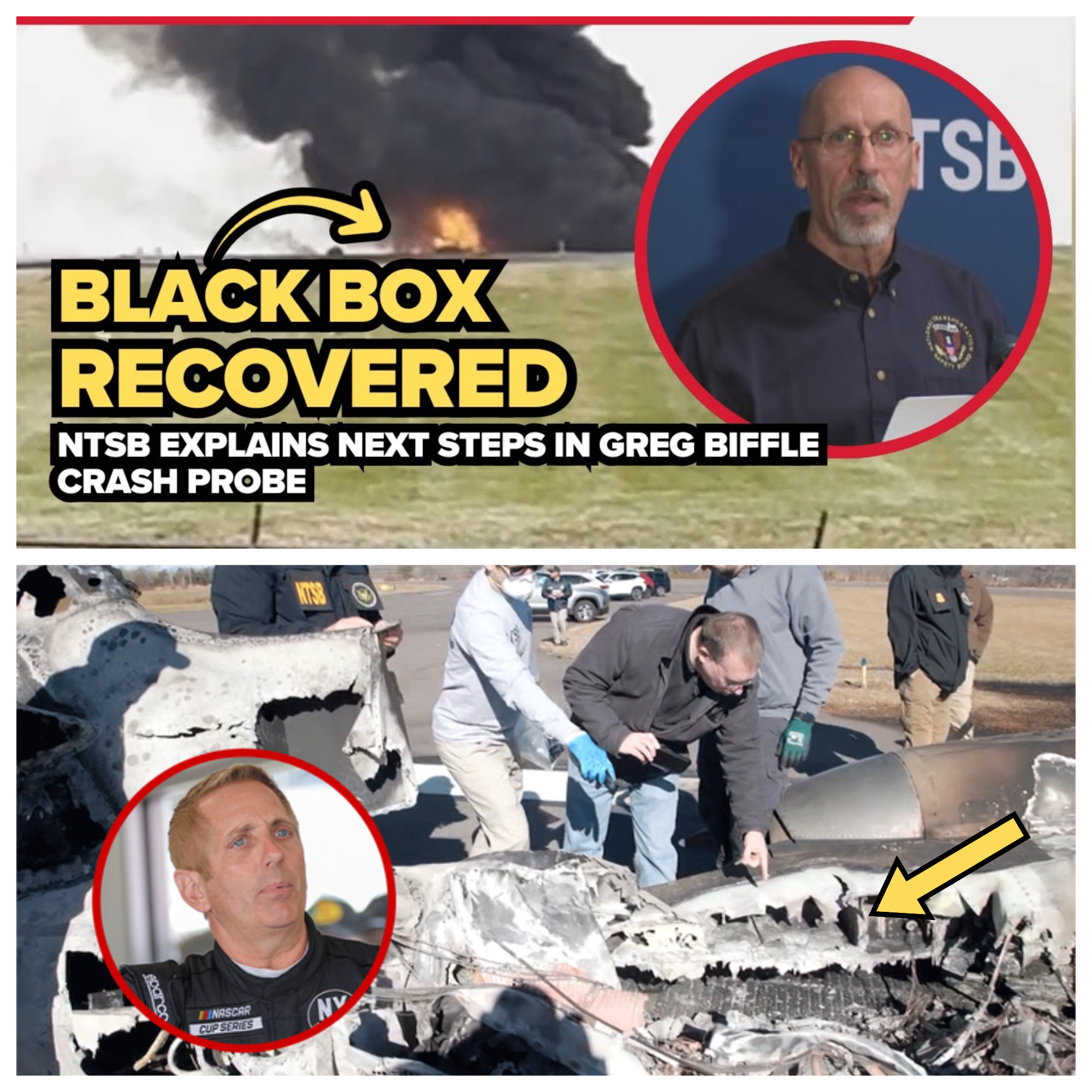
The investigation into the tragic December 18, 2025, plane crash that killed NASCAR legend Greg Biffle, his family, and three others has taken a pivotal turn with the recovery of the aircraft’s cockpit voice recorder—commonly known as the “black box.” Federal investigators announced the breakthrough during briefings, as they piece together the final moments of the Cessna C550 jet’s doomed flight from Statesville Regional Airport in North Carolina.
Greg Biffle, 55, a celebrated champion with titles in NASCAR’s Truck and Xfinity Series and 19 Cup Series wins, perished alongside his wife Cristina, their 5-year-old son Ryder, 14-year-old daughter Emma, family friend Craig Wadsworth, and Dennis Dutton with his son Jack. The group was heading to Sarasota, Florida, for a birthday celebration when disaster struck.
The flight lasted just 10 minutes. Taking off around 10:05 a.m. amid drizzle and low clouds, the plane made a left turn before abruptly circling back toward the airport. It struck approach lights, trees, and a fence about 1,800 feet short of the runway, erupting into flames upon impact. No mayday call was issued to air traffic control.
In a heartbreaking revelation, NTSB officials confirmed a passenger sent a desperate text—”emergency landing”—to a relative moments before the crash. Separately, Cristina Biffle texted her mother Cathy, “We’re in trouble,” underscoring the sudden panic aboard. These messages highlight the rapid onset of distress, with no other communications reported.
The recovered device is the cockpit voice recorder (CVR), which captures audio from the flight deck. The 1981 Cessna was not required to have a flight data recorder, so the CVR—now en route to NTSB labs in Washington, D.C.—is crucial for understanding cockpit conversations and sounds in those final seconds. Investigators have also secured avionics equipment, engines, and maintenance logs for analysis.
Three licensed pilots were on board, including Biffle—a seasoned aviator who flew humanitarian missions after Hurricane Helene—and the Duttons. It’s unclear who was at the controls or why the urgent return was needed. Weather, including low visibility and precipitation, remains a focus, though the airport was under visual flight rules at departure.
A 16-member NTSB team has documented the wooded crash site, recovering major components amid scattered debris. Witnesses described the plane approaching too low, its landing lights on but unable to clear obstacles. The agency seeks additional videos or photos from the public to refine the approach path.
Biffle’s legacy as a fierce competitor and generous philanthropist endures. Tributes highlight his family devotion and community impact. This tragedy echoes motorsports’ painful aviation history, reminding of life’s precariousness.
As the probe continues—a preliminary report due in 30 days, full findings in 12-18 months—families mourn profound loss. The black box holds potential answers to what turned a routine flight into catastrophe.