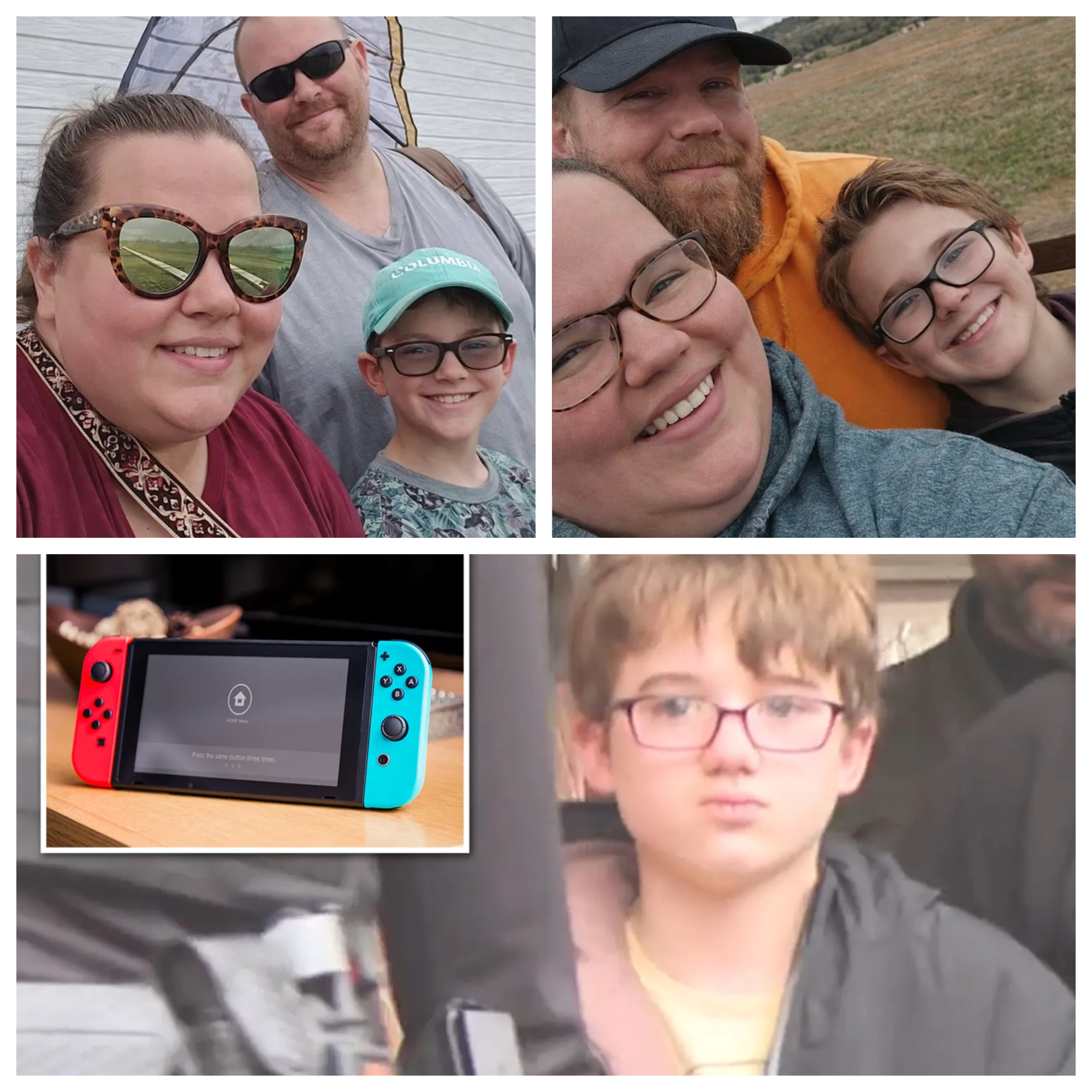
A Pennsylvania mother has opened up about the devastating night her 11-year-old adopted son allegedly shot and killed her husband, turning their son’s birthday celebration into an irreversible tragedy. Jillian Dietz, in her first public comments to The US Sun, described the overwhelming grief that has consumed her since January 13, 2026, when Clayton Dietz is accused of fatally shooting his adoptive father, Douglas Dietz, 42, in their Duncannon home. The incident, unfolding just hours after the family sang happy birthday around midnight, has left Jillian “inconsolable,” grappling with the loss of her husband and the reality that her son now faces adult homicide charges.
Court documents and police affidavits detail a sequence that began with routine discipline. Douglas had confiscated Clayton’s Nintendo Switch earlier that evening for misbehavior and sent the boy to bed. Upset over the punishment, Clayton later entered the master bedroom through a connecting closet, intending to search for the console—possibly hidden in the gun safe. Finding the safe key in his father’s drawer, he opened it, retrieved a revolver, loaded bullets, approached Douglas’s sleeping form, cocked the hammer, and fired once into his head.
Jillian woke to a loud bang she initially mistook for fireworks, along with the acrid smell of gunpowder. Attempting to wake her husband, she found him unresponsive and turned on the light to discover blood. As shock set in, Clayton entered shouting, “Daddy’s dead.” In the kitchen shortly after, while police arrived, officers overheard Clayton tell his mother, “I killed Daddy.” During questioning, the boy admitted he was angry, had specifically targeted his father, loaded the gun, and fired without fully thinking through the outcome, stating simply that he was mad.
The family had adopted Clayton in 2018, integrating him into their quiet rural life in Perry County. Neighbors portrayed Douglas and Jillian as kind, private people with no outward signs of major turmoil. The Susquenita School District provided counseling for affected students, recognizing the ripple effects in their tight-knit community. Douglas worked steadily, and the couple focused on providing stability for Clayton, making the sudden violence all the more jarring.
Clayton was charged with criminal homicide and tried as an adult—a move his attorney seeks to challenge, arguing for juvenile court handling given his age and potential mental health factors. He waived his preliminary hearing in February 2026, appearing handcuffed and flanked by probation officers at the Perry County Courthouse. Bail was denied, and he remains in county prison awaiting trial. Authorities stressed the gun was stored in a locked safe, but the key’s accessibility proved fatal.
Jillian’s interview reveals a mother torn between profound loss and lingering love for her son. She described the birthday as positive—cake, songs, family togetherness—making the escalation incomprehensible. Her grief centers on the double devastation: mourning Douglas, a devoted husband and father figure, while facing the prospect of Clayton’s long-term consequences in the adult system. She expressed regret over any missed warning signs, wondering how a moment of childish anger spiraled into irreversible harm. Despite the horror, she affirmed her support for Clayton, emphasizing that her love endures even amid the pain.
The case has ignited discussions on multiple fronts. Gun safety advocates highlight the dangers of accessible keys in homes with children, even when safes are used. Juvenile justice reformers question trying an 11-year-old as an adult, citing developmental immaturity and the need for rehabilitation over punishment. Mental health experts point to the impulsivity of pre-adolescents under emotional stress, urging earlier intervention for anger management or family counseling. No prior violent behavior from Clayton was documented publicly, adding layers of mystery to what triggered such extreme action.
Community response has been one of shock and sorrow. Vigils and support networks have formed in Duncannon, with residents reflecting on how rural tranquility can mask underlying tensions. The Nintendo Switch, a common parenting tool for discipline, became a tragic flashpoint—symbolizing how everyday conflicts can escalate when lethal means are within reach.
For Jillian, daily life is now defined by absence and unanswered questions. She navigates the legal proceedings while processing trauma that no parent should face. Her words convey raw vulnerability: a woman who once built a family through adoption now watches it unravel in courtrooms and headlines. The surviving family member’s path forward involves therapy, community aid, and the slow work of healing amid profound guilt and sorrow.
This tragedy underscores the fragility of family dynamics and the critical need for secure firearm storage, emotional support for children, and balanced juvenile justice. As proceedings continue, Jillian’s courage in speaking out offers a glimpse into the human cost—where one impulsive act destroys lives and leaves enduring scars. In a small town forever changed, the story serves as a somber warning: even the smallest disputes can carry devastating weight when anger meets opportunity.