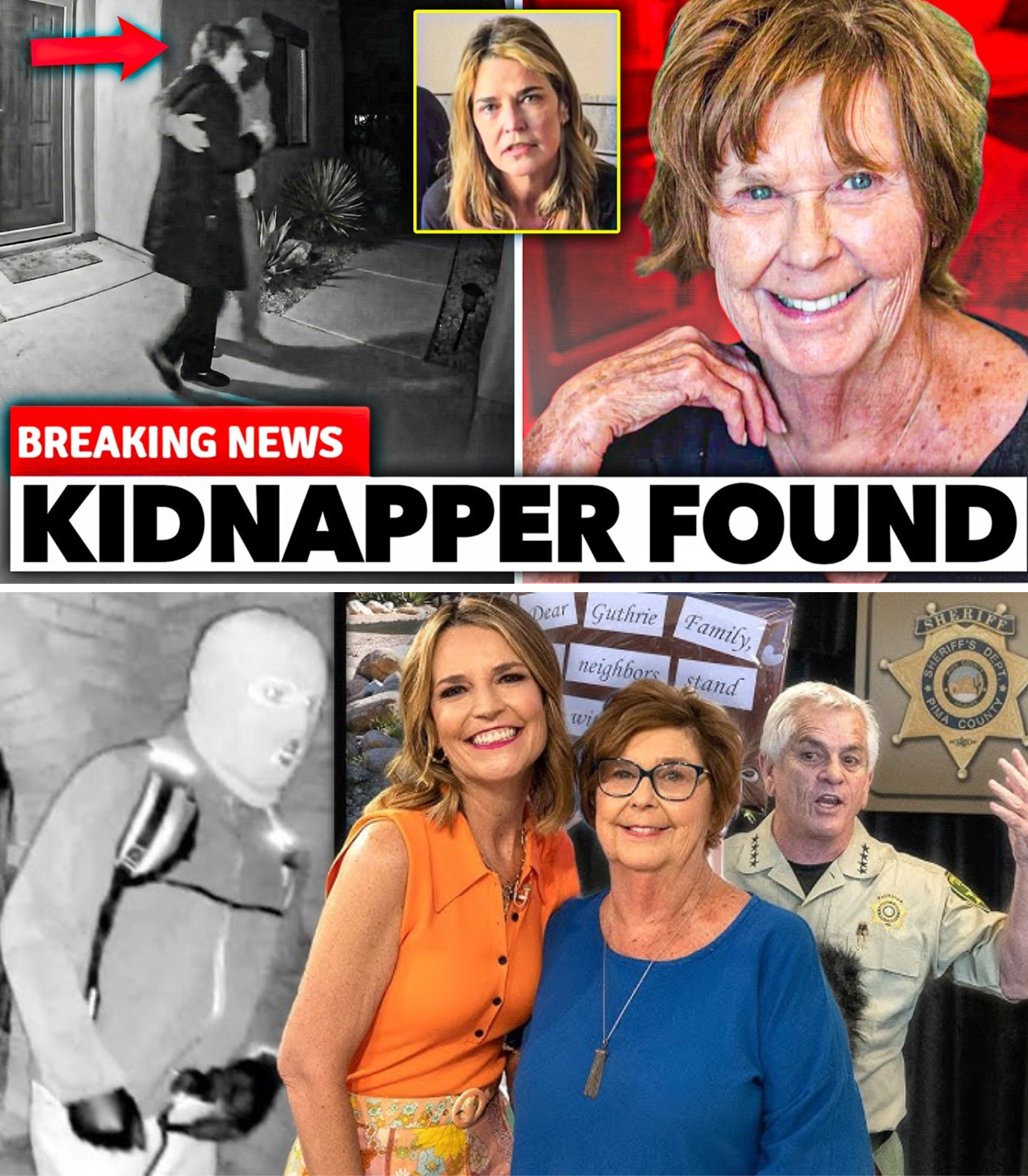
Explosive claims are swirling that previously inaccessible or potentially withheld doorbell camera footage from the home of 84-year-old Nancy Guthrie has now leaked or been referenced as “banned,” fueling speculation about what authorities might have tried to conceal in the ongoing investigation into her February 1, 2026, abduction from her Tucson, Arizona residence. The footage, originally recovered by the FBI from “residual data in backend systems” after initial reports deemed it overwritten or inaccessible due to no active subscription on the Google Nest device, shows a masked, gloved individual approaching the porch around 2:12 a.m., attempting to obscure the lens with a hand and then vegetation pulled from the yard, while appearing to carry a holstered firearm.
The controversy intensified with suggestions that certain segments—possibly including audio captured post-tampering via residual battery power—or anomalous elements like frame skips and missing timestamps were deliberately downplayed or restricted from full public release. Cybersecurity discussions highlight how Nest cameras can retain short audio buffers even after disconnection, potentially holding voices, footsteps, or vehicle sounds from the critical 25-minute window between the 1:47 a.m. disconnection and later motion detection. Yet, only silent, black-and-white video snippets totaling about 44 seconds have been officially shared, prompting questions over whether fuller recordings exist and why they remain unreleased.
The FBI’s Phoenix Field Office, in collaboration with Pima County Sheriff’s deputies, released enhanced suspect details on February 12: a male 5’9″ to 5’10” tall, average build, wearing a distinctive black 25-liter (or 24-liter) Ozark Trail Hiker Pack backpack. This description stemmed from forensic analysis by the bureau’s Operational Technology Division, which also processed partial biometrics like eye spacing and facial contours despite the mask, cross-referenced via the Next Generation Identification (NGI) system and databases including DMV records. The reward climbed to $100,000 for tips leading to Nancy’s recovery or arrests, amid nearly 18,000 submissions overwhelming tip lines.
Physical evidence continues to accumulate. Multiple black gloves recovered from desert searches near the Catalina Foothills home and along roads like Campbell Avenue have undergone DNA testing, though links to the suspect or Nancy remain pending confirmation. Protective evidence tents dot key sites, including the porch where blood matching Nancy’s DNA was found, underscoring her vulnerability—she relies on daily heart medications, a pacemaker, and mobility aids, making prolonged absence life-threatening.
Surveillance from nearby Ring cameras adds layers: one clip from about five miles away at 1:52 a.m. captures a man with similar backpacks attempting a locked gate, timed eerily close to the home disruption. Authorities via Ring’s Neighbors app solicited footage from January 11 (9 p.m. to midnight) and early January 31 to February 1, seeking pre-abduction scouting. Unofficial efforts, like forensic artist Lois Gibson’s sketch based on visible eyes and lips/mustache (admitting guesses for masked areas), have circulated on social media, though not endorsed officially.
Ransom dynamics complicate matters further. Multiple bitcoin demands, including figures around $67,000 sent to media, surfaced with mixed authenticity—one note complained of dismissal, while fake communications led to a man’s brief court appearance and release pending trial. No verified proof-of-life exists, yet Savannah Guthrie and siblings publicly affirm belief in Nancy’s survival, sharing emotional Instagram tributes with vintage family videos captioned with unwavering resolve: “We will never give up on her. Bring her home.”
Tensions between agencies emerged in reports that the Pima County Sheriff initially restricted FBI access to certain evidence like gloves, opting for private labs over federal facilities, though collaboration persists. Experts analyzing released clips note amateurish errors—partial camera sabotage, visible holster, improvised cover—suggesting inexperience, yet premeditation through armament, timing, and security targeting.
The “banned” narrative gained traction amid privacy debates: how Google assisted in recovering data from a non-subscribed Nest device raises questions about backend retention policies and potential overreach. Some online analyses claim footage inconsistencies, like odd frame skips or absent timestamps, hint at editing or suppression, though no concrete proof substantiates deliberate hiding by the FBI. Instead, recovery involved painstaking work with tech partners to extract residual fragments after disconnection.
Savannah’s pleas amplify urgency, directing tips to 1-800-CALL-FBI, tips.fbi.gov, or sheriff lines while posting heartfelt content to sustain hope. The case grips national attention, blending high-profile family ties with modern forensics—cell pings, telemetry, digital traces—and old-school grid searches across rugged terrain.