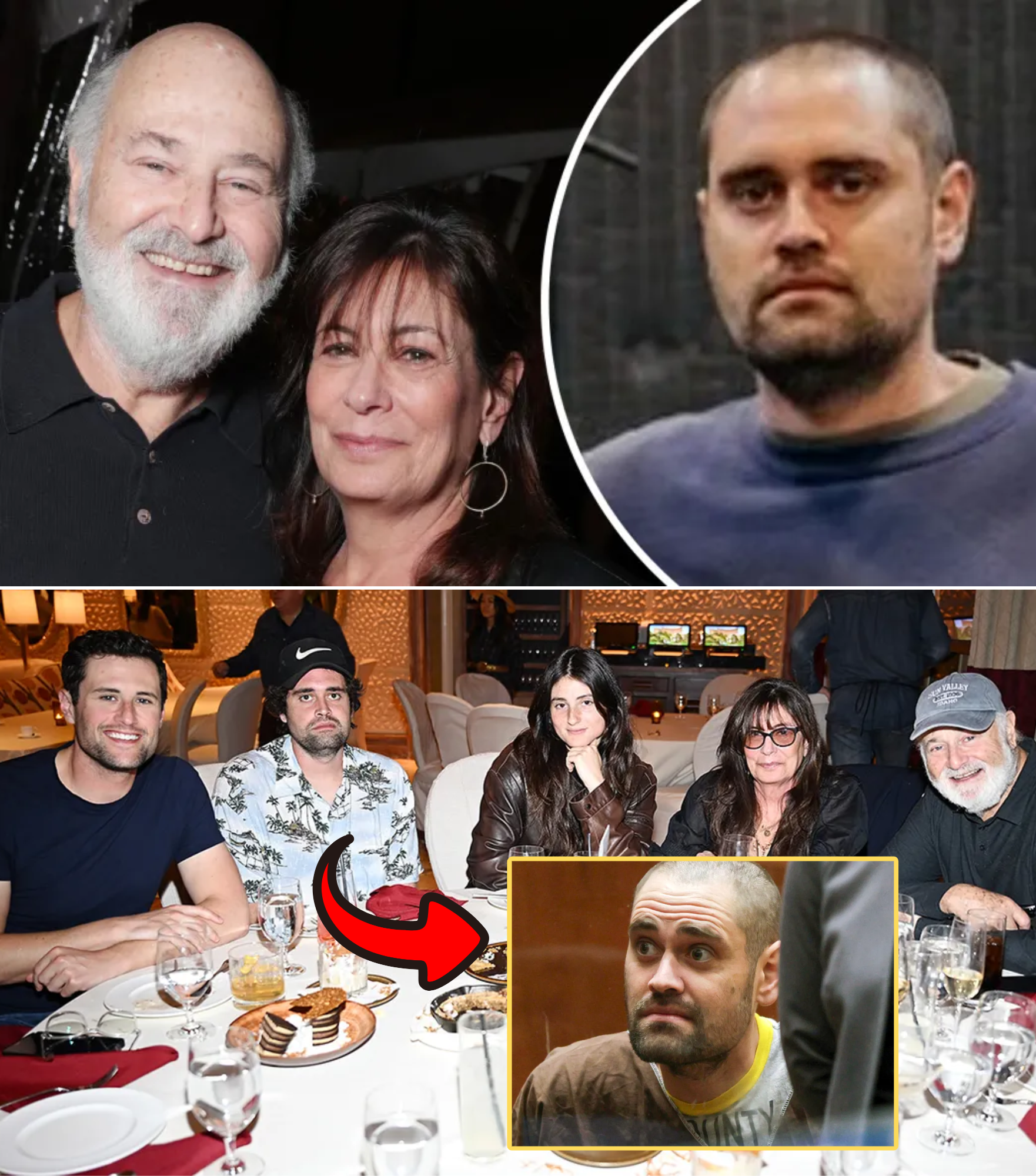
The full autopsy report on Rob Reiner and Michele Singer Reiner has finally pierced through the layers of denial presented by their son, Nick Reiner, during his recent arraignment. While Nick, 32, entered a firm not guilty plea to two counts of first-degree murder with special circumstances—including the personal use of a knife—the detailed forensic findings paint a starkly different picture from any narrative of innocence he might have hoped to maintain.
Rob Reiner, the legendary Hollywood director behind classics like “When Harry Met Sally…,” “A Few Good Men,” and “Stand by Me,” and his wife Michele, a respected photographer, were discovered stabbed to death in their upscale Brentwood home on December 14, 2025. Initial reports from the Los Angeles County Medical Examiner described the cause of death as “multiple sharp force injuries,” confirming homicide by stabbing. The couple, aged 78 and 70 respectively, died from wounds inflicted in what authorities described as a ferocious early-morning attack. Prosecutors allege Nick fatally stabbed both parents before fleeing the scene.
Despite Nick’s adamant denial in court on February 23, 2026, the comprehensive autopsy documentation—long anticipated and referenced repeatedly by prosecutors—reveals inconsistencies that undermine his position. Sources close to the investigation indicate the report details defensive wounds on both victims, suggesting a struggle rather than any accidental or external intrusion. The precise nature and angle of the stab wounds point to an assailant with close proximity and familiarity, consistent with someone from within the household. Toxicology and time-of-death estimates further align with the timeline prosecutors laid out: the killings occurred in the pre-dawn hours of December 14, after which Nick allegedly left the residence.
Nick’s history adds crucial context to the unfolding tragedy. He has long battled severe mental health issues, including a documented diagnosis of schizoaffective disorder and a staggering record of nearly twenty rehabilitation stints. Family members and associates have described periods of erratic behavior, including property destruction, theft of medications, and manipulative tendencies noted even by medical professionals. Rob Reiner himself had previously spoken publicly about the challenges of supporting an adult child with such profound struggles, including placing Nick under a mental health conservatorship in 2020. Reports suggest Nick was “off the rails” around the time of the incident, possibly influenced by medication changes or substance issues, though no official motive has been confirmed.
At the arraignment, Deputy District Attorney Habib Balian emphasized that while earlier preliminary findings were public, the complete autopsy report provides the forensic backbone prosecutors needed. It reportedly includes detailed wound mapping, blood spatter analysis, and evidence of the knife’s characteristics matching items from the home. These elements directly contradict any claim of non-involvement or alternative perpetrators. The report’s delay—due in part to a security hold by the LAPD and ongoing investigative needs—had kept some specifics under wraps, but its completion has strengthened the case against Nick, who remains held without bail.
The broader implications ripple far beyond the courtroom. This case highlights the devastating intersection of celebrity, family dysfunction, and untreated severe mental illness. Rob and Michele Reiner were not just Hollywood icons; they were parents who had spent decades navigating the complexities of supporting a troubled son. Siblings Jake and Romy Reiner released a statement expressing unimaginable grief, focusing on the profound loss without directly addressing Nick’s culpability. The family’s pain underscores a larger societal conversation about mental health resources, the limits of parental intervention, and the tragic outcomes when crises escalate unchecked.
Legal experts note that Nick’s not guilty plea is standard at this early stage, preserving options for future defenses—potentially including diminished capacity, insanity, or challenges to evidence admissibility. However, with the autopsy report now in play, prosecutors appear positioned to demonstrate premeditation or extreme indifference, factors that could elevate the charges further. If convicted as charged, Nick faces life without parole or even the death penalty, though the district attorney’s office has not yet decided on seeking capital punishment.
As the case heads toward preliminary hearings and potential trial, the forensic truth laid bare in the autopsy stands in stark opposition to Nick’s courtroom assertions. What began as a shocking Hollywood family tragedy has evolved into a grim reminder that some denials, no matter how forcefully stated, cannot withstand the cold precision of medical science. The full details continue to emerge, but the report’s revelations have already shifted the narrative decisively against the accused.