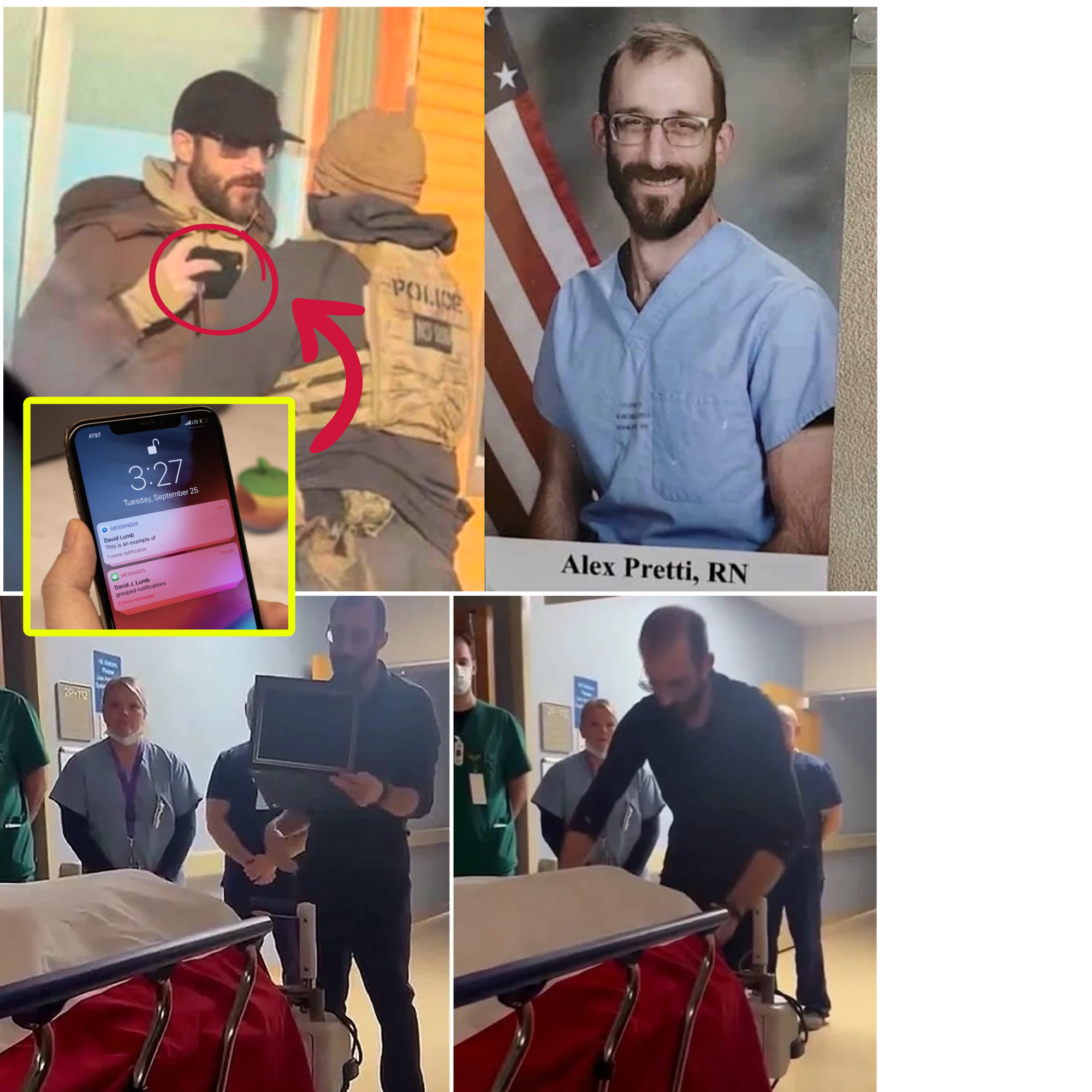
The fatal shooting of Alex Jeffrey Pretti, a 37-year-old ICU nurse at the Minneapolis VA Health Care System, by U.S. Border Patrol agents on January 24, 2026, continues to fuel intense debate, with his family publicly challenging the federal narrative and highlighting the last two text messages he sent in his final moments. Pretti, a dedicated caregiver who specialized in critical care for veterans, was killed during a confrontation amid immigration enforcement operations in the city. His relatives insist he was unarmed in the decisive seconds, holding only his phone while attempting to assist a woman pushed to the ground, and that the circumstances demand far greater scrutiny than the official account provides.
Pretti’s parents, Michael and Susan Pretti, have been vocal in their grief and anger, issuing statements that describe their son as a “kindhearted soul” who lived to help others—both through his nursing work and in standing against what he saw as injustice. They have denounced federal claims as “sickening lies” and “reprehensible,” pointing to video evidence and eyewitness accounts that contradict assertions of violent resistance or an immediate threat. In their statements, shared widely through media outlets, they emphasize Pretti’s actions in those critical moments: phone in his right hand, empty left hand raised—possibly in surrender or to shield the woman—while being pepper-sprayed and tackled by multiple officers.
The family’s focus on Pretti’s final two text messages has amplified calls for transparency. While the precise wording has not been publicly released in full detail, relatives have indicated these messages were sent amid the escalating chaos and reflected urgency, concern for others, and perhaps instructions or farewells tied to the unfolding danger. One message reportedly urged family members to “tell my parents” something significant—potentially about his intentions, the situation, or a plea for protection. These texts, dispatched in the minutes before gunfire, suggest Pretti remained composed enough to communicate, prioritizing others even as threats mounted. The family argues this evidence portrays a man focused on aid and connection, not aggression, raising profound questions about the sequence of events and decision-making by agents.
Multiple bystander videos, verified by outlets like NBC News and NPR, appear to align with the family’s account. Footage shows Pretti near the scene, not directly confronting agents initially, and holding what resembles a phone rather than a firearm. Witnesses describe him moving to help a woman who had been shoved down, with no clear indication of reaching for or displaying his legally permitted 9mm handgun. One court filing from an eyewitness states Pretti “didn’t look like he was trying to resist, just trying to help [a] woman up.” Videos suggest an officer removed a gun from him shortly before shots were fired—multiple rounds, including at least one to the back while he was pinned face-down. No verified footage has emerged showing Pretti brandishing or firing the weapon, despite federal assertions that he approached armed and resisted disarming.
Pretti’s professional life adds layers of tragedy. As an ICU nurse at the VA hospital, he worked under high-pressure conditions to save lives, particularly those of military veterans. Organizations such as the American Nurses Association, National Nurses United, and others have mourned his loss, calling for thorough, independent investigations. The ANA expressed being “deeply disturbed” and urged prompt sharing of findings, while nursing unions have framed the incident within broader concerns about federal enforcement tactics.
The shooting unfolded during intensified immigration operations in Minneapolis, part of broader federal actions that sparked protests. Pretti, a U.S. citizen with no criminal history, had participated peacefully in demonstrations. His family learned of his death through a journalist rather than official channels, heightening their sense of injustice. Minnesota authorities have contested federal narratives, securing a temporary restraining order to preserve evidence and labeling some claims “nonsense.”
The last texts have become symbolic in public discourse. They humanize Pretti as someone who, even in peril, thought of family and others—contrasting sharply with portrayals of him as a threat. Speculation swirls about their content: Were they warnings about the situation? Expressions of love or final thoughts? Or evidence of his awareness that things were turning deadly? Without full disclosure—particularly if Pretti’s phone remains in federal custody—these messages fuel demands for bodycam footage, complete autopsy results, and unhindered review.
Vigils continue at the site on 26th Street and Nicollet Avenue, with tributes honoring Pretti as a healer who died trying to protect someone vulnerable. Healthcare workers, still scarred by pandemic challenges, grieve deeply at losing a colleague to violence. Social media amplifies calls for justice, sharing Pretti’s story as that of an everyday hero caught in extraordinary circumstances.
Investigations proceed amid conflicting accounts. Federal officials maintain the agent acted in self-defense, but state and independent evidence challenges that. Pretti’s parents continue pleading: “Please get the truth out about our son. He was a good man.” As pressure mounts for clarity, those final texts stand as a poignant reminder of a life cut short and the unanswered questions that linger in its wake—questions that may ultimately redefine how this tragedy is remembered.
News
Driver Breaks Silence on Deep River Crash — Claims “Short Argument” with Rico Montes Caused the Truck to Flip.
The driver of the black pickup truck involved in the fatal Deep River crash has finally spoken publicly for the first time since the March 2026 incident that claimed the…
Phone Recovered from Deep River Still Trying to Send Final Location — The Last Desperate Act of Rodrigo “Rico” Montes.
In the early hours of March 23, 2026, 18-year-old high school senior Rodrigo “Rico” Montes made one final, heartbreaking attempt to reach his family. As police divers searched the murky…
“Mom, I’m Riding Home With a Friend, See You Soon” — The Final Text Before Rodrigo “Rico” Montes Was Found in the Overturned Truck in Deep River.
On a quiet Sunday night in March 2026, 18-year-old Rodrigo “Rico” Montes sent his mother a simple, reassuring text that would become the last words she ever received from her…
The Black Bag in the Ravine: Chilling Discovery in the Death of American Airlines Flight Attendant Eric Gutierrez.
The tragic case of 32-year-old American Airlines flight attendant Eric Fernando Gutierrez Molina took an even darker turn as investigators in Colombia recovered a black bag linked to the missing…
The Secret Weekend Pattern: How the FBI’s Latest Breakthrough May Finally Trap Nancy Guthrie’s Abductor.
As March 2026 draws to a close, the disappearance of 84-year-old Nancy Guthrie from her home in Tucson’s Catalina Foothills has entered its 55th day with no arrest and no…
The Insider Who May Have Opened the Door: FBI Hunts for the Person Who Knew Nancy Guthrie’s Home Too Well.
In the affluent Catalina Foothills neighborhood of Tucson, Arizona, where residents often leave garage doors open and security feels routine, the abduction of 84-year-old Nancy Guthrie on the night of…
End of content
No more pages to load