The fatal shooting of 37-year-old ICU nurse Alex Jeffrey Pretti by U.S. Border Patrol agents in Minneapolis on January 24, 2026, has ignited widespread outrage, with his family publicly refuting the Department of Homeland Security’s account and releasing details about his final moments that raise serious questions. Pretti, a dedicated registered nurse at the Minneapolis VA Health Care System who specialized in caring for critically ill veterans, was killed amid a chaotic confrontation during federal immigration enforcement operations. His loved ones insist he posed no threat, was unarmed in the critical seconds before gunfire, and was simply attempting to assist a woman who had been pushed to the ground.
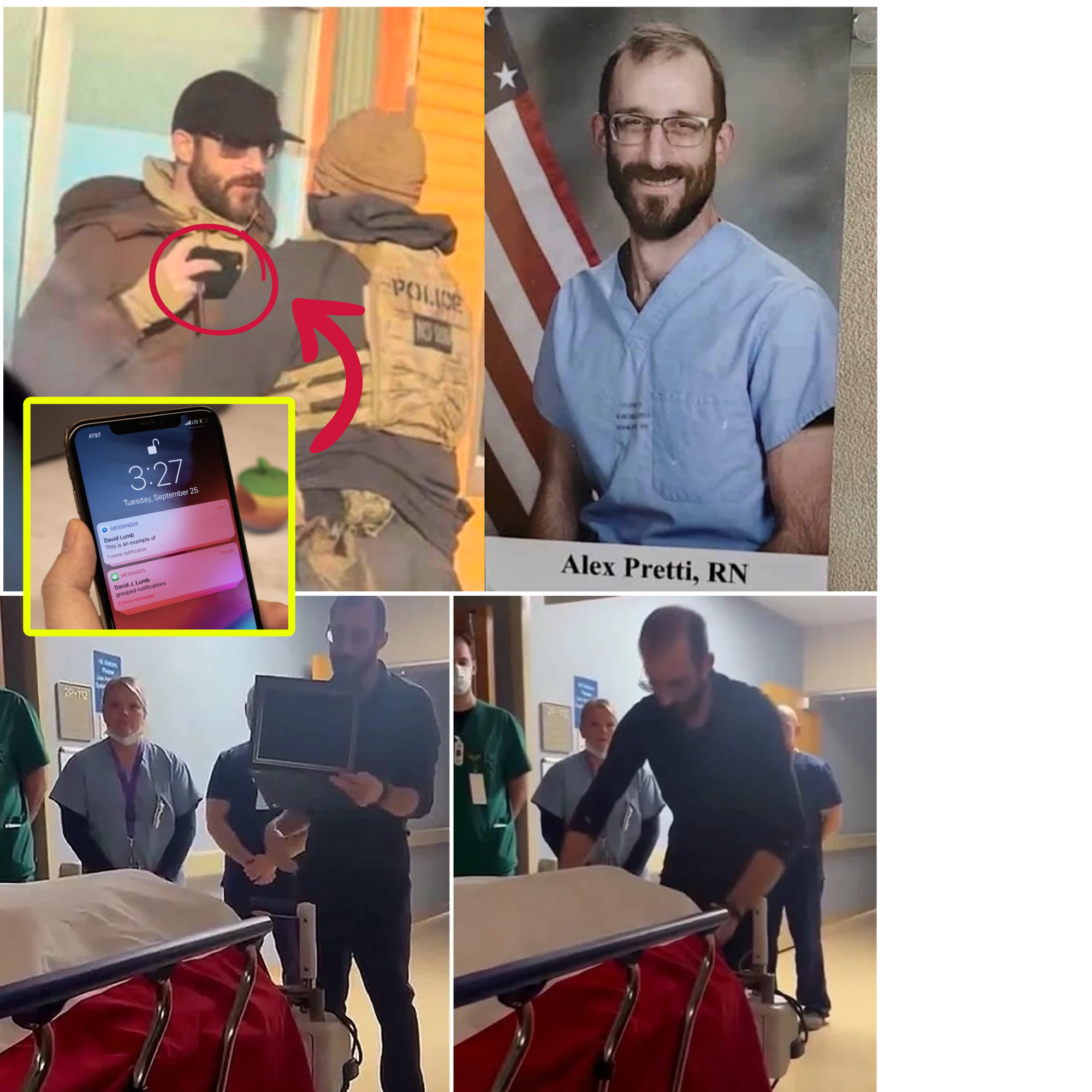
In a heartfelt public statement, Pretti’s parents, Michael and Susan Pretti, described their son as a “kindhearted soul” who lived to help others—both in the ICU where he treated American veterans and in the community where he stood against perceived injustices. They condemned the DHS narrative as “sickening lies” and “reprehensible,” emphasizing that video evidence and eyewitness accounts contradict claims that Pretti violently resisted or brandished a firearm during the encounter. The family highlighted that Pretti held his phone in his right hand while raising his empty left hand in a gesture of surrender or protection, all while being pepper-sprayed and tackled by multiple officers.
Central to the family’s push for transparency are the last two text messages Pretti sent in his final moments. Though the exact content has not been fully released publicly in verbatim form, relatives have shared that these messages conveyed urgency and concern for others, with one reportedly instructing family to “tell my parents” something vital—possibly about the unfolding chaos or his intent to help. These texts, sent amid escalating tension, have fueled speculation and demands for answers, as they appear to show Pretti focused on protection and communication rather than aggression. The family argues these messages paint a picture of a compassionate man caught in a deadly escalation, not an armed resistor as alleged.
Multiple bystander videos and witness testimonies have emerged that appear to support the family’s version. Footage shows Pretti near the scene, not facing agents directly when they moved in, and holding what looks like a phone rather than a weapon. Witnesses describe him trying to help a woman who had been shoved down, with no visible signs of him reaching for or displaying a handgun. One court filing from an eyewitness noted that Pretti “didn’t look like he was trying to resist, just trying to help [a] woman up.” Despite DHS assertions that Pretti approached agents armed with a 9mm semi-automatic handgun and resisted disarming, no verified evidence has surfaced showing him brandishing or firing the weapon, which he reportedly held a lawful permit for. Videos suggest an officer removed a firearm from him moments before shots were fired—multiple rounds, with at least one striking him in the back while pinned face-down.
Pretti’s background adds profound tragedy to the incident. As an ICU nurse at the VA hospital, he dedicated his career to saving lives under intense pressure, particularly those of military veterans. Colleagues and organizations like the American Nurses Association, National Nurses United, and the Association of Women’s Health, Obstetric and Neonatal Nurses have issued statements mourning his loss and calling for full accountability. The ANA described itself as “deeply disturbed” and urged a transparent investigation, while National Nurses United framed Pretti’s death as part of broader concerns over federal agency actions, planning actions in his honor and demanding ICE’s abolition.
The shooting occurred during heightened immigration enforcement in Minneapolis, part of operations that have drawn protests and scrutiny. Pretti, a U.S. citizen with no criminal record, had joined as a peaceful observer or participant in demonstrations against these actions. His family learned of his death not from authorities but through a reporter, amplifying their anger and sense of betrayal. Minnesota officials have pushed back against federal claims, with the state securing a temporary restraining order to preserve evidence and criticizing DHS accounts as “nonsense.”
Public reaction has been swift and emotional. Vigils have formed at the site on 26th Street and Nicollet Avenue, with flowers, signs, and tributes honoring Pretti as a healer turned victim. Healthcare workers, especially nurses still recovering from pandemic trauma, express deep pain at losing one of their own to violence. Social media overflows with calls for justice, sharing Pretti’s story as an American hero who died protecting others—echoing the very oath he took in nursing.
Investigations remain ongoing, with conflicting narratives from federal and state perspectives. DHS maintains the agent acted in self-defense, but bystander evidence and family statements challenge that version. Pretti’s parents plead: “Please get the truth out about our son. He was a good man.” As demands for bodycam footage, full autopsy results, and independent review grow, the unanswered questions from his final texts and the moments leading to gunfire continue to haunt those who knew him and many who now mourn from afar.
The case has broader implications—sparking debates on use of force, accountability in federal operations, and the safety of citizens exercising rights during protests. For the Pretti family, it’s deeply personal: a son who healed veterans lost his life in circumstances that demand clarity. Whether the final texts hold the key to unraveling the truth or simply underscore a preventable tragedy, they have become a rallying point in the quest for answers.