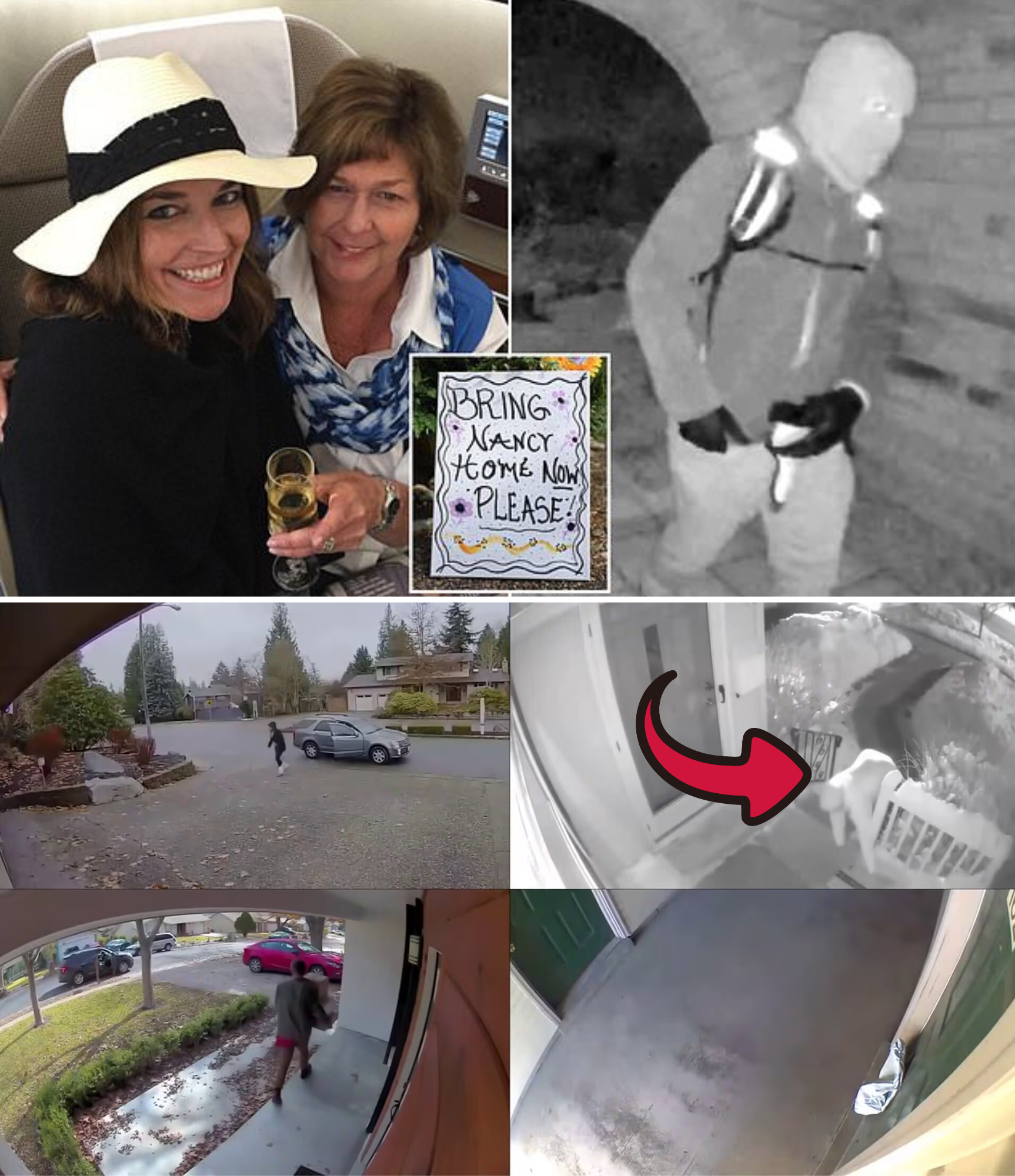
The investigation into the February 1, 2026, abduction of 84-year-old Nancy Guthrie from her Catalina Foothills home near Tucson, Arizona, has taken a significant turn as Pima County Sheriff Chris Nanos confirmed authorities are actively exploring the possibility of multiple perpetrators, including an accomplice or getaway driver. This development coincides with a surge in neighbor-submitted surveillance footage now under careful review by the Pima County Sheriff’s Department and FBI, potentially capturing movements before or after the incident that could identify additional individuals involved.
Nancy Guthrie was last seen the evening of January 31 after family dropped her off following dinner and cards at daughter Annie’s home; the garage door closed at 9:50 p.m. She failed to appear for her virtual church service the next morning, prompting a welfare check that afternoon. Inside the residence: her vehicle parked, wallet and medications untouched. On the porch: small blood droplets, DNA-tested and matched to Nancy, indicating resistance or injury during extraction. The Nest doorbell camera feed went dark at 1:47 a.m. after an intruder blocked the lens, concealed it with a nearby plant, and detached the device. Brief motion detection reactivated around 2:12 a.m.; her pacemaker stopped syncing at 2:28 a.m., marking the likely time of removal.
FBI-recovered footage (released February 10 from Google server remnants) depicts the primary suspect: male, 5’9″–5’10”, average build, black ski mask (partial mustache visible), black gloves, dark zip-up jacket, light pants, sneakers, holstered firearm, and a black 25-liter Ozark Trail Hiker Pack backpack (Walmart-exclusive). The deliberate camera tampering—blocking, obscuring, detaching—points to premeditation and familiarity with the property’s setup. Behavioral experts note amateur elements (visible facial hair, somewhat exposed actions) alongside calculated steps (nighttime execution to minimize witnesses, firearm for compliance, sabotage to delay alerts).
A glove discarded approximately two miles away visually matches those in footage; unknown male DNA (extracted February 14) submitted to CODIS yielded no match in over 26 million profiles. Additional biological material from inside the home—distinct from Nancy and close contacts—undergoes advanced processing to separate mixed profiles. Genetic genealogy testing through public databases continues to pursue familial connections or phenotypic traits.
Sheriff Nanos, in recent statements to CBS News and Fox News, emphasized that while the doorbell video shows only one masked individual outside, investigators have not ruled out accomplices. He noted the coordinated disabling of lights and monitoring devices to prevent immediate alerts, suggesting possible assistance. The absence of clear getaway footage from the immediate property fuels this theory: a second person may have waited in a vehicle, served as lookout, or handled transport. Neighbors’ submissions—prompted by sheriff’s requests via Ring’s Neighbors app and direct canvassing—include footage from January 11 (9 p.m.–midnight) and January 31 (9:30–11 a.m.), targeting reconnaissance activity, plus any unusual vehicles, people, or movements in the weeks prior.
The Ring Neighbors app has proven instrumental, with residents sharing alerts and the department posting direct requests for video within a two-mile radius from January 1 to February 2. Sources indicate hundreds of clips received; analysts scrutinize for matches to suspect description—build, gait, clothing—or vehicles that could link to the abduction. One prior Ring capture (January 23, posted on app) showed a goateed man approaching a neighbor’s door 6.5 miles away around 5 a.m., backing toward the camera before fleeing when dogs barked; authorities are reviewing it as a potential related lead.
Ransom communications—early notes demanding millions in Bitcoin with home layout details—largely classified as hoaxes; Derek Fella arrested February 5 for fraudulent claims. No verified follow-up, proof-of-life, or confirmed transaction. Savannah Guthrie’s public messages blend faith and strategy: February 4 video offering dialogue and celebration; later posts quoting Psalm 23 (“darkest valley”), addressing captors empathetically (“not lost or alone”), affirming belief Nancy remains alive. She has paused broadcasting duties; yellow roses outside Nancy’s home symbolize ongoing community vigils.
Family fully cleared February 17: Savannah, Annie, Cameron, and spouses deemed “100% cooperative victims” after device, vehicle, and interview reviews—no involvement. Rewards surpass $300,000 ($100K FBI, $100K anonymous via 88-CRIME, $100K private). Over 40,000–50,000 tips processed by 400+ agents; cellphone geofencing, blockchain tracing for crypto notes, and cross-border outreach to Mexican authorities continue, though no evidence confirms Nancy was transported south.
Prior cleared leads include Luke Daley (felon on probation, home and Range Rover raided February 13 two miles away—released without charges); Kayla Day and Carlos Palasu questioned and exonerated. Hoax ransom exploiters faced separate charges. Sheriff Nanos noted February 21 progress in clothing identification via lab analysis, though DNA processing delays persist due to mixtures. The case remains “still growing” and active, with potential shift to long-term task force if major breakthroughs stall.
Nancy’s vulnerabilities heighten urgency: born January 27, 1942, in Fort Wright, Kentucky; Tucson resident since the 1970s; widowed in 1988 after husband Charles’s death in Mexico; mother of three; member of St. Andrews Presbyterian Church; pacemaker-dependent for heart condition, limited mobility (about 50 yards unaided), yet mentally sharp and independent. The targeted nature—premeditated reconnaissance suggested by late-2025 Tucson IP searches for her address and Savannah’s salary—rules out random crime.
The accomplice theory revives scrutiny: if one person handled entry and extraction, another could have managed logistics, surveillance, or escape. Neighbor videos may capture a waiting vehicle, second figure, or suspicious activity aligning with the 1:47 a.m. intrusion. Investigators stress public vigilance—every clip, no matter small, undergoes evaluation. Combined with Walmart retail leads (backpack exclusivity, cash purchases vs. surveillance), glove DNA genealogy, and enhanced suspect images, these submissions could pinpoint accomplices or the primary suspect’s identity.
As Day 23 begins February 23, 2026, hope persists amid escalating risks for an 84-year-old with medical needs. Community “mom detectives” analyze online; tips flood in. Authorities reaffirm commitment until Nancy is located. The masked intruder left traces—glove, backpack, now potentially shadows of others in neighbor footage. One overlooked frame from a nearby camera could unravel the multi-person puzzle and bring Nancy home.