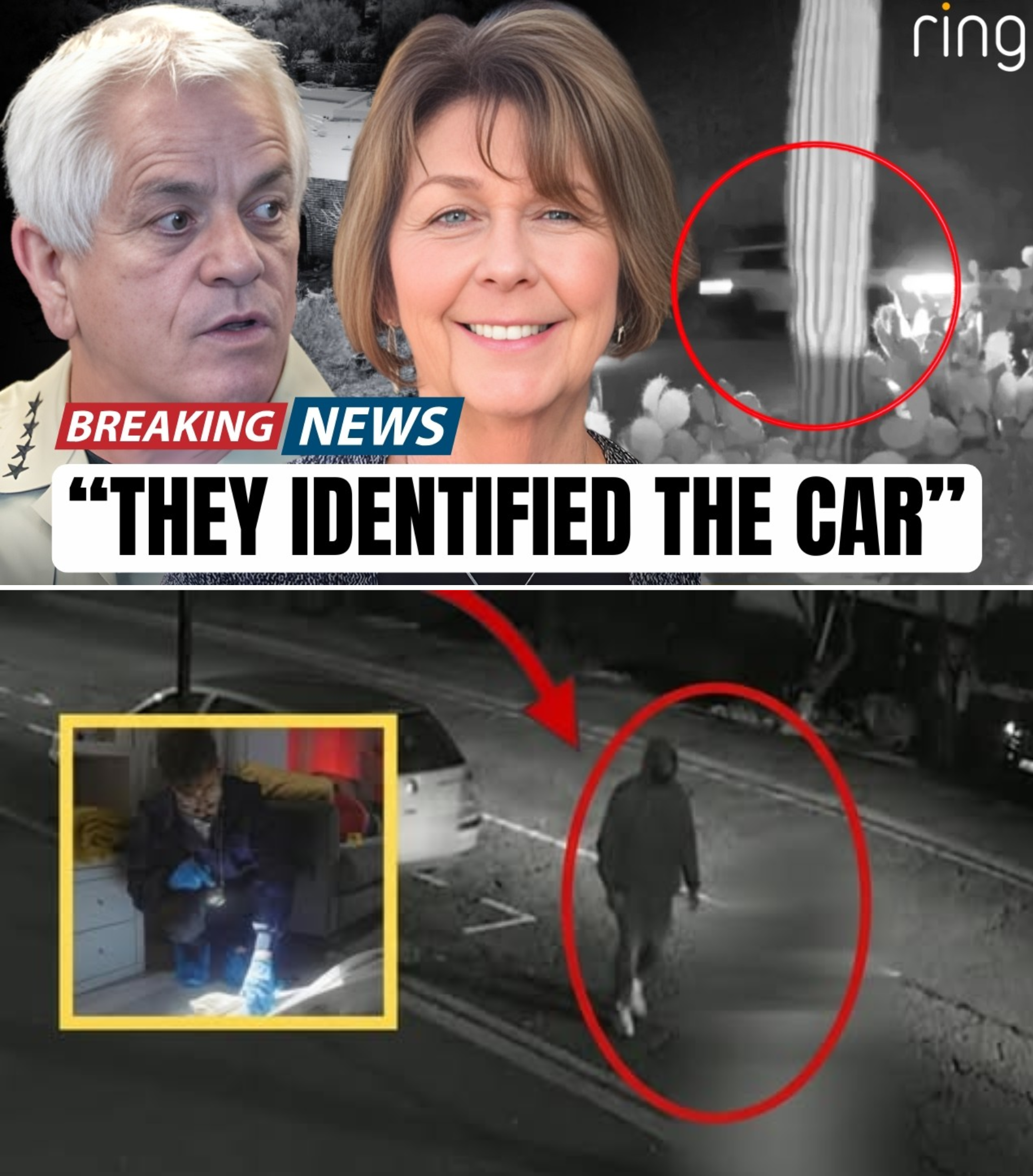
The disappearance of 84-year-old Nancy Guthrie from her Tucson home on February 1, 2026, has gripped the nation, blending elements of high-tech surveillance, rapid investigative decisions, and lingering questions about transparency. On the night she vanished, her pacemaker ceased syncing with her iPhone at precisely 2:28 a.m., a detail investigators believe marks the exact moment she was removed from her residence or her Bluetooth connection was severed. Just eight minutes later, at 2:36 a.m., a Ring camera owned by the nearby Stratigouleas family captured a vehicle traveling along North Camino Real—a quiet back road that avoids major intersections and traffic cameras, making it an ideal escape route from Guthrie’s neighborhood.
Retired NYPD Detective Pat Brosnan, analyzing the footage frame by frame, identified the passing car as a Kia Soul based on its distinctive slanted roofline, window configuration, and vertical brake light pattern. The timing aligns eerily: the Stratigouleas residence sits roughly 2.5 miles from Guthrie’s home, a distance drivable in about seven minutes under normal conditions. Brosnan noted the vehicle’s path suggested deliberate evasion of monitored routes, raising immediate suspicions among independent observers.
The Stratigouleas family reviewed their Ring footage after noticing the timeline match and shared it publicly when initial law enforcement canvassing failed to reach them. Their home fell outside the FBI’s original two-mile radius for door-to-door inquiries, meaning no agents contacted them until Fox News Digital highlighted the clip. Once the footage surfaced, the FBI reviewed it and, within 12 hours, declared the vehicles—including the identified Kia Soul—unrelated to the case based on their ingress and egress analysis.
This swift dismissal has fueled intense scrutiny. Critics point out the contrast: the investigation has involved reviewing 10,000 hours of surveillance video and processing 21,000 tips, yet this seemingly precise temporal and locational match was ruled out almost immediately. Former FBI agent Jim Clemente, appearing on related media discussions, suggested that public appeals for owners of similar vehicles to come forward could help, especially if any lack digital signatures like cell phone data or GPS pings—indicators that suspects might have deliberately left devices behind.
Geofencing data, which uses cell tower and Wi-Fi signals to track devices in the area, has been part of the probe, but its effectiveness diminishes if perpetrators avoided carrying phones. Neighbor reports add layers: a suspicious Hispanic male matching the FBI’s suspect description (approximately 5’9″, close-trimmed beard, silver bracelet, smoking a cigarette) was seen near an abandoned car on the same road on February 2. Earlier sightings in mid-January included a man walking suspiciously near Guthrie’s home, and FBI-released footage from January 23 shows an individual moving backward near the property, interpreted by some as reconnaissance behavior.
The $1 million reward for information leading to Guthrie’s safe return or the arrest of those responsible underscores the case’s priority. The FBI continues to describe the investigation as active, with no public indication of foul play confirmed or ruled out. Guthrie, known in her community for her active lifestyle and involvement in local charities, was last seen in routine settings before the night in question.
Public frustration centers on perceived lack of follow-through. Why was the Kia Soul lead closed so quickly without apparent confirmation that the vehicle’s owner was identified, interviewed, or cleared through digital forensics? The Stratigouleas family’s decision to release the footage independently highlights how media pressure sometimes drives progress in stalled cases. Tips continue to flood in via the FBI hotline at 1-800-CALL-FBI or tips.fbi.gov, with emphasis on any Kia Soul or similar compact crossover seen in the Catalina Foothills area between 1 a.m. and 3 a.m. on February 1.
The pacemaker data provides a chilling timestamp in an otherwise opaque timeline. Modern medical devices like Guthrie’s transmit real-time health metrics via Bluetooth to paired phones, alerting caregivers or emergency services to irregularities. The abrupt stop in syncing suggests either intentional disabling or physical removal from proximity—both scenarios incompatible with a voluntary departure or simple medical event.
As weeks turn into months, the case exemplifies challenges in missing persons investigations involving seniors: rapid-onset scenarios, limited digital footprints from potential suspects, and the tension between thoroughness and efficiency. The FBI’s decision to label the footage a dead end may stem from additional undisclosed evidence, but without transparency, speculation grows.
Community vigils and online discussions keep Guthrie’s face visible, urging anyone with information—even seemingly minor details—to come forward. The Stratigouleas footage, though dismissed officially, remains a focal point for amateur sleuths and true crime enthusiasts analyzing angles, timestamps, and vehicle characteristics.
Whether the Kia Soul represents a missed lead or a genuine irrelevance may only become clear if new evidence emerges or the case resolves. For now, Nancy Guthrie’s family and a concerned public wait for answers, haunted by the eight-minute window where a single vehicle passed under the cover of night, and the questions it continues to raise about what really happened on February 1.