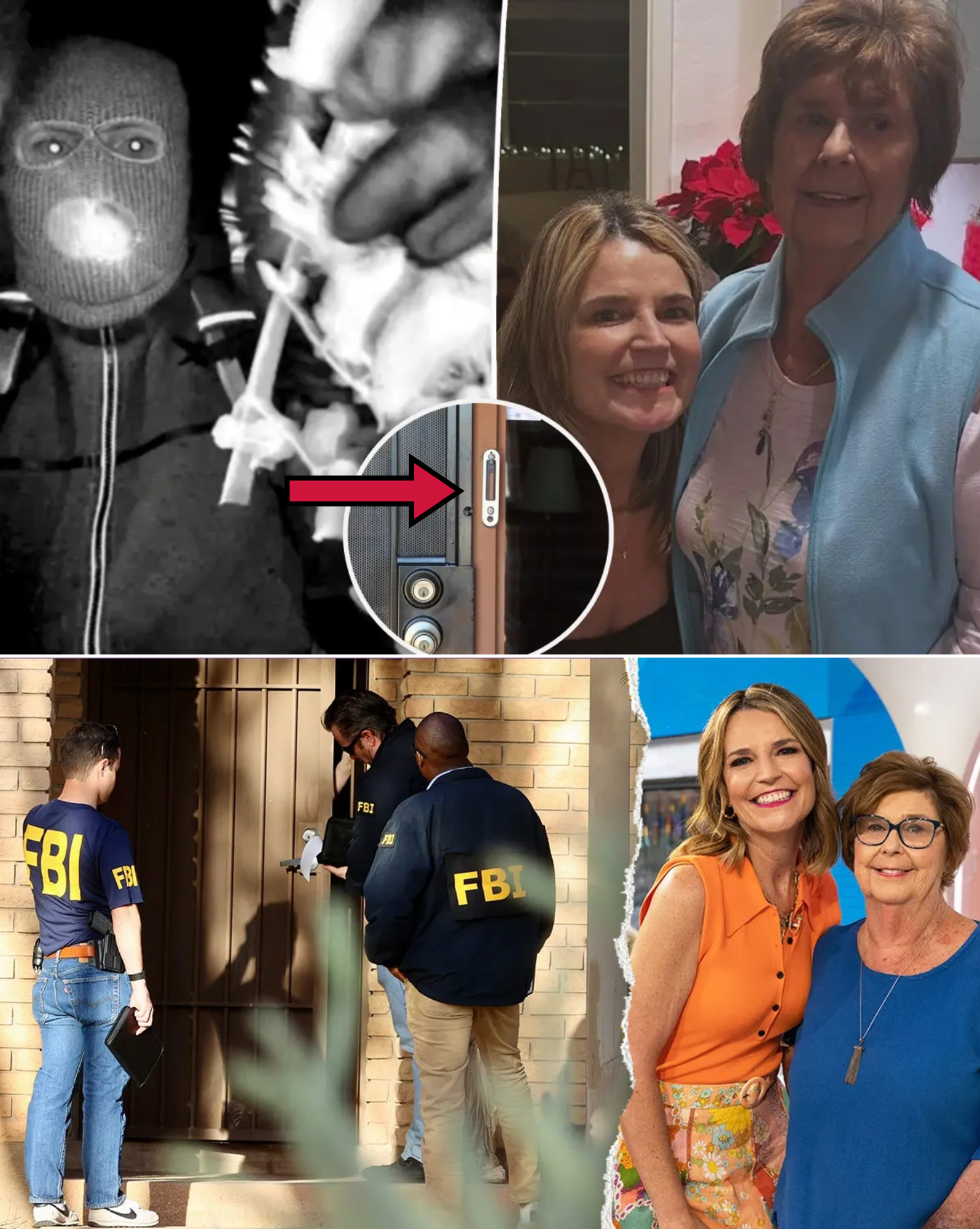
The FBI’s release of a 44-second surveillance video recovered from Nancy Guthrie’s Google Nest doorbell camera has provided the most concrete visual evidence yet in the disappearance of the 84-year-old mother of NBC’s TODAY co-anchor Savannah Guthrie. The footage, timestamped in the early morning hours of February 1, 2026, captures a masked individual deliberately attempting to obscure the camera’s view using nearby vegetation before tampering with the device itself. This act occurred shortly before the camera was disconnected at approximately 1:47 a.m., and motion detection logs showed continued activity in the minutes that followed, marking a critical window in the timeline of Nancy Guthrie’s abduction from her Catalina Foothills home in Tucson, Arizona.
The video begins with the suspect approaching the front porch under cover of darkness. Dressed entirely in dark clothing—including a full-face ski mask, gloves, long-sleeved jacket, pants, and sneakers—the individual carries a backpack and holds a small flashlight clenched in their mouth for hands-free illumination. A holstered handgun is clearly visible at the waist, confirming authorities’ description of the person as armed. The suspect tilts their head downward and to the side to avoid direct exposure to the camera lens, a calculated move suggesting awareness of surveillance tactics.
Reaching the door, the individual first raises a gloved hand to partially block or manipulate the camera. After a brief pause, they step away momentarily, bend down to gather branches and leaves from a nearby shrub or plant in the yard, and carefully place the foliage in front of the lens to further obstruct the view. The action is methodical: no frantic movements, but deliberate placement to ensure the camera records little to nothing of subsequent events. The clip ends as the suspect moves out of frame, having successfully compromised the device before any entry or additional activity is captured on the residual backend data.
FBI Director Kash Patel announced the footage on X, emphasizing collaboration with Google engineers who recovered the previously inaccessible material from the Nest system’s backend despite Nancy Guthrie not having an active cloud storage subscription. The recovery process involved forensic analysis of motion-triggered logs and partial data fragments, highlighting the technological challenges and breakthroughs in modern surveillance investigations. Patel noted the individual as a “potential subject” in the abduction, with no suspects or persons of interest publicly identified.
The video’s release has intensified the nationwide search now in its 11th day. Nancy Guthrie was last seen at her residence on the evening of January 31. She missed church the next morning, prompting family alarm and a missing person report. Investigators discovered her blood on the front porch—confirmed by DNA—and the tampered camera, leading to the classification as a suspected kidnapping. Guthrie requires daily medication for hypertension, cardiac issues, and a pacemaker, making her medical needs a pressing concern if she remains without care.
The 44-second duration provides limited but valuable details: the suspect’s approximate height and build (medium stature), gait (steady and purposeful), clothing specifics, and partial visibility of facial features through mask openings—such as eyebrows and possible facial hair around the mouth. Former FBI profilers have analyzed the footage, noting the use of vegetation as a low-tech but effective concealment method, potentially indicating prior experience with evading detection. The left-handed or ambidextrous handling and holster placement offer additional identifiers for tips.
The Guthrie family’s response has been emotional and evolving. Initial videos pleaded directly with presumed captors for contact and proof of life. Messages shifted to acknowledgment of received communications (“We received your message, and we understand”) and increasingly desperate public appeals. Savannah Guthrie’s latest solo statement expressed raw desperation: “We are at an hour of desperation. We need your help,” urging anyone nationwide to report sightings or information, even far from Tucson. The family maintains hope Nancy Guthrie is alive, despite expired ransom deadlines and no verified proof of life.
Ransom notes sent to media outlets demanded payment with tight timelines that passed without resolution. Authorities have not confirmed authenticity or direct abductor contact, treating all leads seriously. The FBI has deployed digital billboards from Texas to California, expanded neighborhood searches—including areas near daughter Annie Guthrie’s residence—and increased tip line activity following the video release. Calls surged after the footage went public, with experts predicting it could “break this case wide open” by crowdsourcing identifications from non-facial traits.
The incident raises broader questions about home security vulnerabilities. Even subscription-free Nest cameras retain motion data and backend fragments recoverable with forensic tools, but deliberate tampering highlights risks in relying solely on consumer-grade devices. Privacy advocates and tech analysts have debated the implications of such recoveries, while law enforcement praises Google’s cooperation in expediting access.
As the investigation presses on, every second of the 44-second clip is scrutinized for clues. The masked figure’s calculated actions—using branches to blind the camera—paint a picture of premeditation and familiarity with the property. With an elderly woman potentially in peril, the urgency is palpable. The footage, though brief and obscured, represents hope: a tangible lead in a case that has gripped the nation through Savannah Guthrie’s prominence and the family’s poignant pleas.
The search continues relentlessly. Tips flood in, billboards flash warnings, and investigators comb leads. Nancy Guthrie’s fate remains unknown, but this haunting 44-second glimpse into the night she vanished fuels determination to bring her home. In quiet neighborhoods where safety feels assured, the video serves as a stark warning—and a call to vigilance that could save a life.