200-Mile Phone Ping and a Masked Intruder: The Escalating Mystery of Nancy Guthrie’s Nighttime Abduction.
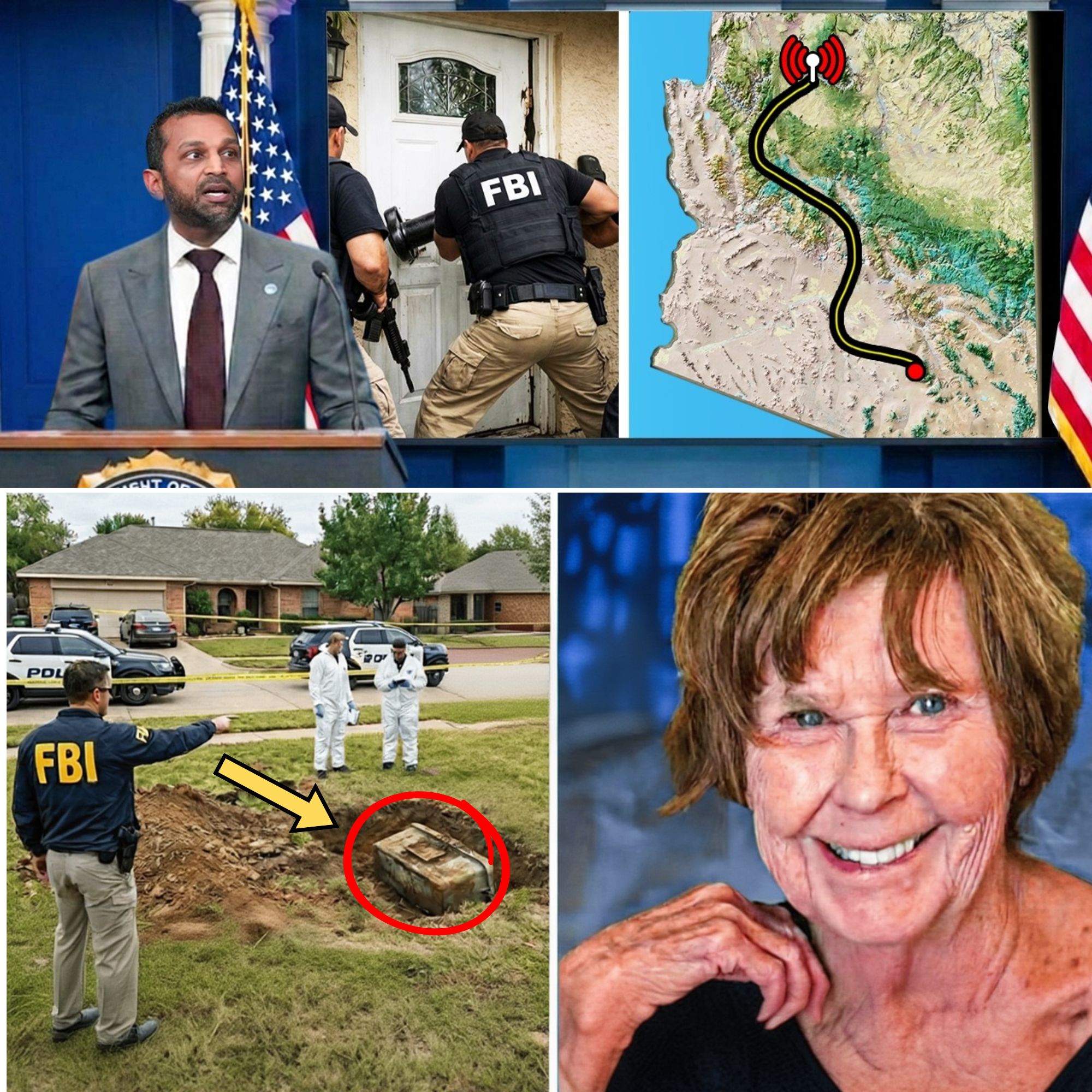
Nancy Guthrie, the 84-year-old mother of NBC Today Show co-anchor Savannah Guthrie, vanished from her home in Tucson’s Catalina Foothills on the night of late January or early February 2026, in a case that has rapidly evolved from a concerning disappearance into a full-scale federal kidnapping investigation marked by contradictory digital evidence, tactical deployments, and public ransom demands. The elderly woman, who relies on a pacemaker for heart rhythm support and requires assistance for even short walks, had spent the evening at her daughter Annie’s home enjoying dinner and family games. A family member drove her back around 9:45 p.m., with garage door camera footage confirming the door opened and closed as expected. After that, the house fell silent.
Critical timestamps emerged from synced devices: at approximately 2:28–2:30 a.m., her pacemaker disconnected from her paired iPhone, an event that typically occurs if the phone moves out of Bluetooth range (about 30 feet) or if the connection is severed by physical harm or device failure. Dried blood was later discovered on the front porch, suggesting a struggle or forced removal occurred sometime in those hours. By 6:00 a.m., her phone pinged a cell tower roughly 200 miles from the residence—a distance impossible for Guthrie to cover given her mobility limitations and the short timeframe. Possible directions include south toward the Mexican border near Nogales, Sonora; north to Phoenix; west toward Yuma and the California line; or east into New Mexico.
The FBI responded aggressively to the anomalous signal, deploying resources to undisclosed locations and imposing strict information lockdowns, even withholding details from immediate family members. Pima County Sheriff’s Department, initially handling the case, classified it as a high-risk missing person before federal involvement escalated. A white van with no markings had been observed in the neighborhood days earlier, and an Adult Protective Services business card was visible on the door, hinting at prior welfare concerns that remain undisclosed.
Nine days into the investigation, authorities announced recovery of Google Nest doorbell footage initially deemed destroyed due to the lack of a paid Nest Aware subscription. The clips, retrieved through persistent legal pressure on Google’s archival systems, show a masked male intruder approaching around 1:47 a.m. Wearing a ski mask, dark gloves, a zip-up fleece, and carrying a backpack with a foam-holstered firearm, he deliberately blocked the lens with his hand and prairie brush before detaching the device. Despite precautions, partial facial features—eyes, hairline, and mustache—emerged, aiding composite sketches. Retired detective Phil Waters described the behavior as oddly calm and improvised, lacking the panic of an amateur.
Ransom demands surfaced publicly rather than privately: notes sent to TMZ and local station KGUN demanded $6 million in Bitcoin by February 9 at 5:00 p.m. Mountain Time. The unusual delivery method suggested a bid for media attention or misdirection. A separate fraudulent demand led to an arrest in Southern California of an unrelated individual. After the deadline passed without compliance, a small $300 deposit appeared in the specified wallet, possibly a test transaction or taunt. Investigators probed the home’s septic tank, removed exterior flood lights referenced in the note, towed a vehicle from Annie’s garage four miles away, and conducted consensual searches with visible camera flashes.
Tactical escalation followed the footage’s public release: Pima County SWAT rolled Bearcat armored vehicles to undisclosed sites, the bomb squad was dispatched—implying intelligence about potential explosives—and the FBI’s Hostage Rescue Team arrived, a unit reserved for high-threat kidnappings or barricaded suspects. A traffic stop in Rio Rico, Arizona—an hour south near the border—detained delivery driver Carlos Palazuelos. Officers broke his vehicle door, seized electronics, and showed him the footage; his mother-in-law denied the resemblance. He was released without charges, though the warrant execution suggested initial probable cause.
The case’s high profile stems from Savannah Guthrie’s public pleas, temporarily stepping back from broadcasting to focus on family. Billboards seeking information appeared in major Southwest cities including Houston, El Paso, San Diego, Los Angeles, San Antonio, Dallas, and Albuquerque, backed by a $50,000 FBI reward. Community searches and tips continue, with anonymous submissions encouraged via 1-800-CALL-FBI.
Speculation swirls around insider knowledge—the garage code was used without forced entry—and the pacemaker-phone discrepancy, which could indicate the device was taken separately from Guthrie or that she was harmed early. The border proximity raises human trafficking or cross-border motives, though no concrete evidence supports this yet. The media-targeted ransom and tactical response point to a sophisticated operation rather than random crime.
Nancy Guthrie remains missing, her fate unknown. The combination of medical vulnerabilities, rapid phone movement, recovered surveillance, and federal firepower has transformed the investigation into one of the most closely watched in the region. As leads narrow and resources intensify, the hope is that digital breadcrumbs—cell pings, footage details, Bitcoin traces—will lead to her safe return. Until then, the mystery of how an elderly woman vanished from a locked home in minutes continues to grip the nation, underscoring the terrifying speed at which safety can shatter.