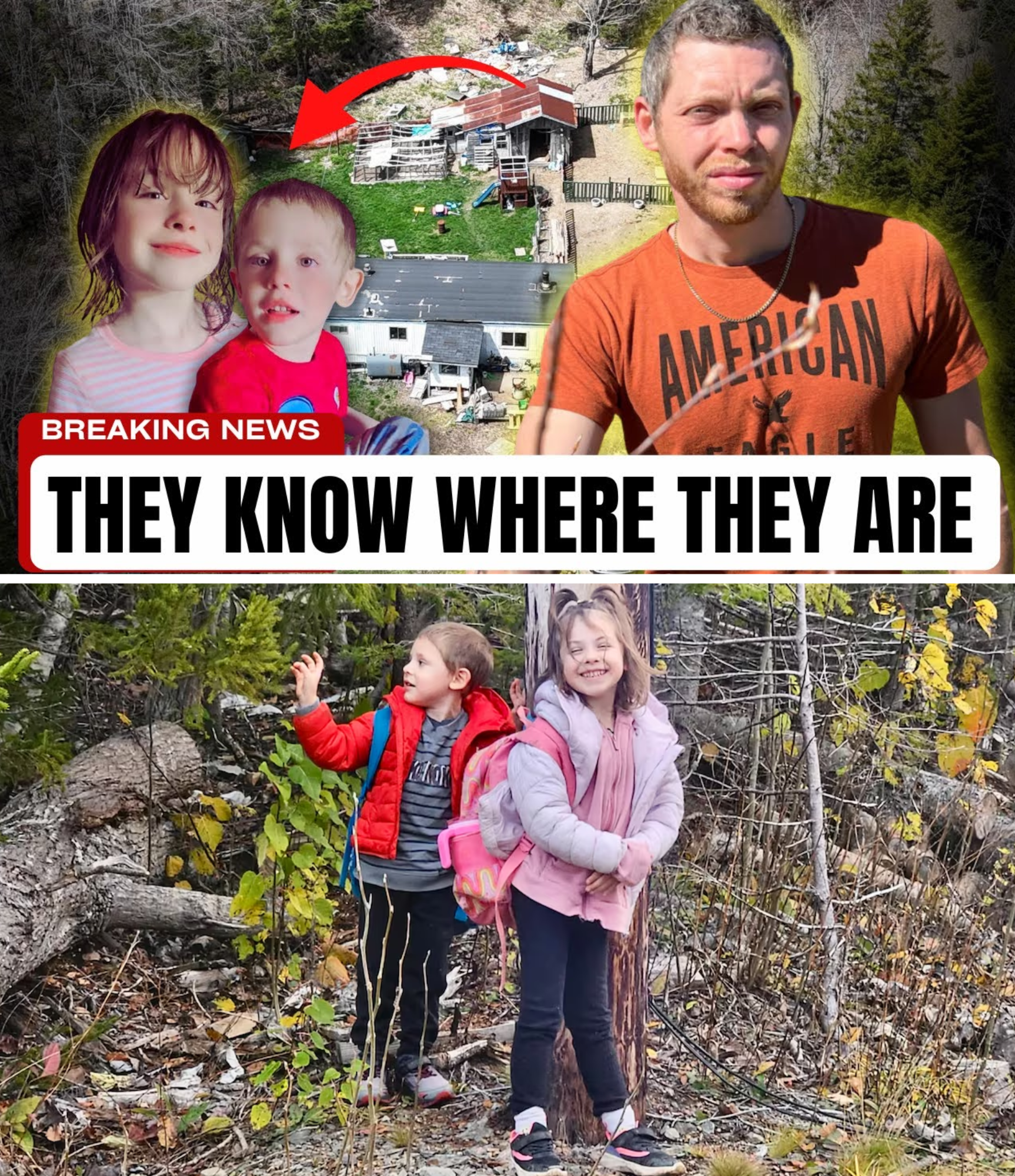
Court documents unsealed on January 15, 2026, have revealed that the Royal Canadian Mounted Police executed 12 search warrants between May 16 and July 16, 2025, in the ongoing investigation into the disappearance of siblings Lily and Jack Sullivan from their rural home in Lansdowne Station, Pictou County, Nova Scotia. The warrants, initially sealed to protect investigative integrity, targeted a broad range of records that suggest authorities explored possibilities far beyond the initial theory that the children simply wandered into the surrounding woods.
Lily and Jack were reported missing on May 2, 2025, at 10:01 a.m. when their mother, Malehya Brooks-Murray, called 911 to say the children had slipped away unnoticed while she and her common-law partner, Daniel Martell, were in the bedroom with their infant daughter. The last independently verified sighting occurred the previous day, May 1, at 2:25 p.m., when surveillance footage from a local Dollarama store captured the family—Brooks-Murray, Martell, the children, and their baby sister—during a routine shopping trip in New Glasgow.
An intensive ground search immediately followed the report, involving more than 160 personnel, helicopters with thermal imaging, drones, cadaver dogs, and divers sweeping nearby lakes and rivers. Teams covered 8.5 kilometers of dense, heavily wooded terrain around the mobile home on Gairloch Road. Despite the effort, no footprints, clothing, or other traces led away from the property. The search scaled back after six days with no findings, though the investigation continued under the province’s Missing Persons Act rather than as a declared criminal matter.
The unsealed warrants, obtained by media outlets including CBC News and The Globe and Mail through court applications, paint a picture of methodical, behind-the-scenes work by the RCMP Major Crime Unit. Seven warrants focused on cellphone records for Brooks-Murray and Martell, seeking call logs, text messages, location data, and internet activity from May 1 onward. Three targeted bank and financial records to identify any unusual transactions or patterns around the disappearance date. One sought highway surveillance footage from Nova Scotia roadways between May 1 and May 3, specifically monitoring vehicles leaving the province. Another requested videos from school buses operating near the home to verify the children’s presence or absence on routes and confirm timelines.
RCMP Corporal Charlene Curl stated in affidavits that the last objective confirmation of the children’s location came from the Dollarama footage on May 1. All subsequent accounts relied on statements from Brooks-Murray and Martell. The warrants aimed to corroborate—or potentially contradict—those accounts through independent evidence. Polygraph examinations were administered to seven individuals, including the couple, who reportedly passed on four undisclosed questions each.
Despite extensive efforts—86 interviews conducted, 1,030 public tips received, and 8,100 video files reviewed—no definitive leads emerged publicly. The investigation’s scope, including out-of-province possibilities, surprised experts. Criminologist Michael Arfield described the approach as “novel” for a missing-children case, noting that most similar investigations shift to criminal status within a week if no trace is found. Chief Superintendent Dan Marorrow called the complexity “extremely rare,” emphasizing the need for a methodical pace to avoid compromising potential future proceedings.
The children’s paternal grandmother, Belinda Gray, has publicly expressed anguish and called for a formal inquiry into the role of child protective services prior to the disappearance. She highlighted ongoing family pain and the lack of resolution after nearly nine months. The Nova Scotia government maintains a reward of up to $150,000 for information leading to the children’s whereabouts or resolution, yet it remains unclaimed.
RCMP spokespeople have stressed that the case remains active and open to new leads. While no reasonable grounds exist to believe a crime occurred at present, officials caution that this assessment could change with additional evidence. All individuals are presumed innocent, and redactions in the unsealed documents protect sensitive investigative details that could affect prosecution if the matter escalates.
The Sullivan disappearance has gripped Nova Scotia and drawn national attention due to the rural setting, young ages of the children, and absence of physical evidence. Online discussions under #JusticeForLilyAndJack reflect frustration over the prolonged silence and reliance on adult statements after the last verified sighting. Some speculate foul play, while others urge patience as forensic and digital analysis continues.
The unsealing marks a step toward greater transparency, though much remains redacted or privileged. The warrants’ focus on mobility and communications suggests investigators considered scenarios including voluntary departure, abduction, or removal from the province—avenues that require objective proof beyond family accounts. As the case nears its first anniversary without resolution, the exposed investigative backbone underscores both the thoroughness of the effort and the challenges in rural missing-persons probes where evidence can vanish quickly.
Lily and Jack’s story continues to evoke deep community grief. Small details—the Dollarama trip, the quiet mobile home, the vast woods—fuel persistent questions. Until new evidence surfaces or the children are found, the warrants serve as a reminder: even in silence, authorities pursued every angle. The hope remains that one overlooked detail or renewed tip will finally bring answers to a family and province still waiting.