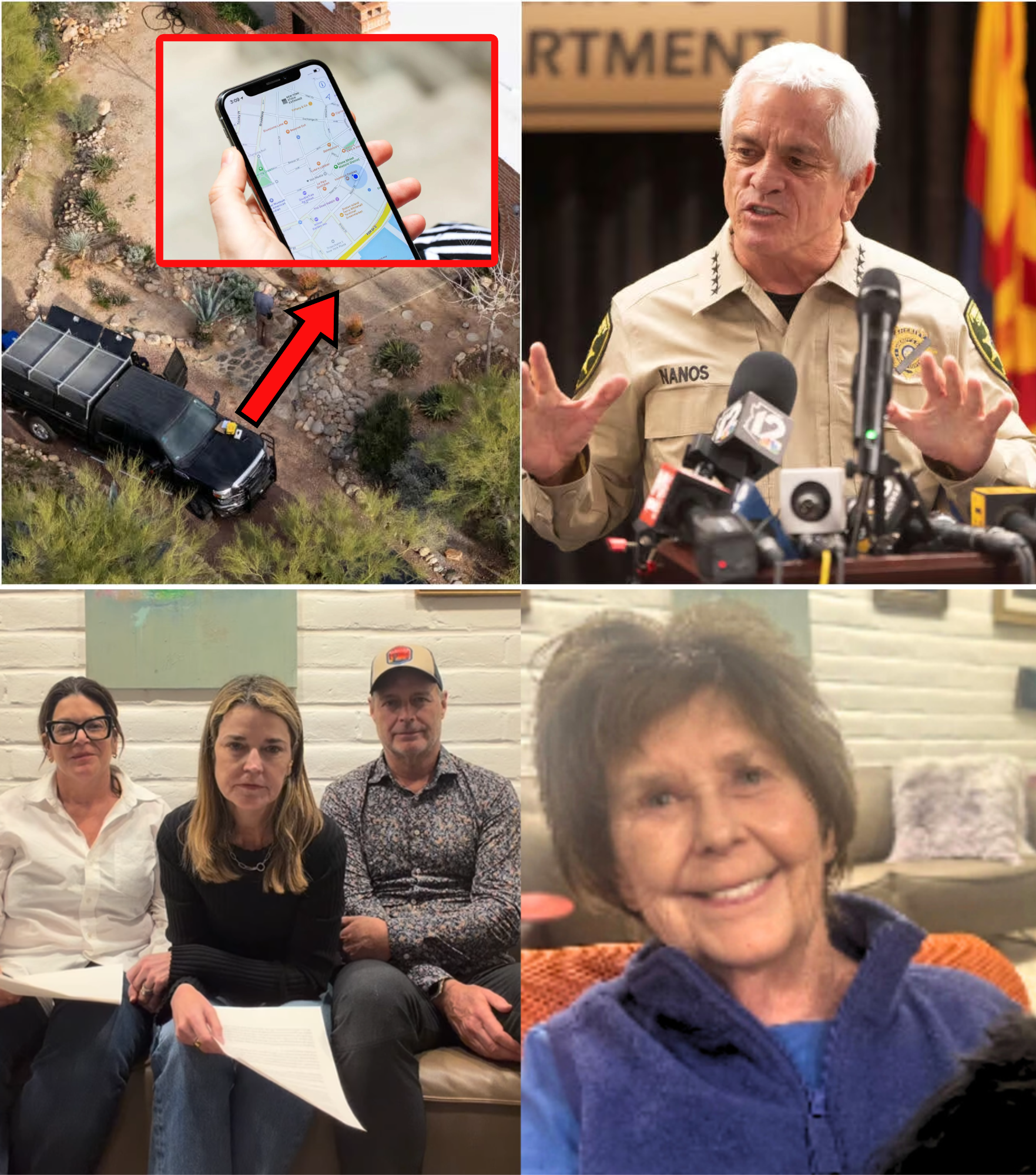
A fleeting 11-second burst from a disposable phone believed to be connected to missing 84-year-old Nancy Guthrie has given investigators a potential new lead in the high-profile abduction case that has gripped Tucson and the nation since February 1, 2026. The brief cell signal was detected near a remote stretch of desert highway outside the Catalina Foothills area, where Nancy vanished from her home after a family dinner. Authorities confirmed the ping occurred during ongoing searches but provided no further details on the phone’s ownership, the exact location, or whether it contained any traceable data beyond the momentary connection.
The discovery marks the first significant electronic clue since the initial timeline established through Nancy’s pacemaker app and Ring doorbell data. Those records showed the home’s camera disconnecting at 1:47 a.m. and the pacemaker sync stopping at 2:28 a.m., placing the likely abduction window between those times. The disposable phone—often called a burner—briefly registering on a tower near an isolated highway suggests movement away from the residence, possibly indicating the direction the abductor or abductors took Nancy after leaving her home.
Law enforcement sources familiar with the investigation told reporters that the signal was captured through routine cell-tower data sweeps conducted by the FBI’s cellular analysis team. Such pings, even lasting seconds, can provide critical triangulation data when combined with tower coverage maps. The highway in question runs through sparsely populated desert terrain with limited traffic cameras and sparse population, making it an ideal route for avoiding detection but also difficult to search thoroughly. Deputies and FBI agents were dispatched immediately upon detection, conducting a grid search of the surrounding area, but no vehicle, person, or additional device was located during the initial sweep.
The phone’s link to Nancy remains under verification. Unlike her personal cell phone, which was recovered at the home along with some of her daily medications, this disposable device has no direct ownership record tied to her name. Investigators believe it may have been brought to the scene by the perpetrator(s) or acquired by Nancy herself in the moments before or during the abduction—perhaps as a desperate attempt to signal for help. The extremely short duration of the signal—only 11 seconds—could indicate a phone powered on briefly, perhaps during transport, before being shut off, discarded, or moved into an area with no coverage.
This development arrives amid growing skepticism about the ransom demands that dominated headlines last week. Two letters sent to media outlets demanded escalating Bitcoin payments—first $4 million, then $6 million—with specific references to home features like an exterior floodlight and an Apple Watch. Neither deadline produced proof of life, further contact, or evidence the sender holds Nancy. The FBI has repeatedly stated the notes’ authenticity remains unconfirmed, and the appearance of a possible burner phone ping raises new questions: Could the device be related to the ransom author, or does it point to a different scenario entirely?
The brief signal has renewed urgency in the search. Nancy’s medical conditions—pacemaker dependency, high blood pressure, heart issues, and daily medication needs—mean prolonged time without proper care could be life-threatening. The fact that her personal medications were left behind at the home has long concerned investigators, as any captor intending to keep her alive would likely need access to those drugs. The desert ping, if confirmed as linked to her situation, could indicate rapid transport away from Tucson, complicating efforts to locate her quickly.
Pima County Sheriff Chris Nanos addressed the development cautiously during a brief media availability, confirming the signal detection but emphasizing that “a ping alone does not confirm location or status.” He noted that teams continue to analyze cell-tower data, canvass the highway corridor, and follow every tip generated by the case’s high visibility. The FBI’s $50,000 reward remains active for information leading to Nancy’s recovery or arrests, and additional resources—including drone surveillance and K-9 units—have been deployed to the desert area.
Family members, including Savannah Guthrie, Annie, and Camron, have not commented publicly on the new lead. Their most recent video plea, released before the second ransom deadline expired, focused on willingness to pay for Nancy’s safe return and begged for any information that could help. The absence of response after the deadline passed has left many questioning whether the ransom notes were genuine or designed as misdirection.
The disposable phone ping adds another layer to an already complex digital trail. Earlier in the investigation, authorities relied on pacemaker app data, Ring camera logs (though unrecoverable due to subscription lapse), and cell-tower records from Nancy’s own phone to build the abduction timeline. The sudden appearance of a burner device suggests either premeditation by the perpetrator or an opportunistic element—perhaps Nancy or someone else attempting communication during the chaos.
As the case enters its second full week, the 11-second signal stands as both hope and frustration: a tantalizing clue that vanished almost as quickly as it appeared. Search teams continue scouring the desert highway and adjacent areas, while cyber specialists trace any possible metadata from the brief connection. Every hour without further contact or discovery heightens the stakes.
For the Guthrie family and the Tucson community, this latest development underscores the agonizing uncertainty that has defined the search. Nancy’s image remains on billboards and social feeds, prayers continue at local vigils, and investigators press forward with every technological and human resource available. Whether the fleeting desert ping leads to a breakthrough or fades into another unanswered question, it serves as a stark reminder: in cases like this, even seconds can matter.