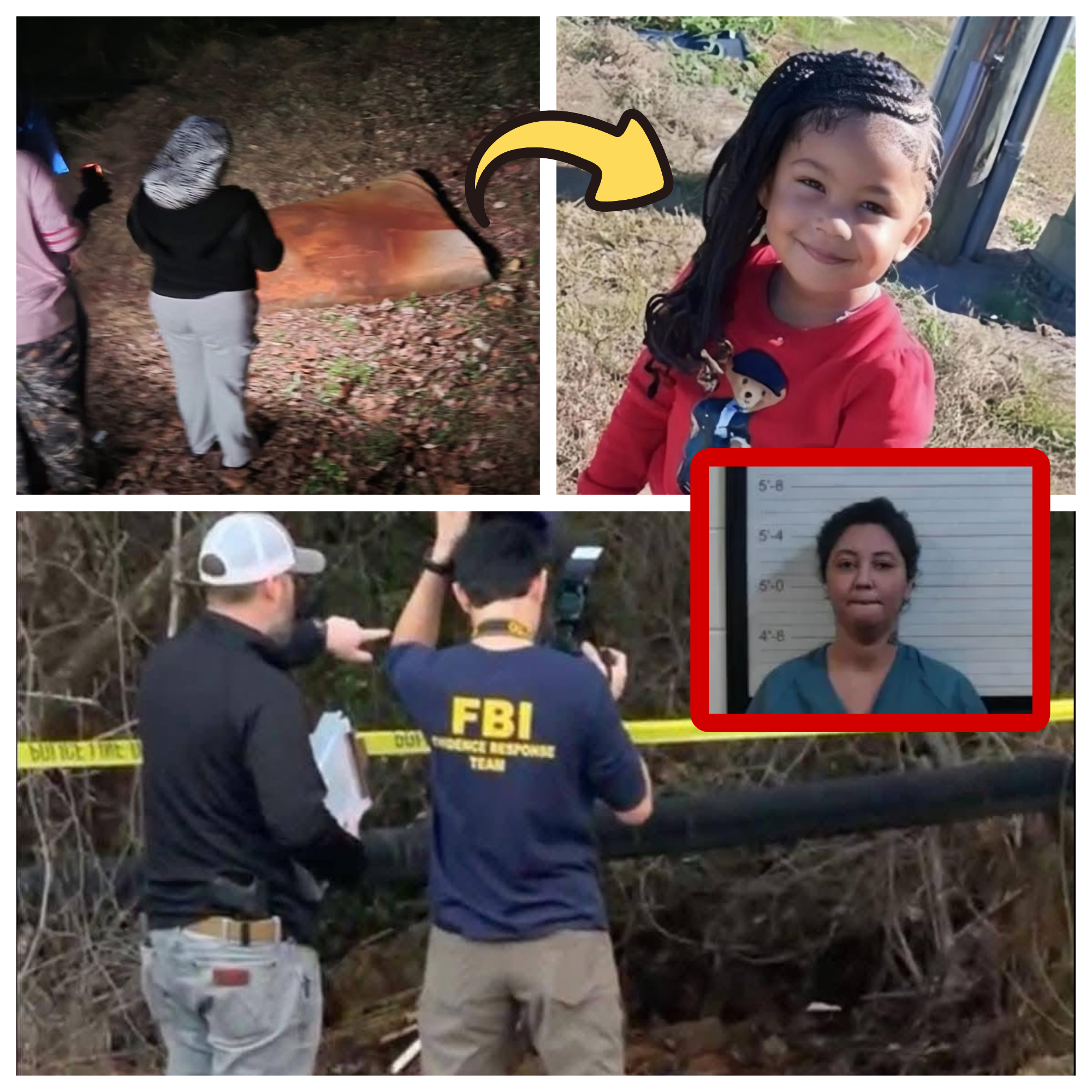
The disappearance of 2-year-old Genesis Nova Reid has gripped the small community of Enterprise, Alabama, turning what began as a frantic missing child report into a deeply troubling investigation centered on her own mother. On February 16, 2026, at approximately 3:10 a.m., 33-year-old Adrienne Reid called police to report that her daughter was no longer in her bed at their Meadowbrook apartments home, claiming the front door had been left open. Initial response teams launched an immediate search, distributing alerts and scouring the surrounding area for any sign of the toddler. However, as detectives dug deeper into the timeline and interviewed witnesses, significant inconsistencies emerged that shifted the case dramatically.
Investigators quickly learned through family statements, neighbor accounts, and verification processes that Genesis had not been seen by anyone outside the immediate household for several weeks leading up to the report. This critical discrepancy—weeks versus hours—undermined Adrienne Reid’s narrative of a sudden abduction or wandering incident. On February 17, Enterprise Police Department arrested her and charged her with false reporting to law enforcement authorities, classified as a Class C felony under Alabama law. She was transported to the Coffee County Jail, where a judge set an extraordinarily high $1 million cash-only bond during a subsequent hearing.
Coffee County District Attorney James Tarbox, speaking at the bond hearing, described Adrienne Reid as “the only person who knows where Genesis Reid is,” emphasizing her status as the sole known suspect in the disappearance. Prosecutors argued that she posed a significant flight risk and had likely hidden or destroyed potential evidence, factors that justified the steep bond amount and strict release conditions if posted—including GPS ankle monitoring, mandatory daily check-ins with police, drug testing, and confinement to Coffee County without court approval. As of late February 2026, no bond has been posted, and Reid remains in custody.
The ongoing search has been exhaustive and multi-agency, involving Enterprise Police, the Alabama Law Enforcement Agency (ALEA), and specialized teams. Ground searches have covered wooded areas, fields, and waterways near the apartment complex. Notably, cadaver dogs from East Alabama K9 Search and Recovery were deployed around the residence and adjacent zones on February 18 and 19, a standard protocol in prolonged missing child cases to rule out the worst possibilities, though no confirmatory evidence has been publicly tied to the child. Authorities have stressed that the absence of immediate findings from these efforts is encouraging in one sense but does not diminish the urgency. Leads have reportedly taken investigators across the southeast, with calls for information extending to anyone who interacted with Adrienne Reid between late December 2025 and mid-February 2026.
Community involvement has been poignant yet pained. A candlelight vigil was held on February 20 at Bates Park, drawing dozens who held signs bearing Genesis’s photo and chanted for her safe return. Digital billboards along major routes like Boll Weevil Circle now display her image and contact numbers, amplifying public awareness. Genesis’s father and extended family have cooperated fully with law enforcement, providing statements and assisting in appeals, though they have remained largely out of the media spotlight beyond expressing profound worry and hope. Social media has erupted with hashtags such as #FindGenesisReid and #JusticeForGenesis, where supporters share prayers, theories, and demands for transparency amid growing frustration over the delayed reporting.
The false reporting charge, while serious, often serves as an initial step in cases where authorities suspect more grave offenses like endangerment, abandonment, or homicide. Legal experts note that such charges allow investigators time to build probable cause for additional accusations while keeping the primary witness—or suspect—in custody. No further charges against Adrienne Reid have been announced as of February 24, 2026, but the investigation remains active and fluid. Police Chief Michael Moore has repeatedly urged the public to come forward with even minor details, emphasizing that small pieces could unlock the puzzle of Genesis’s whereabouts.
This case echoes other heartbreaking instances where initial missing child reports unravel to reveal familial involvement, raising difficult questions about oversight, domestic stressors, and the signs that might have prompted earlier intervention. Genesis is described as a bright, active toddler with curly hair, last reliably seen in photos or by witnesses weeks before the February 16 report. Her age makes the silence surrounding her absence all the more agonizing—two years old, unable to speak for herself, dependent entirely on adults for protection.
As the calendar flips past one full week since the report (and potentially much longer since her last confirmed sighting), hope persists among search teams and the community, fueled by the lack of definitive negative discoveries. Yet each passing day intensifies the dread that time is running against the child’s favor. Authorities continue targeted operations, following every credible lead, while the high bond on Adrienne Reid serves as both a safeguard and a pressure point in the quest for answers.
The story of Genesis Nova Reid is far from over, but it stands as a stark warning about the fragility of trust in the most intimate relationships and the relentless pursuit of truth when a child’s life hangs in the balance. Enterprise and the broader Alabama region await resolution, praying that wherever little Genesis is, she will be found safe—or that justice will prevail if the unthinkable has occurred.