The entertainment world is mourning the sudden and tragic loss of James Ransone, the versatile character actor best known for his unforgettable portrayal of Ziggy Sobotka in HBO’s groundbreaking series “The Wire” and as the adult Eddie Kaspbrak in “It: Chapter Two.” On December 19, 2025, Ransone was found dead in a shed on his Los Angeles property at the age of 46. The Los Angeles County Medical Examiner confirmed the manner of death as suicide by hanging, with no foul play suspected. In the aftermath, his wife, Jamie McPhee, discovered a farewell letter that shed light on the deep emotional torment that led the actor to end his life, offering a glimpse into the private battles he fought despite his public success.

Born James Finley Ransone III on June 2, 1979, in Baltimore, Maryland, Ransone grew up in a city that would later become the backdrop for one of his most iconic roles. The son of Joyce Peterson and James Finley Ransone II, a Vietnam War veteran, he attended the Carver Center for Arts and Technology, where his creative talents began to flourish. Early struggles with fitting into traditional schools led him to embrace the arts, a path that eventually drew him to acting. His breakout came in 2002 with a role in the controversial film “Ken Park,” but it was his performance as the volatile, self-destructive Ziggy Sobotka in Season 2 of “The Wire” that cemented his place in television history.

Ziggy, the impulsive son of union leader Frank Sobotka, was a character defined by frustration, poor decisions, and a desperate need for validation—traits that resonated deeply with audiences and critics alike. Ransone’s raw, unfiltered portrayal captured the essence of a man unraveling under the weight of familial expectations and personal failures. Scenes like Ziggy’s infamous bar visit with a pet duck or his explosive outbursts became memorable moments in a series renowned for its realism. Years later, Ransone reflected on how inhabiting such “unlikable skin” took an emotional toll, noting in interviews that the role lingered long after filming wrapped.
Ransone’s career spanned diverse genres, showcasing his range beyond gritty drama. He reunited with “The Wire” creator David Simon for roles in “Generation Kill,” where he played Marine Cpl. Josh Ray Person, and “Treme.” His film work included collaborations with director Spike Lee on “Inside Man,” “Red Hook Summer,” and “Oldboy.” But it was in horror that he found a niche in the 2010s, starring in “Sinister” and its sequel as a deputy investigating supernatural events, and earning acclaim for his neurotic, hypochondriac turn as Eddie in “It: Chapter Two” alongside stars like Jessica Chastain, Bill Hader, and James McAvoy.
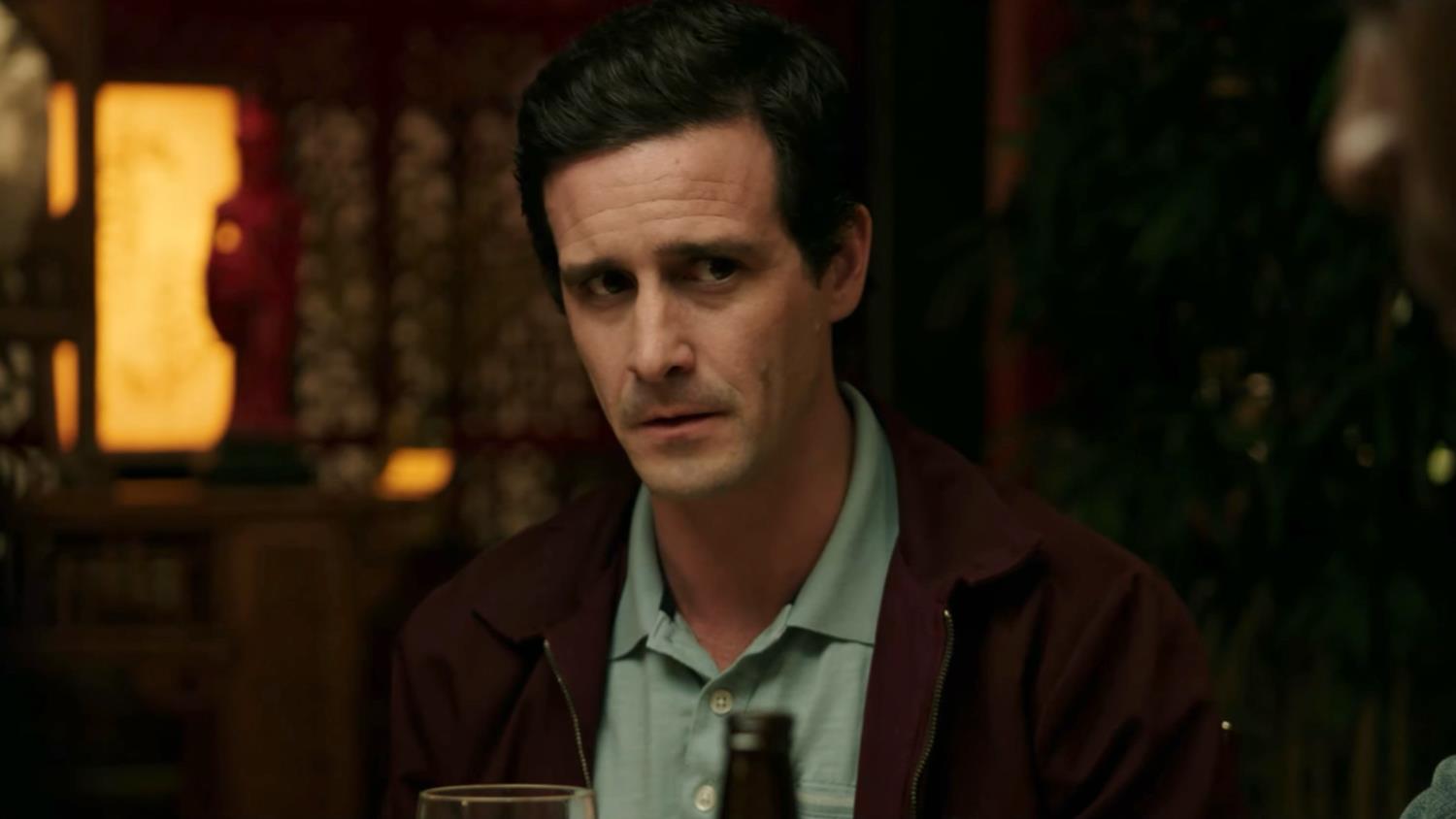
More recent credits included Sean Baker’s acclaimed indie “Tangerine,” the thriller “The Black Phone” and its 2025 sequel, and a guest spot on “Poker Face.” Ransone’s performances often drew from a well of personal authenticity, humanizing flawed and tormented characters in ways that left lasting impressions on viewers.
Behind the scenes, Ransone’s life was marked by profound challenges. He had been candid about a past struggle with heroin addiction, achieving periods of sobriety while acknowledging the ongoing fight. In 2021, he courageously went public with allegations of childhood sexual abuse by a former tutor in 1992, sharing a detailed account on Instagram. The revelation, which described harrowing experiences at age 12, led to a police investigation that ultimately closed without charges. Friends and colleagues later noted how these traumas, combined with the pressures of Hollywood and the emotional demands of his roles, weighed heavily on him.
Ransone married Jamie McPhee in a private ceremony at Rosewood Beach on Lake Michigan in September 2017. Known affectionately as “Skipper” among close friends, McPhee maintained a low profile, rarely appearing on red carpets or in the media spotlight. The couple welcomed two children, Jack and Violet, building a family life away from the glare of fame. Photos of happier times show Ransone beaming alongside his wife and kids, capturing moments of joy on beaches and in everyday settings.
In the days leading up to the tragedy, concerns about Ransone’s mental health surfaced subtly. McPhee, who had always prioritized privacy, shared updates that hinted at underlying struggles, including support for mental health causes. On December 19, authorities responded to a call at the couple’s residence, where Ransone was discovered in an outbuilding. The discovery devastated his family, with McPhee finding a poignant farewell letter that revealed the depths of his despair. Though the contents remain private out of respect for the family, those close to the situation describe it as a heartfelt explanation of his pain, rooted in lifelong battles with trauma, addiction, and inner demons that had become overwhelming.
In the wake of his passing, McPhee broke her silence with an emotional Instagram post: “I told you I have loved you 1000 times before and I know I will love you again.” Her words, accompanied by tributes to their enduring bond, underscored the love that defined their partnership. A GoFundMe organized by a friend aims to support McPhee and the children, allowing her to focus on healing and providing stability for Jack and Violet during this unimaginable time.
:max_bytes(150000):strip_icc():focal(749x0:751x2)/James-Ransone-122125-1-3c8265207f4d4dd3b63c56edce6413be.jpg)
Tributes poured in from across the industry. Spike Lee posted a heartfelt remembrance, calling Ransone his “dear brother.” Blumhouse Productions, behind several of his horror films, expressed gratitude for his contributions. Fans and co-stars alike highlighted his magnetic presence and vulnerability on screen, with many crediting his openness about personal struggles for inspiring their own journeys toward recovery.
Ransone’s story serves as a stark reminder of the hidden burdens carried by those in the public eye. Mental health challenges, exacerbated by past trauma and the isolating nature of fame, can prove insurmountable even for the most talented and beloved. His farewell letter, discovered by his devoted wife, not only explained his decision but also humanized a man who spent his career bringing complexity to broken characters—perhaps drawing too deeply from his own experiences.
As investigations conclude and the family grieves privately, Ransone leaves behind a legacy of fearless performances and quiet courage in facing his demons publicly. His children will grow up with stories of a father who poured his soul into his art, and a mother who stood by him through it all. In an industry often criticized for its silence on mental health, Ransone’s life and tragic end amplify calls for greater support and understanding.