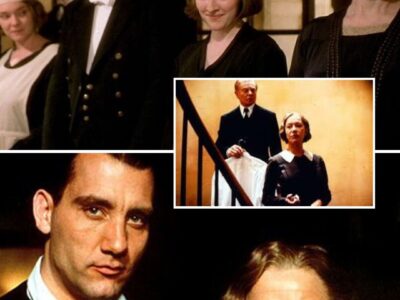
In the misty November chill of 1932 England, where frost clings to the manicured grounds of a grand country estate and the crack of shotgun fire echoes across the woods, a weekend shooting party gathers at Gosford Park. Lords and ladies in elegant attire mingle with their retinue of valets, maids, and butlers, exchanging barbed witticisms over tea and port. Beneath the polished surface of crystal chandeliers and starched uniforms simmers a cauldron of secrets, resentments, and long-buried sins. Then, in the dead of night, the host lies dead — and suddenly everyone is a suspect. Robert Altman’s Gosford Park, the 2001 satirical black comedy mystery written by Julian Fellowes, remains one of cinema’s most intoxicating whodunits. As it airs again tonight on television, fans are once more urging newcomers: watch it and try to guess the end. This is not merely a murder mystery. It is a razor-sharp dissection of the British class system, wrapped in deliciously layered dialogue, impeccable performances, and twists that land with both surprise and emotional weight.
Directed by the legendary Robert Altman in one of his final masterworks, Gosford Park unfolds over a single weekend at the opulent estate of Sir William McCordle and his wife Lady Sylvia. The guests include a colorful assortment of aristocracy and hangers-on: the sharp-tongued Countess of Trentham, impoverished relatives hoping for financial rescue, Hollywood producer Morris Weissman researching a Charlie Chan film, and a famous singer whose presence adds a touch of modern glamour to the stuffy gathering. Downstairs, the servants’ quarters buzz with their own hierarchies, gossip, and hidden lives. Altman’s signature overlapping dialogue and fluid, roaming camera create a living, breathing world where every corner hides another intrigue. The film earned seven Oscar nominations, including Best Picture and Best Director, and won for Best Original Screenplay — a testament to Fellowes’ witty, observant script that would later fuel the phenomenon of Downton Abbey (originally conceived as a spin-off).
The ensemble cast is nothing short of extraordinary, a who’s-who of British (and American) talent delivering career-highlight performances. At the forefront is Maggie Smith as Constance, Countess of Trentham. Smith, in a role that feels like a spiritual precursor to her Violet Crawley in Downton Abbey, is magnificently imperious yet hilariously vulnerable. Her acid one-liners cut through pretension like a knife, but Smith layers the character with subtle desperation — an aging aristocrat whose dwindling allowance keeps her tethered to her despised brother-in-law. Every raised eyebrow and dismissive sigh is comedy gold, yet beneath the sarcasm lies a poignant portrait of faded privilege.
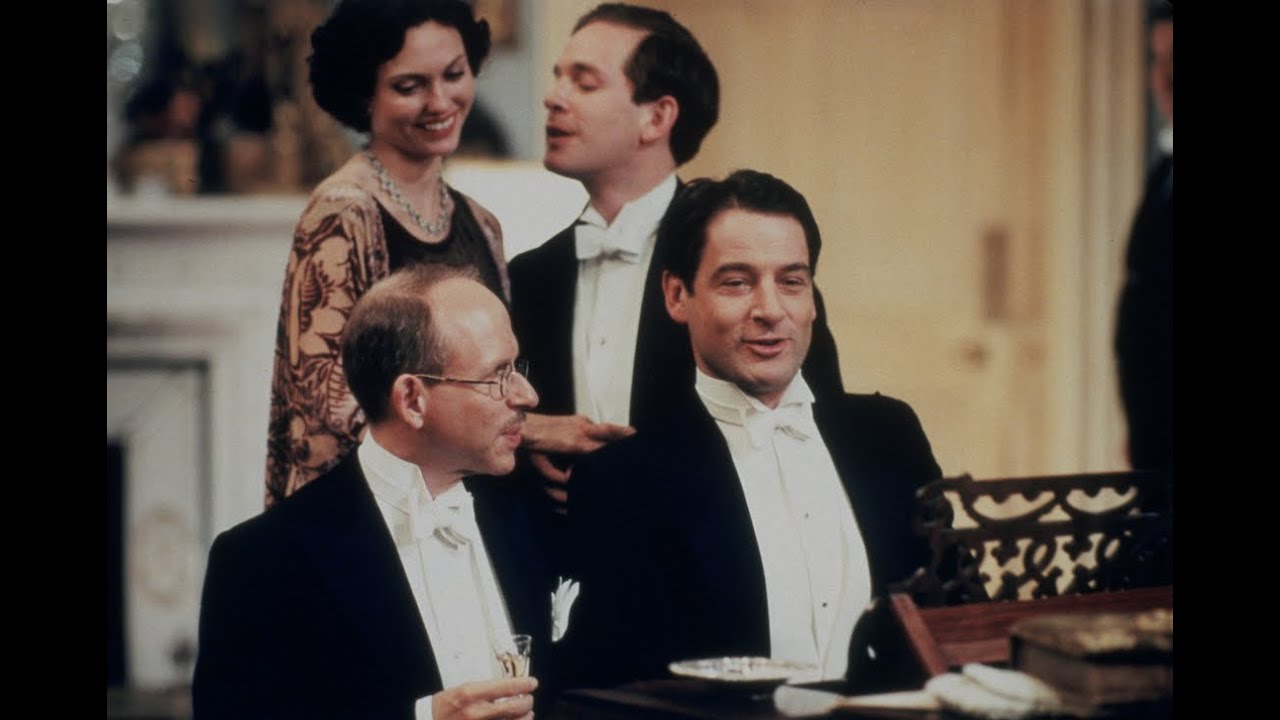
Helen Mirren delivers perhaps the film’s most quietly devastating turn as Mrs. Wilson, the head housekeeper. Mirren plays her with impeccable, almost mechanical precision — the perfect servant who anticipates every need before it is voiced. Her performance is a masterclass in restraint until the final act, when suppressed emotion erupts in a monologue that reveals the devastating personal cost of lifelong service. Mirren’s eyes convey volumes in silence; her controlled demeanor makes the eventual cracks in her armor all the more shattering. She earned an Oscar nomination, as did Smith, and together they anchor the downstairs world with profound humanity.
Kristin Scott Thomas brings icy elegance and simmering discontent as Lady Sylvia McCordle, the mistress of the house whose marriage is a battlefield of mutual disdain. Scott Thomas excels at conveying aristocratic boredom laced with sharp intelligence, making her both alluring and dangerous. Michael Gambon as Sir William is boorish, lecherous, and utterly believable as a self-made industrialist who treats people — especially women — as disposable. His presence looms over the estate even after death, his sins casting long shadows.
The younger generation shines brightly. Kelly Macdonald is luminous as Mary Maceachran, the innocent Scottish lady’s maid to the Countess. Macdonald serves as the audience’s wide-eyed guide into this stratified world; her fresh-faced curiosity and growing moral awareness provide the film’s emotional heart. She observes everything, piecing together clues with quiet intelligence. Clive Owen smolders with brooding intensity as Robert Parks, a valet whose independent spirit raises eyebrows. Owen brings magnetic charisma and hidden depths that make his character one of the most compelling figures upstairs and down.
Other standout turns include Emily Watson as the head housemaid Elsie, warm and knowing; Richard E. Grant and Derek Jacobi as footmen navigating the rigid servant hierarchy; Jeremy Northam as the charming singer Ivor Novello, whose Hollywood-adjacent fame disrupts the old order; and Stephen Fry as the bumbling but ultimately perceptive Inspector Thompson, whose investigation provides comic relief amid the tension. The entire cast operates like a finely tuned orchestra under Altman’s direction — overlapping conversations feel natural, class tensions crackle, and no performance feels wasted in the crowded frame.
The main content of Gosford Park is a richly textured tapestry of class satire and mystery. Upstairs, the aristocrats indulge in shooting, dining, and gossip while barely concealing financial woes, adulterous affairs, and old grudges. Sir William’s factories and wartime profiteering hang as unspoken accusations. Downstairs, the servants maintain flawless facades while trading secrets in the kitchens and corridors. Altman and Fellowes brilliantly contrast the two worlds: the opulent, idle rich versus the hardworking, observant staff who see and hear everything their employers try to hide. The murder of Sir William disrupts this delicate balance, forcing both levels of society to confront their hypocrisies and vulnerabilities.
What truly hooks viewers is the intricate web of suspects — nearly everyone has a motive. Financial dependence, sexual exploitation, wartime betrayals, and personal vendettas create a dense fog of suspicion. The film refuses to follow traditional whodunit conventions with red herrings or obvious clues. Instead, it immerses the audience in the rhythms of the household, letting character and atmosphere build dread organically. The investigation itself is secondary; the real drama lies in how the death peels back layers of deception, revealing the rotten core beneath polite society.
The plot twists, when they arrive in the final act, are deeply satisfying because they feel emotionally earned rather than mechanically contrived. The murder is revealed to be a double killing of sorts: Sir William is first poisoned, then stabbed by a different hand. The true culprits and their motives emerge not through a grand drawing-room accusation but through quiet revelations that carry surprising emotional resonance. One twist uncovers a hidden family connection tied to Sir William’s long history of exploiting vulnerable women in his factories, leading to children abandoned to orphanages. Another reframes acts of apparent loyalty and service as acts of profound, long-suppressed vengeance.
These revelations are handled with subtlety and melancholy rather than sensationalism. The film avoids tidy justice; instead, it offers a bittersweet reckoning where some secrets remain buried and the social order, though shaken, largely persists. The emotional payoff — particularly involving Mrs. Wilson’s motivations and her relationship to another key servant — lands with heartbreaking force, turning the whodunit into a poignant tragedy about class, motherhood, and the invisible costs of power.
Visually, Gosford Park is a feast of period detail. Altman’s camera glides through wood-paneled halls, bustling kitchens, and foggy grounds with graceful precision, capturing both grandeur and claustrophobia. The costumes and production design evoke 1930s England with sumptuous authenticity, while the score blends classical elegance with subtle unease.
More than two decades later, Gosford Park continues to captivate because it transcends its genre. It is a biting satire on class divisions, a loving homage to Agatha Christie-style mysteries, and a deeply humane character study. Julian Fellowes’ screenplay crackles with wit while probing darker truths, laying the groundwork for the upstairs-downstairs drama that would define Downton Abbey. The performances, from Maggie Smith’s acerbic brilliance to Helen Mirren’s heartbreaking control, elevate every scene.
Tonight, as the lights dim and the estate’s silhouette appears on screen once more, new viewers will find themselves drawn into its web. Try to guess the killer. Try to predict the twists. But more than anything, surrender to the sheer pleasure of watching a masterpiece unfold — where every secret, every glance, and every barbed remark builds toward an ending that is as surprising as it is profoundly moving.
In the end, Gosford Park reminds us that the most dangerous games are played not with guns in the woods, but with words, power, and hidden histories in the drawing room. And once you enter its world, you won’t want to leave — even after the final credits roll and the last secret is laid bare.
News

“A DECADE LATER… STILL ‘MAJESTICAL’” — Hunt for the Wilderpeople Continues to Captivate Fans Worldwide with Its Quirky Heart, Wild Adventures, and Timeless Bond Between Ricky and Hec
In the lush, untamed bush of New Zealand, where towering ferns whisper secrets and the sky stretches wide enough to swallow your troubles, a chubby city kid in a bright…
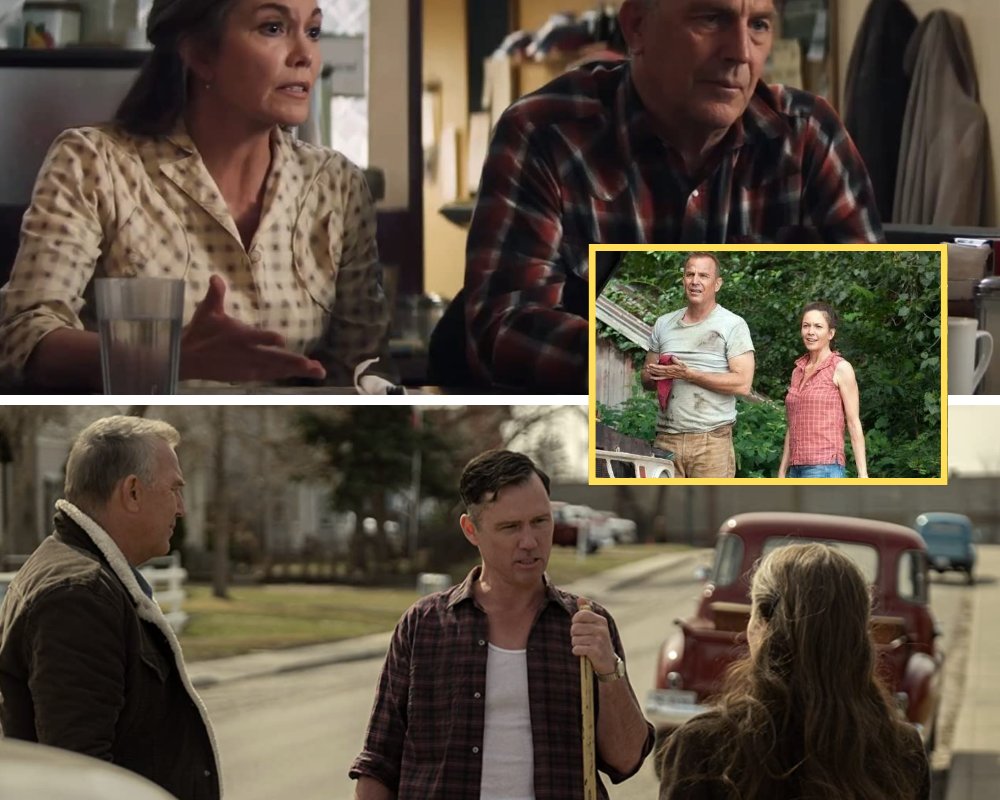
“IF YOU LOVE Yellowstone, THIS WILL HOOK YOU INSTANTLY!” — Kevin Costner’s Gritty Neo-Western Thriller “Let Him Go” Is a Raw, Ruthless Must-Watch on Netflix
In the vast, unforgiving plains where the wind howls like a warning and the sky stretches endless over rolling hills that hide both beauty and brutality, an aging couple climbs…

“THE ENDING LEFT EVERYONE SHOOK!” — Netflix’s “The Cleaning Lady” Delivers an Emotional Freefall and a Finale That Changes Everything
In the neon-drenched underbelly of Las Vegas, where the desert wind carries the scent of bleach and blood in equal measure, a woman in rubber gloves kneels on a marble…
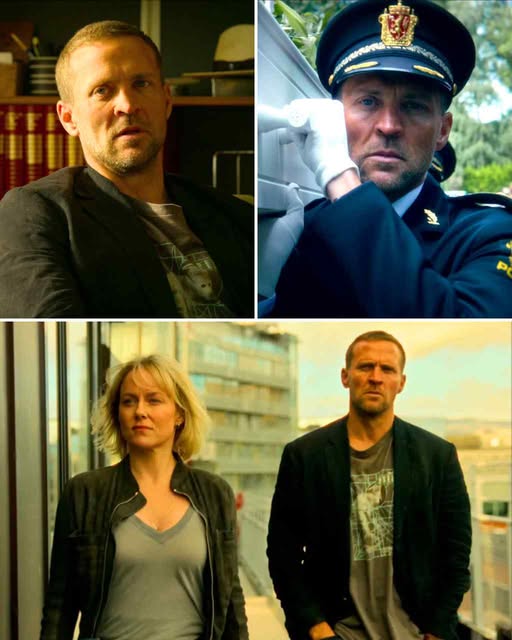
Netflix’s “Detective Hole” Explodes With 36.5 Million Hours Watched in One Week — Tobias Santelmann’s Tormented Harry Hole and Jaw-Dropping Twists Turn Nordic Noir Into a Global Obsession
In the freezing rain-slicked streets of Oslo, where the fjord winds carry whispers of old sins and the midnight sun barely touches the shadows, a man with hollow eyes and…

“The Mentalist” Is Surging on Netflix 11 Years Later — Why Simon Baker’s Charismatic Mentalist and That Slow-Burn Hunt for Red John Still Hook Viewers Like No Other Crime Show
In the golden haze of a California afternoon, where palm trees sway like indifferent witnesses and the Sacramento skyline glimmers with false promises, a man in a rumpled suit leans…

A Dark, Twisted Psychological Thriller Where Jason Bateman’s Slow-Burn Despair Meets David Harbour’s Explosive Rage, With Linda Cardellini as the Dangerously Captivating Woman at the Center of a Marriage-Shattering Disaster.
In the hazy glow of a St. Louis evening, where the Mississippi River whispers secrets to the tired suburbs, two men—lifelong friends bound by the quiet routines of local television—stumble…
End of content
No more pages to load