Philmon Lee walked onto the American Idol Hollywood Week stage in Nashville looking calm, almost understated—hands relaxed at his sides, no trace of the nerves that had once kept them buried in his pockets. The 25-year-old life insurance agent from LaGrange, Georgia, had already turned heads during auditions with a soaring, soulful rendition of “When A Man Loves A Woman” by Michael Bolton. Judges Lionel Richie, Carrie Underwood, and Luke Bryan praised his rich tone and effortless control, but they noted one critique: he stayed too reserved, hands hidden, stage presence dialed back. That feedback lingered with him. Weeks later, in the make-or-break solo round of Hollywood Week—where 127 hopefuls faced the biggest cuts in the competition’s history—Lee returned determined to prove he could command the stage as fiercely as he commanded his vocals.
The transformation was immediate and electric. Dressed in a sharp black jacket over a simple tee, he stepped forward with newfound swagger that felt almost dangerous—confident strides, open posture, eyes locked on the judges. When the opening piano notes of Teddy Swims’ chart-topping hit “Lose Control” filled the room, the shift was undeniable. Lee didn’t just sing the song—he owned it. His voice, gritty and raw in the verses, exploded into powerhouse belts that filled every corner of the arena. The emotional depth he brought to the lyrics—heartbreak, desperation, surrender—hit like a freight train. High notes soared with control and grit; runs were precise yet full of fire. By the bridge, the entire panel was leaning forward, visibly shaken.
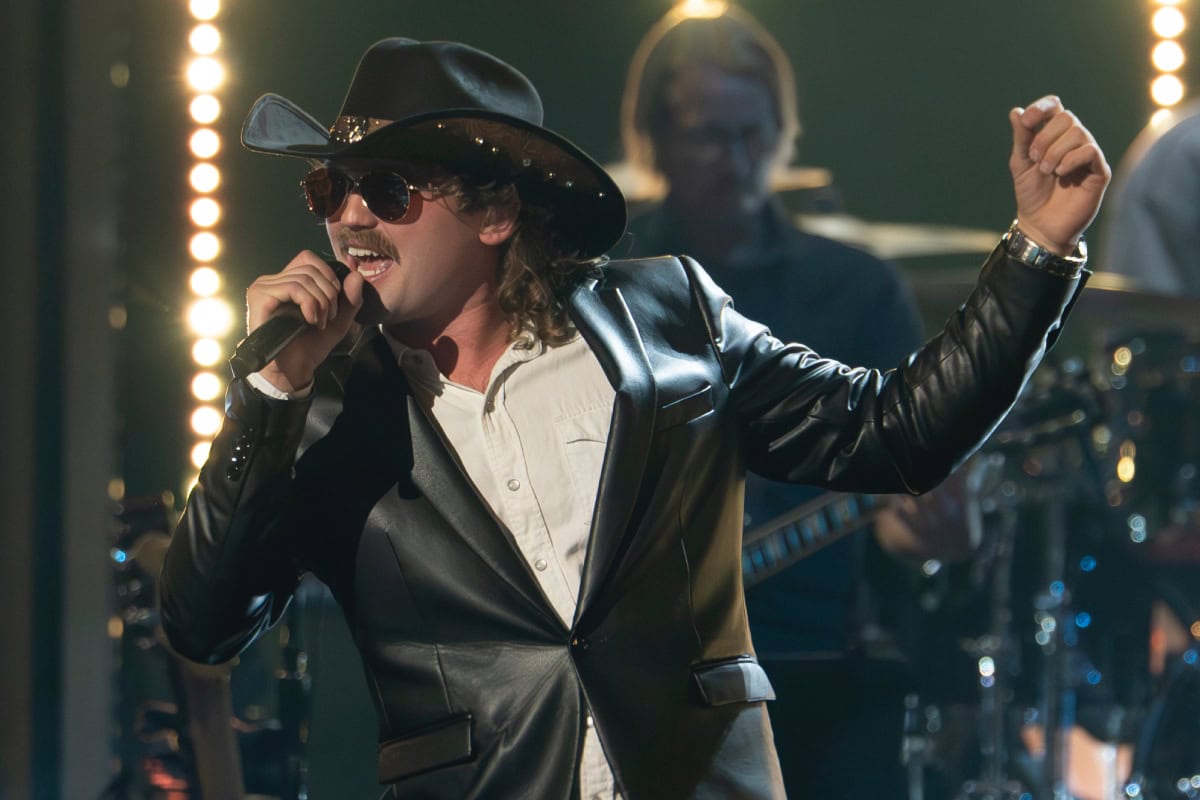
Midway through the performance, as Lee hit a particularly searing “Can’t you seeeeee?” with raw power and perfect pitch, Luke Bryan couldn’t hold back. The judge leaped out of his seat, fists pumping, cheering wildly—a rare mid-song outburst that sent energy surging through the room. Lionel Richie and Carrie Underwood quickly joined the standing ovation, the three of them on their feet before the final note even landed. The applause thundered as Lee finished, chest heaving, a small, satisfied smile breaking across his face.
The judges’ reactions poured out in a rush. Lionel Richie, still catching his breath, demanded with wide-eyed wonder: “Who possessed you tonight? Where did that come from?” He called the performance a complete transformation—raw, commanding, unforgettable. “You walked out here and knocked us right out,” he added, emphasizing how Lee had addressed every note of feedback from auditions. Carrie Underwood praised the grit and emotional honesty, noting how the song choice allowed him to showcase both power and vulnerability. Luke Bryan, still buzzing from his mid-song jump, simply called it “a shocker.” “You were born to do this,” he said, echoing his earlier audition praise but now amplified by Lee’s explosive growth. “That was dangerous—in the best way.”
Lee’s journey to this moment had been anything but smooth. A Georgia native working a steady job in insurance by day, he had always dreamed of music. After dropping out of college, he pursued singing seriously, even signing with a label for a time and recording material. Life pulled him in different directions—family, stability, the realities of adulthood—but the fire never died. Auditioning for American Idol was a leap of faith. His initial performance earned a Golden Ticket, but the judges’ pocket critique stuck with him. He admitted in pre-performance interviews that he knew he needed to grow as a performer, to step out of his shell and entertain, not just sing.
Hollywood Week in Nashville brought that growth to life. With parents watching from the side stage area, the pressure was real. Yet Lee channeled it into confidence. Gone were the hidden hands; in their place was swagger, movement, connection. The Teddy Swims cover—by a fellow Georgian from Conyers—was a smart choice, allowing him to blend soul, grit, and modern edge. The result: a standing ovation, judges on their feet, and a clear advancement to the next round (the Golden Room for those surviving the first cut).
Social media exploded almost immediately. Clips of Bryan’s mid-song leap and Richie’s “possessed” reaction went viral, racking up millions of views. Fans flooded comments: “Philmon just leveled up,” “That voice is insane,” “From pockets to powerhouse—yes!” Many called it the highlight of Hollywood Week so far, praising how he addressed feedback head-on and delivered something unexpected.
For Lee, the moment was personal. Working a day job while chasing a dream, overcoming self-doubt, and stepping into the spotlight with full commitment—he embodied the Idol spirit. The judges saw not just vocal talent but growth, heart, and star potential. As Hollywood Week continues with more cuts looming, Lee’s performance stands as a turning point: proof that feedback, when taken seriously, can unlock something extraordinary.
Philmon Lee didn’t just survive Hollywood Week—he arrived. Calm on entry, vocal monster unleashed, and a future that suddenly looks very bright. The judges are believers. The fans are hooked. And the stage? It’s his to command.