Paramount+ has unleashed a gripping new psychological thriller that has skyrocketed into the platform’s Top 10 since its global premiere on January 8, 2026. Titled Girl Taken, this six-episode limited series has viewers hooked from the opening minutes, with many confessing to marathon sessions that leave them emotionally drained yet unable to look away. What begins as a tense, atmospheric tale of abduction and survival quickly gains an even heavier weight when audiences discover the story draws inspiration from harrowing real-life cases of long-term captivity and abuse, blending fictional elements with echoes of documented horrors that make the twists feel profoundly unsettling.
The series, a British production filmed in rural England, centers on twin sisters Lily and Abby Riser, portrayed by real-life siblings Tallulah Evans and Delphi Evans in their breakout roles. Lily (Tallulah), a free-spirited 17-year-old, vanishes after accepting a ride from Rick Hansen (Alfie Allen), a beloved local teacher and pillar of the community. What follows is a nightmare that spans five years: Lily is held captive in a hidden cellar beneath Rick’s cottage, enduring years of psychological manipulation, physical abuse, and coercion. The narrative unfolds across timelines, showing the immediate aftermath of the disappearance—her devastated single mother Eve (Jill Halfpenny) spiraling into alcoholism and despair, and Abby (Delphi) grappling with guilt, rebellion, and substance issues—while also depicting Lily’s grueling captivity and eventual daring escape.
The show doesn’t shy away from the brutality. Early episodes depict the initial abduction with chilling realism: a seemingly innocuous offer of help turning into terror as Lily realizes she’s trapped. As the years pass, Rick maintains his facade in the outside world, even inserting himself into the family’s grief by offering support and staying in touch, all while exerting coercive control over his own wife, Rachel (Niamh Walsh). The series excels in portraying the long-term psychological toll—not just on the victim, but on the entire family unit left in limbo, waiting for answers that never come. When Lily finally breaks free, the story shifts to the painful reality of reintegration: rebuilding shattered relationships, confronting trauma, and facing the knowledge that her captor remains at large and manipulative, using the legal system to his advantage.
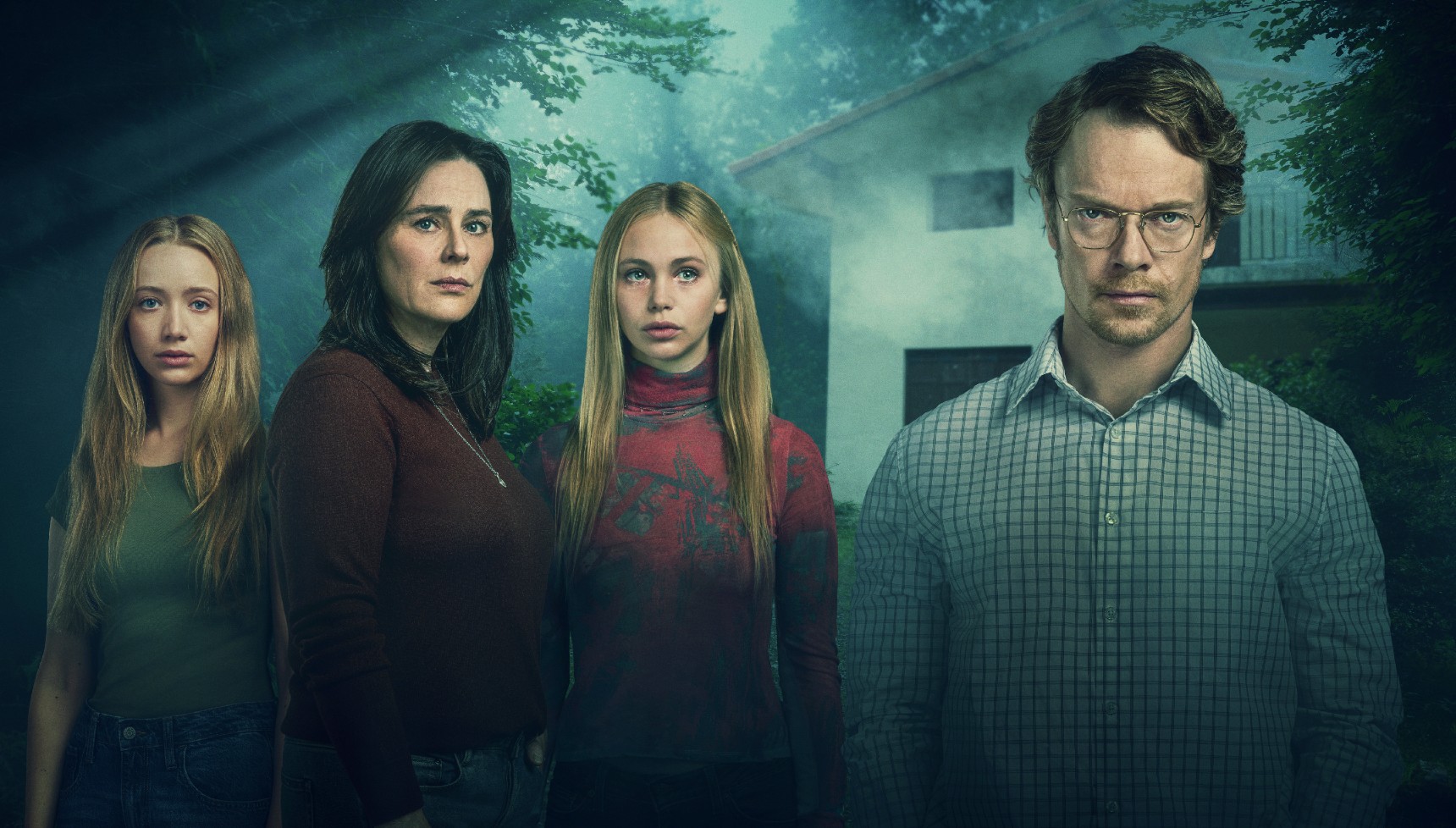
Alfie Allen, best known for his complex turn as Theon Greyjoy in Game of Thrones, delivers a standout performance as Rick Hansen. Critics and viewers alike praise his chilling restraint—he’s not a cartoonish monster but a calculated predator who hides in plain sight, earning trust through charm and authority. His portrayal underscores how such figures often blend into communities, making the horror feel all too plausible. Jill Halfpenny brings raw vulnerability to Eve, a mother whose world collapses under guilt and addiction, while the Evans sisters ground the emotional core, their real sibling bond adding authenticity to the twin dynamic of love, resentment, and unbreakable connection.
Social media has exploded with reactions, with fans calling the series “deeply unsettling” and “impossible to shake.” Many binge-watchers admit finishing it in just a few sittings, drawn in by the relentless pacing, atmospheric tension, and emotional depth. The show’s exploration of trauma’s aftermath—focusing on recovery rather than just the captivity—sets it apart from typical abduction thrillers. It delves into themes of resilience, sisterhood, coercive control, and the high cost of reclaiming one’s life, refusing to wrap things up neatly. Twists arrive not as cheap shocks but as layered revelations that force characters (and viewers) to question trust, memory, and justice.
The disturbing resonance stems from real-world parallels. While Girl Taken is fiction—adapted from Hollie Overton’s 2016 novel Baby Doll, a Sunday Times bestseller—the premise echoes infamous cases like that of Natascha Kampusch. In 1998, the 10-year-old Austrian girl was abducted by Wolfgang Přiklopil and held in a concealed cellar for over eight years before escaping in 2006. Přiklopil died by suicide shortly after her flight. Kampusch’s ordeal, involving psychological manipulation, isolation, and abuse, has been documented in books, films, and interviews, highlighting how captors can maintain control long after physical escape. Viewers have drawn these comparisons, noting how the series captures the lingering trauma and societal blind spots that allow predators to operate undetected.
Author Hollie Overton has shared that while not directly based on any single event, the novel drew from her own experiences as an identical twin and her exposure to criminal elements through her adoptive father’s ties to the Overton Gang. She emphasized the story’s focus on the twin bond—the beauty and ugliness within it—and the aftermath of trauma rather than the captivity itself. This personal inspiration adds another layer of authenticity, making the fictional narrative feel grounded in real human pain.
Directed by Laura Way and Bindu de Stoppani, with scripts by David Turpin, Suzanne Cowie, and Nessa Muthy, Girl Taken benefits from strong production values: moody cinematography of misty English countryside, tense sound design that amplifies isolation, and a deliberate pace that builds dread without relying on gore. Some reviews note inconsistencies or underdeveloped subplots in the later episodes, but the consensus highlights its emotional power and the performances, particularly Allen’s “incredible” menace and the Evans sisters’ heartfelt portrayals.
In a streaming landscape filled with crime dramas, Girl Taken stands out as more than entertainment—it’s a stark reminder of how thin the line can be between psychological fiction and the real-world horrors that inspire it. The series doesn’t glorify violence; instead, it forces reflection on survival, family bonds, and the enduring scars left by those who hide evil behind everyday masks. As buzz continues to grow, it’s clear this chilling thriller has struck a nerve, leaving audiences both riveted and profoundly disturbed.