At first, it looks like just another European detective show — but within minutes, the story turns darker, stranger… and way bigger than anyone saw coming. A team of Warsaw investigators starts chasing a string of brutal celebrity murders, only to realize they’re not separate cases at all… they’re pieces of a chilling, city-wide conspiracy tied to a shadowy anti-system group.
What makes this 13-part thriller explode online isn’t just the mystery — it’s the pace, the tension, and that constant feeling something is off. Viewers say it “keeps you glued to the screen,” even when the story gets messy or unpredictable… because every episode pulls you deeper into a world that feels both real and dangerously twisted.
It’s not polished. It’s not easy. And it’s definitely not for everyone… but that’s exactly why people are bingeing it nonstop.
Originally titled Krucjata when it premiered in Poland in 2022, Crusade is a raw, ambitious Polish crime drama that has found a passionate new audience on free streaming platforms like Channel 4’s Walter Presents. Produced with the gritty realism that defines much of Eastern European television, the 13-episode season (each roughly 45 minutes) follows a dedicated homicide unit as they investigate a series of shocking killings targeting high-profile figures in Warsaw’s glittering yet corrupt elite circles. What begins as seemingly disconnected murders — a popular TV talent show juror beaten to death, a ruthless banker found in grotesque circumstances, a high-profile journalist, a politician with secrets, and others — slowly reveals itself as a meticulously orchestrated campaign. The perpetrators appear linked to an anti-system organization operating in the shadows, driven by ideology, resentment, and a desire to expose or punish the hypocrisy of the powerful.

The series excels at blending the procedural format with larger conspiracy elements. Each episode typically opens with a standalone crime that feels visceral and immediate: brutal, sometimes bizarre murders that carry hints of ritual or message. The team pieces together forensic clues, witness statements, and digital trails, only for patterns to emerge that point toward something far more sinister than random violence. As the investigation deepens, the detectives uncover connections spanning Warsaw’s glamorous nightlife, political backrooms, media empires, and underground networks. The “anti-system” group isn’t portrayed as cartoonish villains but as a loose, ideologically fueled collective that believes the system itself is rotten — celebrities, bankers, and politicians are merely the most visible symptoms. This setup allows Crusade to comment subtly on class divides, media sensationalism, corruption, and the rage bubbling beneath modern society without ever feeling like a lecture.
The storytelling is deliberately uneven and unpredictable, which is part of its addictive charm. Episodes move at a breakneck pace in the investigative sequences — rapid cuts between crime scenes, interrogations, and tense stakeouts — but slow down for character-driven moments that reveal the personal toll of the job. There are red herrings, false leads, and moments where the conspiracy seems to slip away, only to resurface with greater force. The tone shifts fluidly between dark procedural grit, moments of black humor in the squad room, and genuine unease as the threat escalates to city-wide chaos. By the later episodes, the stakes rise dramatically, with the team realizing they may be targets themselves. It’s messy in the best way: not every thread ties up neatly, and the moral landscape remains gray, mirroring the moral ambiguities of real-world investigations.
At the center of it all stands Commissioner Jan “Mandżaro” Góra, brought to vivid, brooding life by Julian Świeżewski. Mandżaro is the quintessential flawed lead detective: intense, obsessive, and carrying the weight of past cases and personal demons. Świeżewski delivers a magnetic performance, portraying a man whose sharp instincts and relentless drive often clash with bureaucracy and his own emotional walls. Mandżaro isn’t a superhuman sleuth; he makes mistakes, clashes with superiors, and struggles to balance the job with any semblance of a personal life. His nickname “Mandżaro” hints at a larger-than-life reputation on the force, yet the character feels grounded — a chain-smoking, world-weary cop whose dry wit and quiet determination keep the team together even as the conspiracy threatens to overwhelm them.
Supporting him is a strong ensemble that gives the series its depth and texture. Tomasz Schuchardt plays Ludwik “Luizjana” Bończyk, Mandżaro’s trusted right-hand man — loyal, street-smart, and often the voice of reason or comic relief amid the darkness. Schuchardt brings warmth and grounded realism to the role, making Luizjana the emotional glue of the unit. Vanessa Aleksander appears as a key female detective whose sharp intellect and resilience add vital perspective, while Masza Wagrocka and other cast members round out the team with distinct personalities: the tech-savvy analyst, the ambitious newcomer, the veteran with old grudges. The supporting players in the victims’ circle — journalists, celebrities, politicians, and their entourages — are portrayed with nuance, avoiding stereotypes. Even the antagonists within the anti-system group receive shading that makes their motivations disturbingly understandable, if not justifiable.
The character arcs across the 13 episodes are one of Crusade’s strongest assets. Mandżaro begins the season as a competent but somewhat isolated figure, laser-focused on closing cases. As the conspiracy unfolds, his arc deepens into an exploration of obsession versus humanity. He confronts ethical dilemmas — how far to bend rules when the system itself seems complicit — and faces the personal cost of the job, including strained relationships and the constant shadow of burnout. Luizjana’s journey offers a counterpoint, highlighting themes of loyalty and the quiet heroism of supporting roles. Female characters bring additional layers, challenging the boys’-club dynamics of the unit and forcing confrontations with sexism and power imbalances in both the police force and the broader society being targeted by the killers.
The victims and their circles serve as windows into Warsaw’s underbelly. A murdered talent show juror exposes the cutthroat world of media fame; a banker’s death peels back layers of financial corruption; a politician’s killing reveals political hypocrisy. These individual stories interconnect, showing how the conspiracy exploits existing fault lines — envy of the elite, resentment toward the privileged, and a belief that justice has failed the ordinary citizen. The series doesn’t glorify the perpetrators, but it forces viewers to grapple with the uncomfortable question of why such rage festers in a modern city.
Visually and stylistically, Crusade embraces a gritty, unpolished aesthetic that enhances its tension. Warsaw is captured in all its contrasts: sleek high-rises and luxury apartments juxtaposed with gritty streets, abandoned industrial spaces, and shadowy underpasses. The direction by Łukasz Ostalski favors handheld camerawork during action and investigation scenes, creating a sense of urgency and immediacy. Lighting is often harsh or dim, mirroring the moral ambiguity, while the score pulses with understated electronic and orchestral tension that never overpowers the performances. The series isn’t afraid of graphic violence when it serves the story, but it uses it sparingly to maintain shock value without becoming exploitative.
What truly hooks viewers is that constant undercurrent of unease — the feeling that the city itself is complicit, that the lines between hunter and hunted are blurring, and that the “anti-system” threat might be closer than anyone realizes. The pacing keeps you bingeing: cliffhangers are earned rather than cheap, and revelations arrive at a rate that rewards attention without overwhelming. It’s unpredictable in the way real investigations often are — messy alliances, bureaucratic interference, personal vendettas, and sudden breakthroughs all collide.
In the end, Crusade succeeds because it refuses to play it safe. It’s a complex, gritty police procedural that evolves into something larger: a commentary on celebrity culture, institutional failure, and the dangerous appeal of radical solutions in frustrated societies. Not every plot strand resolves with Hollywood satisfaction, and some moral questions linger unresolved — exactly as they would in reality. That raw honesty, combined with committed performances and a relentless narrative drive, explains why audiences find themselves completely glued to the screen.
Whether you’re a fan of dark European crime dramas or simply crave a binge that feels unpredictable and alive, Crusade delivers. It’s not perfect, and it doesn’t try to be. Instead, it offers 13 gripping episodes of tension, twists, and human drama that linger long after the final credits. Stream it free while you can — just be prepared to lose a weekend. This is the kind of unpolished, addictive thriller that reminds us why international crime series continue to captivate global audiences.
News

“She Had No Idea She Was Being Kidnapped and About to Be Killed”: Facial Expression Analysts and Psychologists Reveal Athena Strand Showed No Fear or Distress in Chilling Video While Kneeling in Tanner Lynn Horner’s FedEx Truck
In the grainy black-and-white surveillance footage captured inside a FedEx delivery truck on November 30, 2022, a small 7-year-old girl kneels quietly behind the driver’s seat. Her posture is calm,…

Chilling Voice Note from Brian Hooker Surfaces: “I Threw the Flotation Device to Mom” – Just Hours After Alleged Threats to Throw Lynette Overboard, as Daughter Karli Aylesworth Reveals Disturbing History
A single voicemail, delivered in a eerily calm, almost monotone voice, has sent shockwaves through the investigation into the disappearance of 55-year-old Lynette Hooker in the Bahamas — and it…
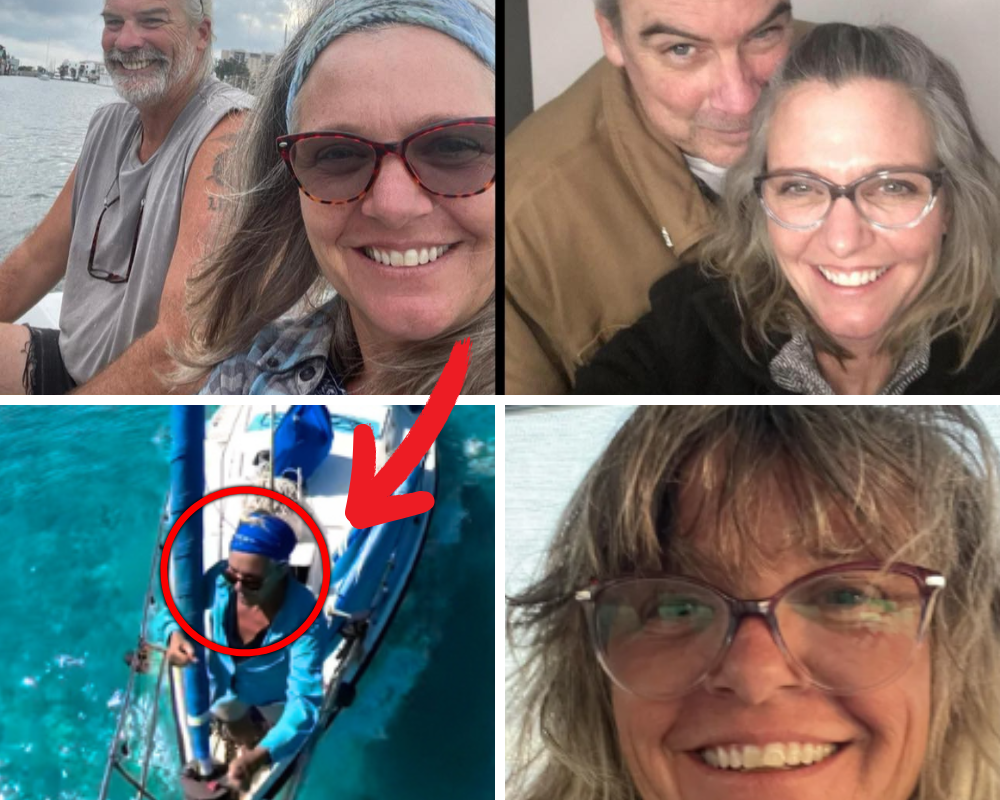
Tiny Slip in Brian Hooker’s Story Becomes Damning Evidence: Bahamas Police Arrest Him on April 8 for Alleged Intentional Murder of Wife Lynette Hooker
What began as a romantic sailing getaway in the sun-drenched Bahamas has spiraled into one of the most chilling maritime mysteries of 2026 — and authorities now say a single,…
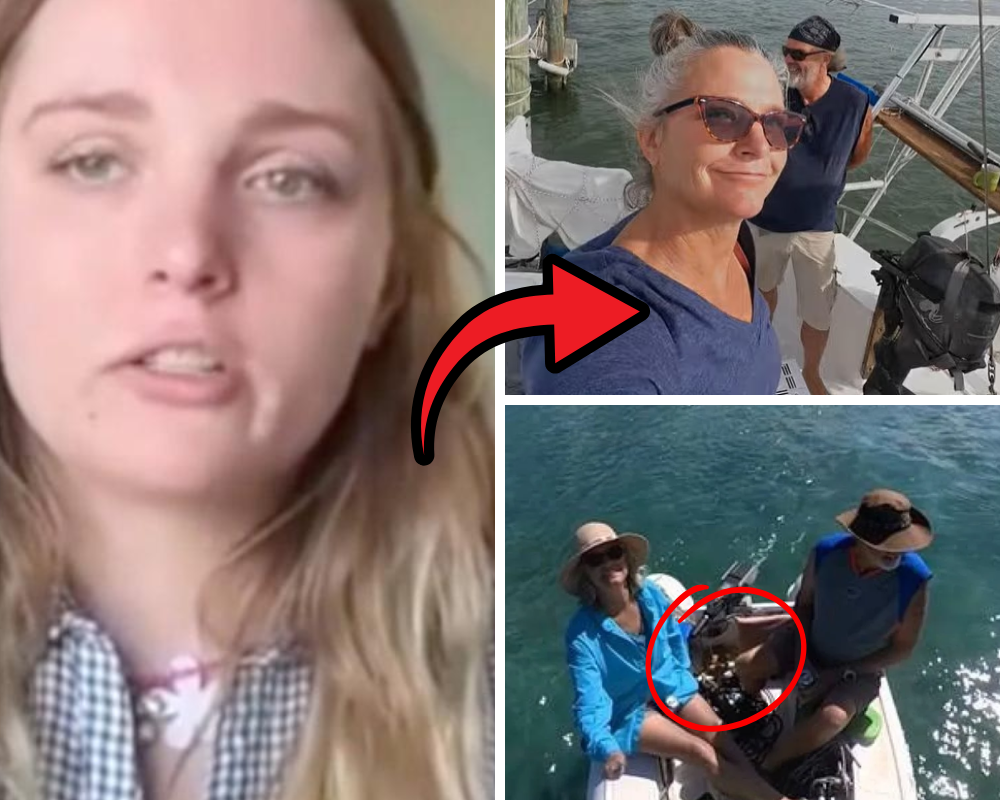
“He Used Violence Against My Mother”: Daughter of Missing American Woman in Bahamas Reveals History of Domestic Violence Amid Shocking Disappearance
In the turquoise waters of the Abaco Islands, a dream sailing adventure has turned into a nightmare that has gripped the attention of families, maritime enthusiasts, and investigators alike. Lynette…

Zendaya Steals the Spotlight Again in a Jaw-Dropping 8,000-Hour Schiaparelli Blue Gown at The Drama New York Premiere
Zendaya just stole the spotlight… again. At the New York premiere of The Drama on April 2, 2026, she arrived in a breathtaking blue look that perfectly completed her “something…
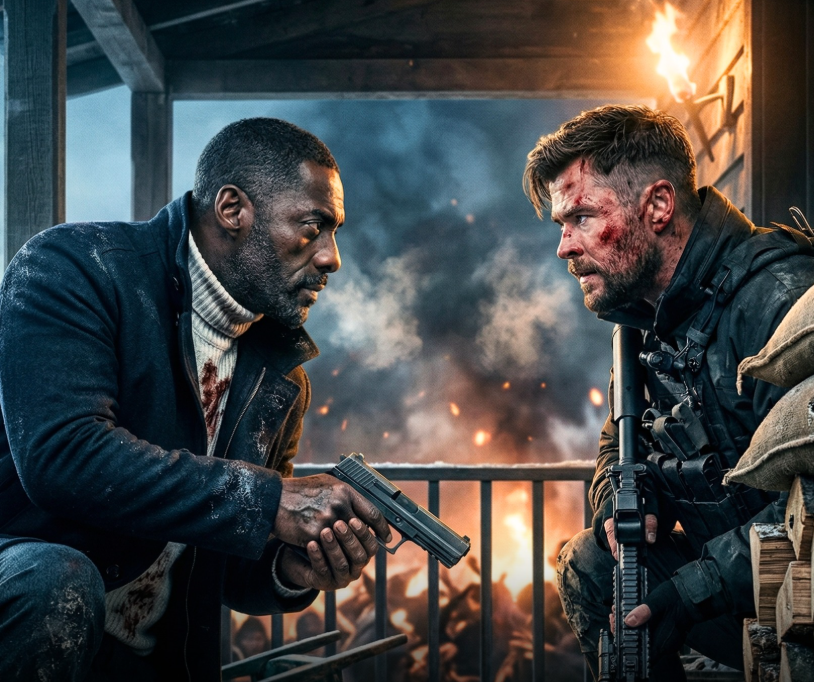
EXTRACTION 3 Officially in Production: Chris Hemsworth Returns as Tyler Rake, Idris Elba Reprises His Role in Netflix’s Most Explosive Action Sequel Yet
EXTRACTION 3 is officially charging into production on Netflix, with Chris Hemsworth locked in to return as the battle-hardened mercenary Tyler Rake after closing a major new deal. Idris Elba…
End of content
No more pages to load