“This Didn’t Feel Like Modern Country Music Anymore”: Zach Top’s Raw Honky-Tonk Takeover Steals the 2026 ACM Awards
On the night of May 17, 2026, at the MGM Grand Garden Arena in Las Vegas, something electric happened during the 61st Academy of Country Music Awards. While the show featured polished productions, star-studded collaborations, and the usual mix of pop-leaning anthems and heartfelt ballads, one performer cut through the glitz like a freight train barreling through a quiet town. The moment Zach Top stepped onto the stage, the entire atmosphere shifted. The sleek lights, scripted energy, and contemporary pop-country sheen that often defines modern awards shows suddenly vanished, replaced by roaring guitars, barroom swagger, and an unapologetic old-school country sound that fans had been craving for years.
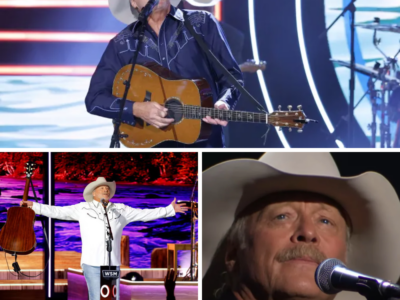
Top, already a rising force in the traditional country revival, delivered a performance of his track “Honky Tonk Till It Hurts” from his acclaimed album Ain’t In It For My Health. What unfolded wasn’t just another awards show number—it was a full-throttle transformation of the arena into a rowdy roadside dive. From the opening chords, the energy was palpable. Top, decked out in classic Western attire including a nod to George Strait with a sharp jacket, performed in front of glowing marquee lights spelling out his name, evoking the neon glory days of 90s country. The band dug in deep, laying down a sound soaked in fiddle, steel guitar, and driving rhythms that felt worlds away from the slick production dominating much of today’s radio.
As the song built, the crowd inside the MGM Grand lost control. What began with polite applause quickly escalated into stomping boots, raised beer cups (metaphorically, at least), and a collective roar that drowned out the polished production elements around it. Social media exploded in real time. Viewers at home and in the arena flooded platforms with reactions: “This didn’t feel like modern country music anymore—in the best way possible,” “Finally, someone brought the honky-tonk back to the ACMs,” and “Zach Top just saved the night.” By the final chorus, the performance had transcended a mere musical moment. Fans weren’t just cheering—they were demanding full clips, replays, and even calling Top the unexpected standout of the entire evening.
Zach Top’s journey to this breakthrough moment reflects a broader hunger in country music. Emerging from a ranch background in Sunnyside, Washington, Top has built his career on unapologetic reverence for traditional sounds. Influences like George Strait, Randy Travis, and Keith Whitley shine through in his songwriting and delivery. His previous wins, including Best Traditional Country Album at the Grammys for Ain’t In It For My Health, positioned him as a leader in the neo-traditional movement. At the 2026 ACMs, where he earned five nominations, his performance served as both celebration and statement: country music’s roots are alive, vibrant, and ready to reclaim the spotlight.
The song choice itself was perfect for the moment. “Honky Tonk Till It Hurts” is a rowdy, relatable anthem about living hard, loving harder, and finding joy in life’s messy corners. On stage, Top infused it with raw charisma—grinning through the lyrics, engaging the audience like a seasoned roadhouse performer, and letting the instrumentation breathe in ways that feel increasingly rare on major televised stages. No heavy Auto-Tune, no overproduced drops—just honest, foot-stomping country that prioritizes feel over flash. It reminded viewers of an era when awards shows doubled as platforms for genuine musical discovery rather than just visual spectacles.
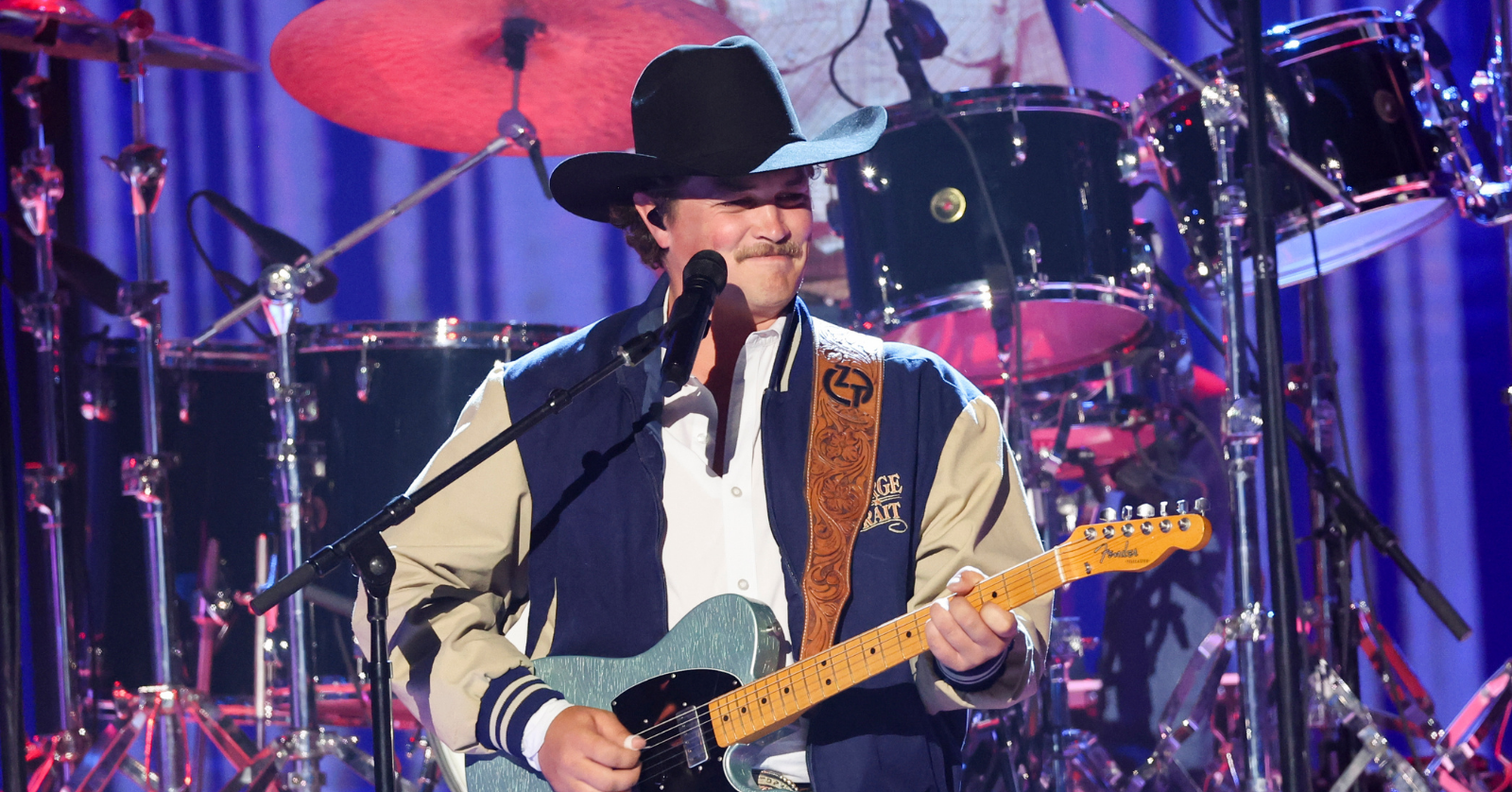
Reactions poured in from across the industry and fanbase. Fellow artists and longtime country enthusiasts praised the set for its authenticity. Social media threads lit up with comparisons to classic performances by Strait, Travis, or even earlier icons who turned awards stages into dance floors. Many noted the contrast with other numbers that leaned heavily into pop crossover elements. In a year where the ACMs featured a wide array of styles, Top’s segment stood out as a deliberate throwback that felt refreshing and necessary. One viral comment captured the sentiment perfectly: “The polished lights disappeared, and suddenly it was just pure country again.”
This wasn’t Top’s first major awards moment, but it felt like a coronation. Having already made waves with hits like “Sounds Like the Radio” and consistent touring success, his ACM performance solidified his role as a torchbearer for traditional country. Fans who have watched the genre evolve—and sometimes drift—toward pop and hip-hop fusions saw in Top a return to what drew them to country in the first place: storytelling, instrumentation, and unfiltered emotion. Clips of the performance spread rapidly, racking up millions of views and sparking conversations about the future of the format. Playlists updated, streams surged, and calls for more traditional acts on major stages grew louder.
Beyond the music, the performance highlighted Top’s stage presence. Known for high-energy live shows that turn venues into honky-tonks regardless of size, he brought that same spirit to Las Vegas. His easy grin, commanding vocals, and interaction with the band created an infectious vibe that translated through screens. Even those unfamiliar with his catalog found themselves drawn in, tapping feet and searching for the song afterward. It was the kind of breakout television moment that launches careers into the stratosphere—think early breakthroughs by artists who reminded the industry of its core appeal.
In the broader context of 2026 country music, Top’s set arrived at a pivotal time. The genre continues to grapple with questions of identity: How much crossover is too much? Where is the balance between innovation and tradition? Zach Top provides a compelling answer—not by rejecting modernity, but by proving that classic sounds can still captivate massive audiences when delivered with conviction. His success alongside other traditional-leaning artists signals a healthy diversification rather than a strict revival. Country isn’t going backward; it’s expanding its roots outward.
The viral aftermath only amplified the impact. Within hours, fans were editing full-length versions, sharing reaction videos, and tagging friends with messages like “You need to see this.” Radio programmers took notice, and industry insiders hailed it as a potential turning point for live country television. For an artist who entered the night with strong nominations but no guaranteed wins in every category, Top walked away as one of the evening’s true victors in the eyes of the audience.
What made the moment enduring wasn’t just technical skill or production value—it was the undeniable feeling of reconnection. In a landscape saturated with similar-sounding hits, Zach Top reminded everyone that country music’s power lies in its ability to transport listeners to a different emotional place: dusty dance floors, heartbreak bars, and joyful rebellions. As the final notes rang out and the crowd roared, it was clear this wasn’t just another performance. It was a reclamation.
Zach Top didn’t just perform at the 2026 ACM Awards—he hijacked the narrative. In a few electrifying minutes, he proved that the spirit of classic country isn’t nostalgia; it’s a living, breathing force ready to dominate again. Fans demanding more online aren’t exaggerating. This was the moment many had waited for: loud, rowdy, authentic, and impossible to ignore. As country music continues evolving, artists like Top ensure it never forgets where it came from—and that its best days may still lie ahead. The honky-tonk is back, and its name is Zach Top.