In a sunlit London flat, a couple laughs over takeaway curry and half-formed dreams of a nursery painted soft yellow. Lisa and Stephen are in their mid-thirties, deeply in love, and finally ready to start the family they’ve always imagined. They track ovulation apps with quiet excitement. They whisper names late at night. They tell themselves this time it will be different.
Then the bleeding starts. Again.
Babies, the powerful new six-part BBC One drama that began airing at the end of March 2026, opens with that familiar, devastating moment and never looks away. Created, written, and directed by two-time BAFTA winner Stefan Golaszewski (Him & Her, Mum), the series follows Lisa (Siobhán Cullen) and Stephen (Paapa Essiedu) as they navigate the crushing reality of recurrent pregnancy loss. What begins as hopeful anticipation slowly fractures into a landscape of grief that feels both intimately personal and painfully universal. Viewers who tuned in from the first episode report the same reaction: tears within minutes, a lump in the throat that refuses to leave, and a lingering sense that someone has finally told a story too often whispered in silence.
The drama is unflinching yet tender, raw yet laced with the dark humor that surfaces when life becomes unbearable. Lisa and Stephen want nothing more than a baby. What they face instead is a series of losses that test every foundation of their relationship—the quiet mornings after hospital visits, the forced smiles at friends’ baby showers, the way ordinary days continue while their private world collapses. The world around them keeps spinning: work deadlines, family dinners, casual conversations about the future. But inside their home, hope is repeatedly kindled and then extinguished, leaving behind a grief that society often treats as a medical footnote rather than a profound, shared mourning.
Siobhán Cullen delivers a performance of astonishing depth as Lisa. She moves from bright-eyed optimism to a bitterness that frightens even her, capturing the way grief can twist someone who was once the life of the party into someone sharp and withdrawn. There are scenes where she lies in bed, paralyzed by sorrow, and others where she lashes out at Stephen for not expressing his pain loudly enough. “They are your babies too,” she tells him in one devastating exchange, forcing him—and the audience—to confront how pregnancy loss is too often framed as a woman’s solitary burden. Cullen’s portrayal is achingly convincing, layering vulnerability with anger and resilience in equal measure.
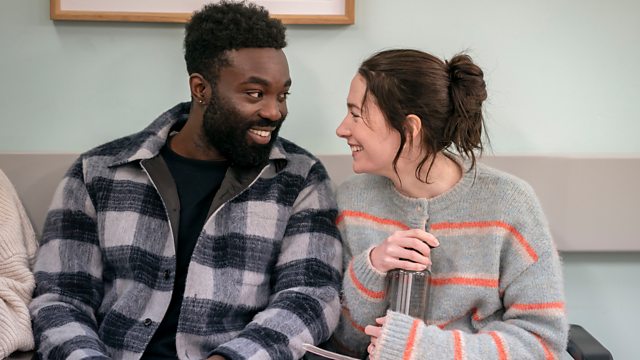
Paapa Essiedu, known for his magnetic presence in I May Destroy You and Black Mirror, brings quiet complexity to Stephen. He is the one who tries to stay positive, the one who suggests trying again even when the wounds are still fresh, the one who buries his own grief because he doesn’t know how to name it. Essiedu shows the slow erosion of a man who loves his wife fiercely but struggles to process a loss that feels invisible to the outside world. Their chemistry crackles with authenticity—the easy banter of early episodes giving way to tense silences and explosive arguments that feel earned rather than dramatic for drama’s sake. Supporting turns from Charlotte Riley and Jack Bannon as another couple navigating their own relationship challenges add texture, highlighting how fertility struggles ripple outward and expose cracks in friendships and family dynamics.
What makes Babies so resonant—and what has viewers saying the series stays with them long after the credits roll—is its refusal to offer easy comfort or tidy resolutions. Golaszewski, drawing from lived experience without making the story strictly autobiographical, portrays the non-linear nature of healing. One episode might show Lisa storming out of an in-laws’ Sunday roast only to return and eat in heavy silence. Another captures the surreal return to work after devastating news, the polite smiles masking an internal scream. The drama lingers on small, devastating details: the empty space where a crib might have stood, the clinical language of doctors that reduces profound loss to statistics, the well-meaning but tone-deaf comments from colleagues and relatives. Yet it never becomes unrelentingly bleak. Moments of warmth, humor, and unwavering commitment shine through, reminding us that love can endure even when hope flickers dangerously low.
The pivotal moment that changes everything for Lisa and Stephen—and the scene viewers cannot stop talking about—arrives with devastating simplicity. It is not a grand confrontation or a medical emergency played for shock value. It is an intimate exchange in the quiet aftermath of yet another loss, where the weight of unspoken grief finally breaks through. In that moment, the couple confronts the terrifying possibility that their shared dream might be pulling them apart rather than binding them closer. The camera holds on their faces, raw and exhausted, as one of them voices the fear that has been hovering unspoken: what if this is who we become now? What if the babies we lost have taken pieces of us we can never get back? That single, heartbreaking conversation lingers because it feels so true. It captures the isolation of a grief that many endure in private, the way it reshapes identities and forces couples to rebuild on uncertain ground.
The series also shines a necessary light on the shared nature of the trauma. While pregnancy loss is frequently discussed through a maternal lens, Babies insists that fathers and partners grieve too—differently, perhaps more silently, but no less deeply. Stephen’s struggle to articulate his sorrow, his attempts to be the strong one, and his eventual reckoning with his own pain add layers that elevate the drama beyond a simple tearjerker. It becomes a story about emotional labor, communication under pressure, and the quiet courage required to keep loving when the future looks nothing like the one you planned.
Visually, the series maintains an intimate, grounded aesthetic that mirrors its characters’ lives. London streets and cozy flats feel both familiar and confining, the everyday backdrop contrasting sharply with the emotional storm inside. Golaszewski’s direction, informed by his work on more comedic projects, allows space for naturalistic performances and long, uncomfortable silences that speak volumes. The writing is sharp and observant, blending tenderness with unflinching honesty. It treats its characters with dignity, never exploiting their pain for cheap sentimentality.
Early audience reactions have been overwhelmingly emotional. Viewers describe feeling seen in ways television rarely achieves, with many sharing that the series has opened conversations long overdue in their own families and relationships. For those who have walked this path, Babies offers validation and a sense of community. For those who haven’t, it serves as a powerful, empathetic education—urging greater compassion and awareness around an experience that affects one in four pregnancies yet remains shrouded in awkward silence.
In a television landscape often filled with high-concept thrillers and glossy escapism, Babies stands out for its courage to sit with discomfort and its commitment to emotional truth. It does not promise that everything will be okay. It does not rush toward healing or a miracle baby ending. Instead, it honors the messy, nonlinear reality of grief while celebrating the resilience of two people who refuse to let loss define the end of their story.
The couple just wanted a baby. What they faced was something else entirely—a test of love, identity, and the fragile hope that somehow, together, they might find a way forward.
That pivotal moment, the one that shifts everything between them, is what viewers carry long after the final episode. It stays because it feels real. It stays because, in its quiet devastation, it reminds us that the deepest bonds are often forged not in joy alone, but in the shared darkness where words fail and presence becomes everything.
If you are ready to feel deeply, to laugh through tears and cry through smiles, Babies is essential viewing. It is a love story, a grief story, and above all, a profoundly human story—one that speaks the unspeakable and, in doing so, makes the world feel a little less lonely.
News
The Shadow of the Quai des Orfèvres: Maigret’s 2026 Return Delivers a Fresh, Relentless Take on the Iconic Detective
Paris never sleeps, but its secrets do. In rain-slicked streets lined with glowing cafés and shadowed alleyways, a new Chief Inspector Jules Maigret has arrived—younger, hungrier, and carrying the weight…

The Hour of Darkness: How The Chosen Season 6 Is Leading Viewers Into the Shadow of the Cross
In a moonlit olive grove, sweat falls like drops of blood. A man kneels in agony, praying for another way—any way—while his closest friends sleep only steps away. The kiss…
The Cucumber Patch Murder: How Young Flavia de Luce Is Turning a Quiet English Village Into Netflix’s Next Obsession
In a quiet English village where hedgerows hide centuries of grudges and a crumbling manor house clings to faded glory, a dead body turns up in the cucumber patch. One…
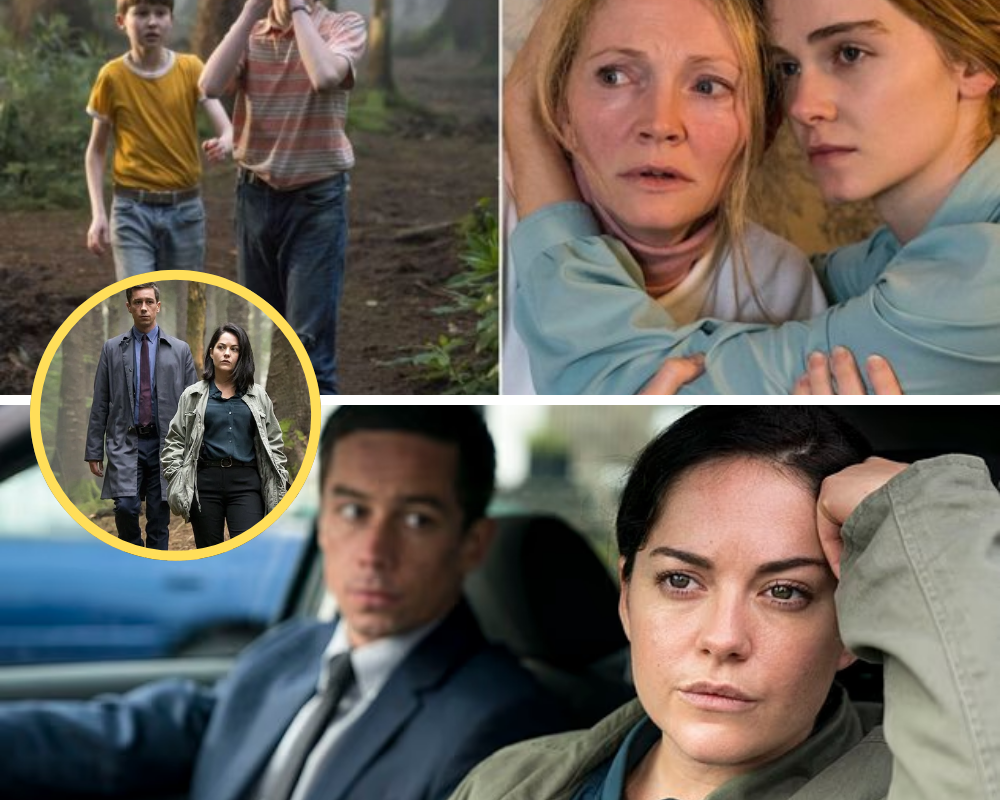
The Forgotten Woods: How “The Dublin Murders” Is Haunting Netflix Viewers All Over Again
In the misty outskirts of Dublin, where ancient woods whisper secrets older than the city itself, a young ballerina lies dead on a cold stone altar. Her body is arranged…
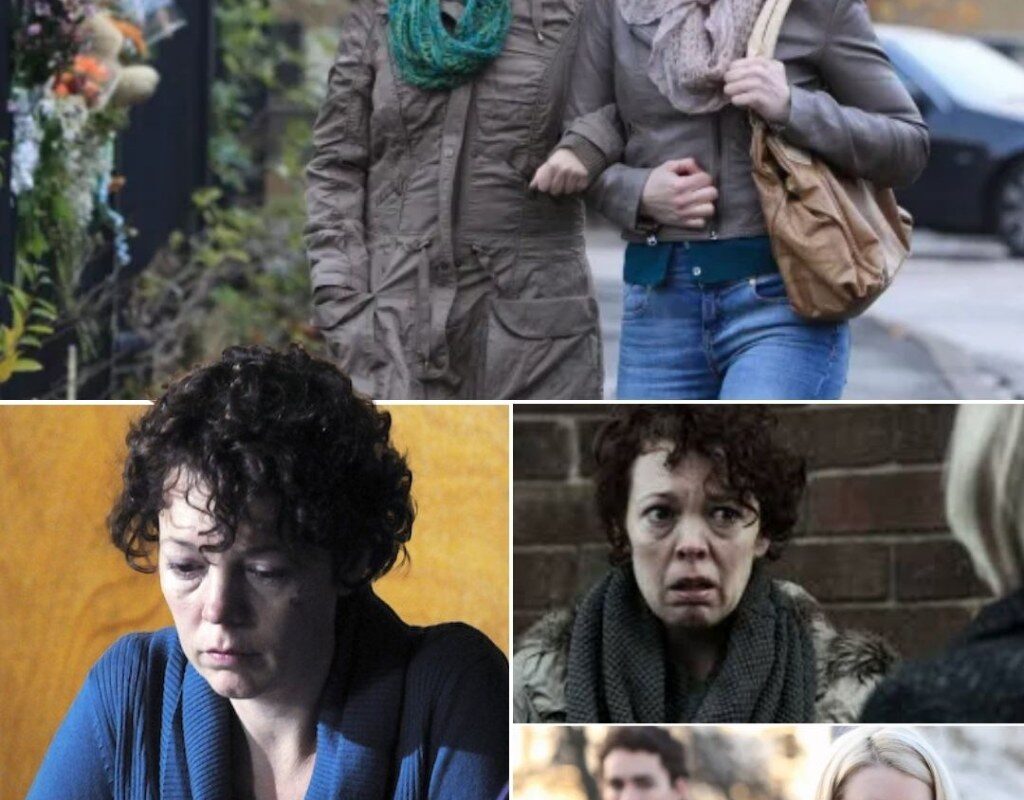
“It Starts with a Funeral… But the Truth Is Far Worse”: Netflix’s Haunting New Thriller ‘The Accused’ Unsettles Viewers with Buried Family Secrets and Standout Performances
A quiet funeral opens the door to decades of deception in Netflix’s latest psychological thriller, The Accused, a slow-burning drama that has quietly captivated audiences and left many unable to…

“Touching and Beautiful”: Taylor Sheridan’s ‘The Madison’ Overtakes Yellowstone with Record Ratings and Heartfelt Praise for Its Powerful Performances
In a landscape dominated by high-octane action and sprawling ranch conflicts, Taylor Sheridan has delivered something quieter yet profoundly moving with his latest Paramount+ series, The Madison. The six-episode neo-Western…
End of content
No more pages to load