After months of feverish anticipation and frustrating delays, British audiences can finally breathe a sigh of relief—or perhaps dread. Stephen Graham’s latest cinematic gut-punch, the twisted psychological thriller The Good Boy (also known internationally as Heel), has secured its UK and Irish release date: March 20, 2026. Distributed by Signature Entertainment, the film will hit cinemas exclusively, bringing one of the most talked-about indie gems of recent years to home turf. With a staggering 94% approval rating on Rotten Tomatoes based on early critic reviews, this isn’t just another thriller—it’s a soul-shattering experience that has left international festival-goers paralyzed, whispering about its “terrifyingly brilliant” intensity and a performance from Graham that pushes the boundaries of darkness.
Directed by acclaimed Polish filmmaker Jan Komasa (Corpus Christi), The Good Boy premiered to rapturous acclaim at the Toronto International Film Festival in 2025, later screening at the BFI London Film Festival in October. Critics immediately hailed it as a wickedly strange, psychologically rich descent into moral ambiguity, blending elements of dark fairy tale, black comedy, and unrelenting suspense. Descriptions range from “messed up” and “heart-stopping” to “completely soul-shattering,” with reviewers praising its refusal to offer easy answers or conventional thrills. The film’s high score—currently sitting at 94% from a consensus of around 18 reviews—reflects a rare level of critical unanimity for such an uncompromising vision.

The story centers on Tommy (Anson Boon), a 19-year-old hooligan immersed in a reckless world of drugs, parties, and casual violence. One fateful night, during a chaotic bender with his friends, Tommy becomes separated from the group. What follows is a nightmare he never saw coming: he is abducted by a mysterious figure and wakes up chained in the basement of an isolated suburban family home. The captor is Chris (Stephen Graham), a seemingly ordinary family man living with his wife Kathryn (Academy Award nominee Andrea Riseborough) and their young son Jonathan (Kit Rakusen). Though Tommy is no stranger to inflicting pain, the tables turn brutally as he finds himself the victim of a calculated, deeply personal ordeal.
What unfolds is a tense, claustrophobic cat-and-mouse game that subverts expectations at every turn. The film explores themes of revenge, redemption, adolescence stunted by trauma, and the blurred lines between perpetrator and victim. Tommy’s abduction isn’t random—it’s tied to a buried history that forces both captor and captive to confront their own demons. As the narrative twists and turns, viewers are drawn into a web of psychological manipulation, where alliances shift, truths unravel, and moral certainties dissolve. The suburban setting, so deceptively normal, becomes a pressure cooker amplifying every scream, whisper, and moment of dread.
At the heart of the film’s power is Stephen Graham’s performance as Chris. Known for his explosive intensity in roles across This Is England, Boardwalk Empire, and recent hits like A Thousand Blows, Graham here ventures into uncharted territory. Insiders and early viewers describe his portrayal as disturbingly committed—a man whose quiet demeanor masks a seething rage born from profound loss and betrayal. Whispers from the set suggest the role pushed Graham to a place of genuine darkness, with some claiming the emotional toll nearly disrupted production. His ability to convey both menace and vulnerability creates a character who is horrifying yet heartbreakingly human. Critics have singled out Graham’s work as the anchor, calling it “terrific,” “unsettling,” and one of the most compelling villain turns in years. Paired with Riseborough’s nuanced Kathryn—who navigates complicity with chilling restraint—and Boon’s raw breakout as Tommy, the ensemble delivers performances that feel lived-in and painfully real.
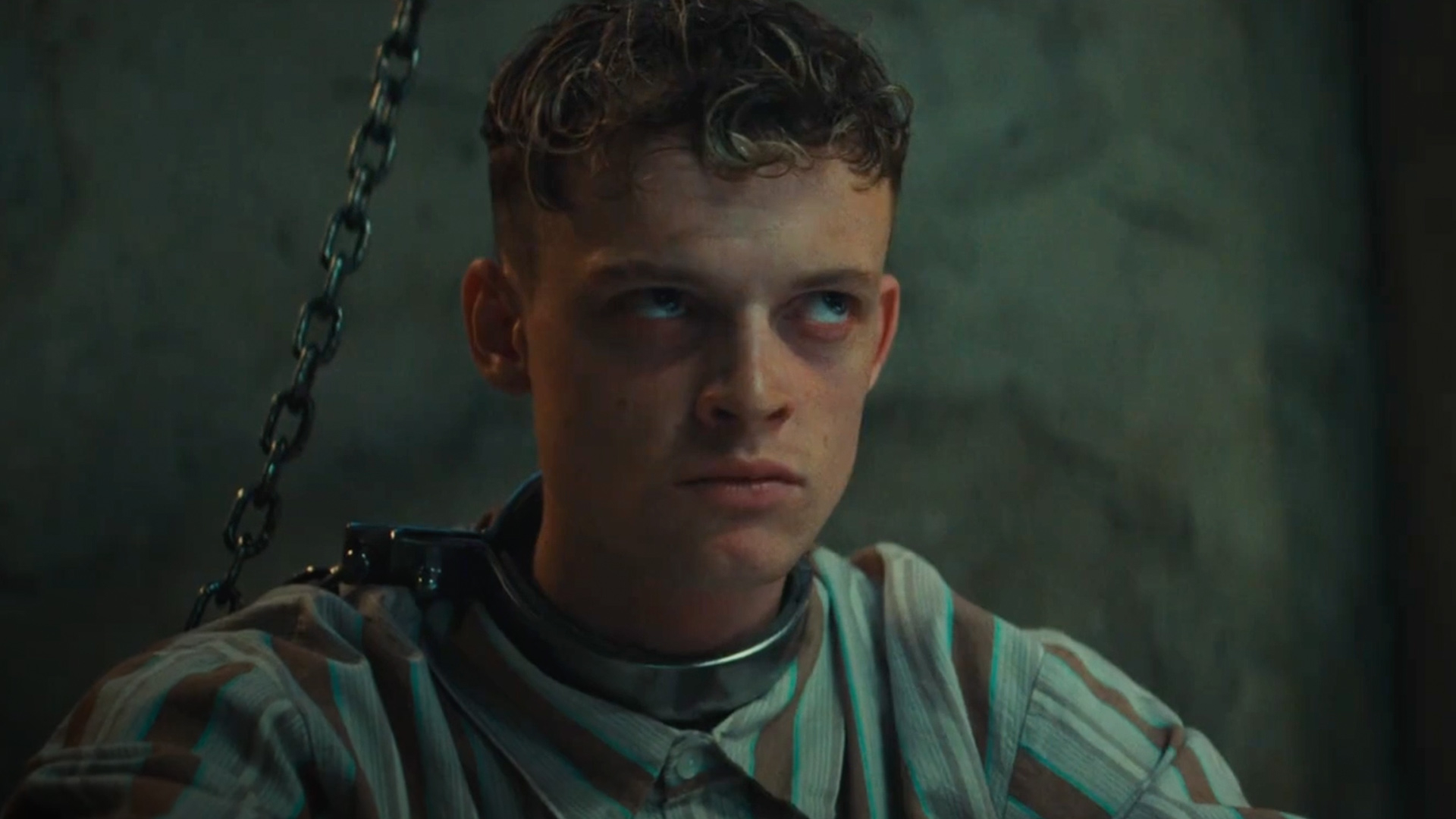
The delay in the UK release has only heightened the hype. After its triumphant festival run, the film navigated distribution hurdles common to indie productions—securing a theatrical window, navigating post-festival buzz, and aligning with a marketing push that could capitalize on Graham’s rising star power. Some speculate the content itself contributed to caution: the film’s unflinching exploration of violence, psychological torment, and taboo family dynamics may have required careful handling to avoid controversy. Whatever the reasons, the wait has built an almost mythic aura around the movie. Trailers released in early 2026 have only fueled the fire, teasing a “twisty-turny” narrative that promises to grip audiences from the first frame to the shocking finale.
That final act is already the stuff of legend. Insiders tease that the last 20 minutes contain a revelation so unthinkable it redefines the thriller genre. Without spoiling specifics, the twist reportedly flips the entire perspective, forcing viewers to reevaluate every interaction, motive, and assumption. It’s the kind of ending that sparks endless debates—some will leave theaters stunned into silence, others arguing passionately about its implications. The film’s refusal to provide catharsis or moral clarity is precisely what makes it so provocative and memorable.
Komasa’s direction amplifies the unease with a restrained visual style: tight framing, muted colors, and long, tension-filled silences that let the performances breathe. The screenplay, co-written by Bartek Bartosik and Naqqash Khalid, balances dark humor with unrelenting dread, creating a tone that’s both wickedly entertaining and profoundly disturbing. It’s a film that doesn’t just thrill—it provokes, challenging audiences to confront uncomfortable truths about justice, forgiveness, and the monsters we create through our choices.
As March 20 approaches, UK filmgoers are bracing for what could be one of the most polarizing and unforgettable cinematic experiences of the year. Stephen Graham’s chilling turn as Chris has already left international audiences “paralyzed” with fear and awe; now it’s Britain’s turn to face the darkness. Are you ready for the psychological assault critics are calling unmissable? Or is this masterpiece simply too chilling to handle? One thing is certain: once the lights go down, there’s no escaping the grip of The Good Boy.