The camera opens on the sunlit opera house in sydney, its white sails gleaming against the harbour. It is october 2018. A newly married prince harry and meghan markle step off a plane into a wall of adoring crowds. Australia welcomes them like rock stars. Flags wave. Cheers echo across the streets. The young duke and duchess of sussex glide through the country on their first official overseas tour, smiling, waving, meeting communities, and shining a light on mental health and the invictus games. The reception feels like diana mania reborn — warm, genuine, and unmistakably royal. For ten glorious days, the couple embodies the best of the modern monarchy: youthful, diverse, engaged.
Now the lens pulls back through time. Seven and a half years later, in mid-april 2026, the same couple prepares to touch down again in australia. But everything has changed. This is no longer an official royal tour. There are no taxpayer-funded jets, no palace itinerary, no formal welcome from the governor-general. Harry and meghan arrive as private citizens — the duke and duchess of sussex still, yet stripped of their working royal roles since that dramatic exit in 2020. The trip, spanning sydney, melbourne, and canberra over several days, mixes philanthropic visits, business engagements, and paid appearances. And at its heart lies a tension that royal watchers say could infuriate the palace once more: the question of whether the sussexes will lean on their royal titles to command attention and open doors in a country where king charles remains head of state.
The schedule reads like a carefully choreographed blend of causes and commerce. In melbourne, prince harry is set to speak at a major mental health summit, drawing on his long-standing advocacy. He will also connect with australian defence force personnel and the local invictus games community — the games he founded for wounded veterans, which australia hosted triumphantly in 2018. Meghan, meanwhile, headlines a women’s retreat in sydney described as a glamorous “girls’ weekend like no other,” complete with high-ticket tables and meet-and-greet opportunities. There are whispers of visits to children’s hospitals, mental health charities, and even quiet support for the push to bring invictus back to australian soil in 2031. Philanthropy remains part of the DNA. Yet critics point to the paid elements — tables selling for thousands of dollars, commercial branding opportunities — as evidence that the sussexes are monetising the very titles the late queen once urged them not to exploit for profit.
Royal experts watching from london do not hide their unease. One prominent author puts it bluntly: the couple “yearn for the catnip of attention.” They suggest the trip risks creating confusion in a commonwealth realm still tied to the crown. Australia is no neutral stage. It is one of king charles’s key realms, a place where republican sentiments simmer and where the prince and princess of wales have not visited since 2014. For the sussexes to arrive and operate in a quasi-royal manner — using styling that echoes their former official status — could feel like stepping on toes at best, and undermining the institution at worst. Palace insiders reportedly view the visit as something that “sticks in the gullet,” a reminder of unresolved family fractures playing out on an international stage.
The film cuts to split screens. On one side, archival footage of the 2018 tour: meghan in flowing dresses, harry in suits, both radiating joy as crowds surge forward. On the other, today’s landscape: leaked operational notes insisting the trip is privately funded, denials of any taxpayer burden, and a petition signed by thousands urging australia not to roll out any official welcome. Public opinion down under appears divided. Some fans still cheer the couple’s independence and humanitarian focus. Others see a calculated attempt to reclaim spotlight and relevance after a string of professional setbacks, including the quiet wind-down of high-profile netflix deals. Commentators call it a “faux-royal” itinerary, a “grubby” cash-in on residual royalty. In a nation where the monarchy’s future is openly debated, the sussexes’ presence — titles and all — carries political weight they may not fully control.
:max_bytes(150000):strip_icc():focal(999x0:1001x2)/royals-nz-21-2000-c14ae3f96c95413faaaaeb0531cd3922.jpg)
At the centre of the controversy is the simple but loaded question of nomenclature. Harry and meghan no longer use their hrh styles for official duties, a concession made when they stepped back. Yet they have retained the duke and duchess of sussex titles, and in public life they frequently deploy them. Royal protocol experts warn that brandishing those titles in australia could blur lines dangerously. It might suggest an official imprimatur that no longer exists. It could overshadow the genuine work — harry’s military connections, meghan’s advocacy for women and mental health — with accusations of entitlement. One source close to the palace puts it starkly: if the sussexes present themselves in any way that looks like a royal tour, it will infuriate senior royals who believe the couple made a clear choice to leave the working fold.
The deeper story, though, is one of identity and consequence. Prince harry has always worn his titles with a mix of pride and burden. They opened doors for invictus, for sentebale, for causes close to his heart. Stripped of the infrastructure that once supported them, he and meghan have built a new life in california — archewell, business ventures, public speaking. Yet the pull of the old world remains. Australia, with its vast landscapes, its military ties to harry, and its history of warm reception, offers a tempting stage to remind the world they still matter. Whether that reminder comes dressed in the language of duke and duchess is the flashpoint.
Meghan’s solo elements add another layer. Her appearance at the high-end women’s event, complete with premium ticketing, fuels narratives of lifestyle branding — her as ever line already trademarked extensively in australia. Harry’s military and veterans’ focus feels more authentic to his lifelong service, yet even that risks being painted as part of a broader commercial strategy. The couple’s representatives insist the visit balances private business with meaningful philanthropy. They stress no public money is involved. Still, the optics remain potent: a couple who walked away from royal duty now returning to a royal realm, titles intact, seeking both impact and income.
As the plane prepares to descend over australian soil in the coming days, the camera lingers on the harbour once more. The opera house stands unchanged, a symbol of welcome and spectacle. But the actors on this new stage carry different scripts. In 2018 they arrived as fresh faces of the firm. In 2026 they arrive as independent players, their every move scrutinised for signs of lingering royal privilege. Anti-monarchy groups have already shown interest, seeing the sussexes as potential symbols of rebellion. Loyalists brace for confusion or resentment. The palace, silent as ever on private matters, will likely watch with quiet frustration.
This australian chapter becomes more than a trip. It is a litmus test — for the sussexes’ star power without the full machinery of monarchy behind them, for their ability to separate personal brand from inherited status, and for the royal family’s tolerance of echoes from a fractured past. Harry and meghan may believe they can thread the needle: honouring causes they care about while building their future on their own terms. Yet the warning from london is clear. In a country that still bows to the king, wielding the titles of duke and duchess risks reigniting old resentments and proving, once again, that some crowns are easier to lay down than to wear lightly.
The engines hum. The wheels will soon touch tarmac. And somewhere across the globe, in quiet palace corridors, eyes turn toward the southern hemisphere with a mixture of resignation and unease. The sussexes are coming. The titles travel with them. And the question of attention — who craves it, who controls it, and at what cost — hangs heavy in the warm australian air.
News
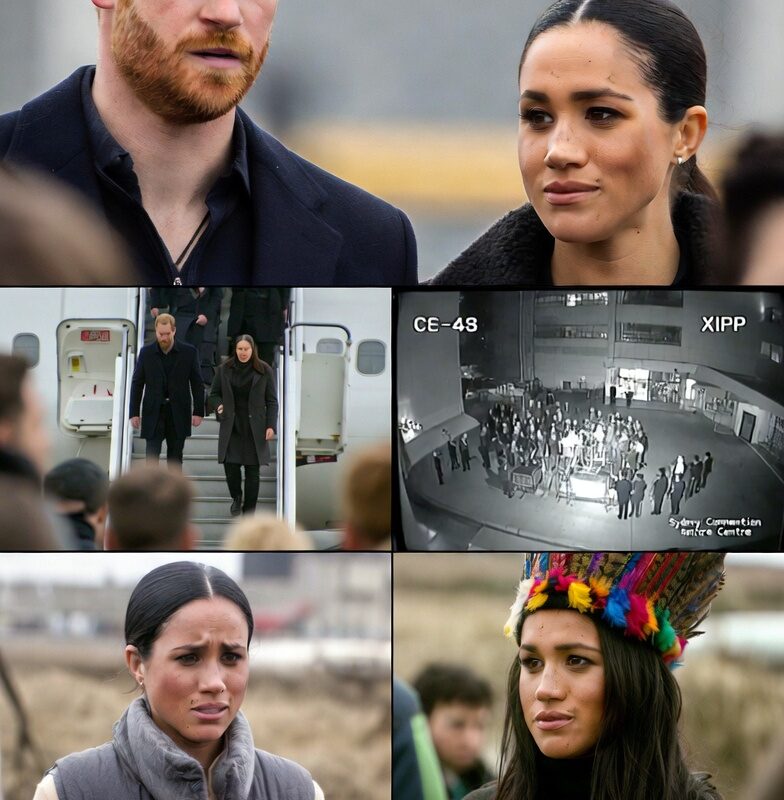
The Empty Seats and the Bitter Homecoming: How Prince Harry and Meghan Markle’s Promised Australian Return Turned into an Unwelcome Reality.
The camera opens on the sparkling sydney harbour at dawn, the opera house sails catching the first light exactly as they did in 2018. Back then the images were pure…
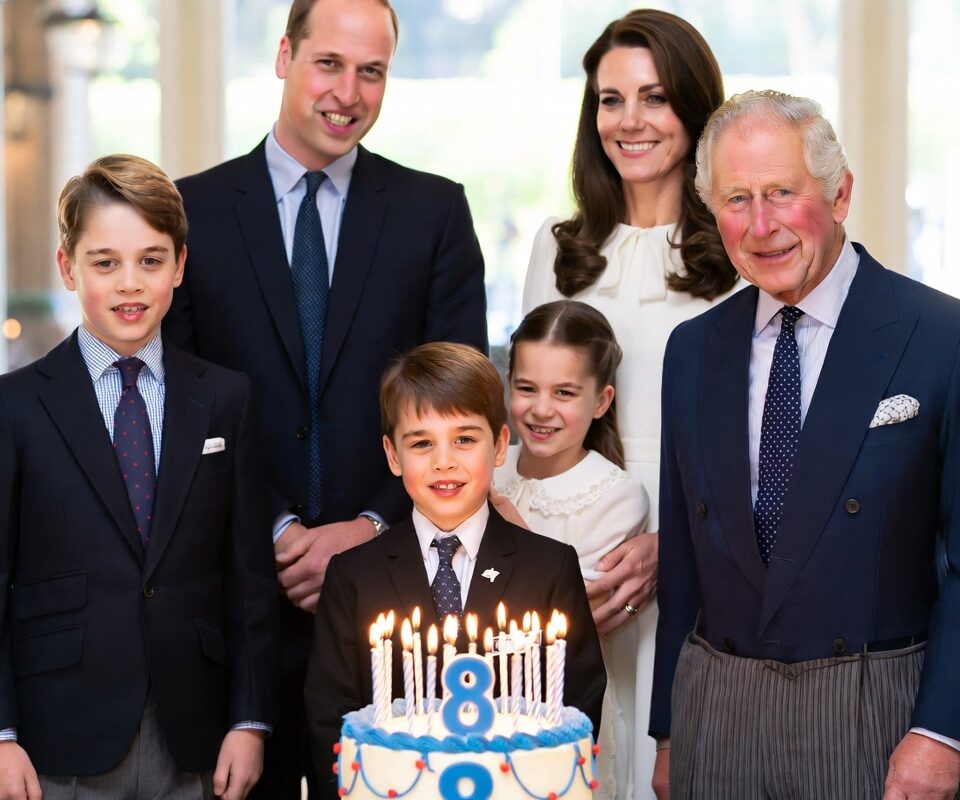
The little prince who steals every scene: happy 8th birthday to prince louis, the youngest royal who keeps winning hearts.
The camera slowly pans across the manicured lawns of windsor or adelaide cottage on a bright april morning in 2026. Spring flowers nod in the gentle breeze. Birds sing overhead….
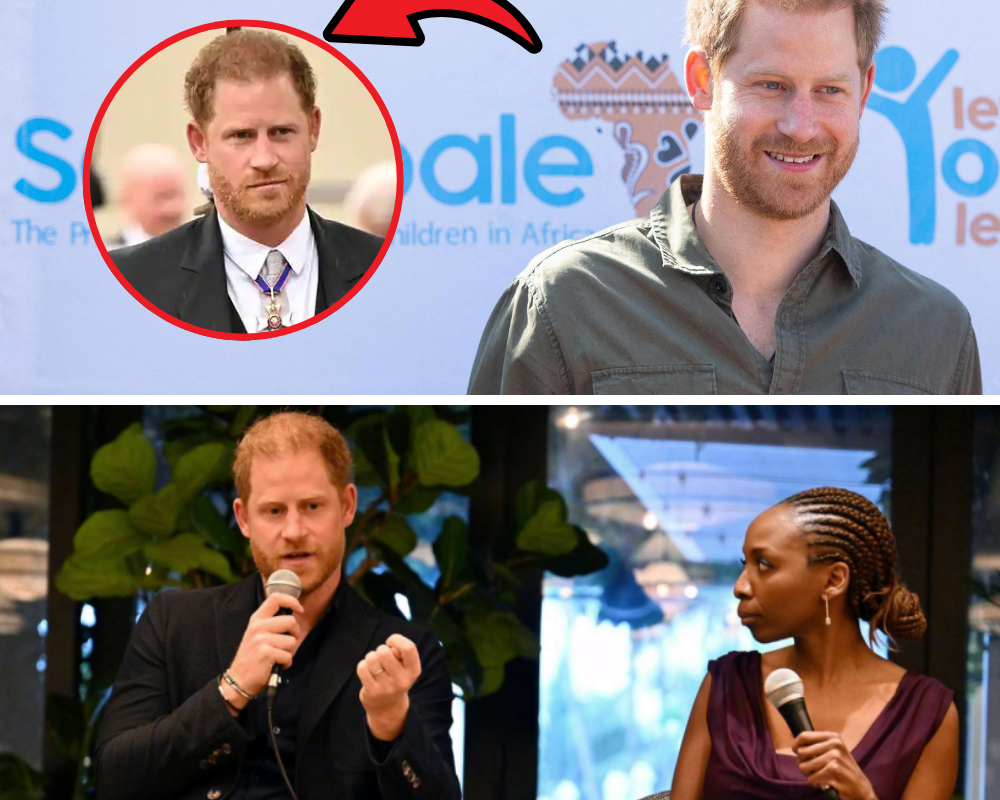
From Forget-me-not To Courtroom Battle: Sentebale Sues Prince Harry Over Defamation
The legacy that turned bitter: how a charity born from princess diana’s memory is now suing prince harry for defamation. The camera opens on a dusty road in lesotho, southern…
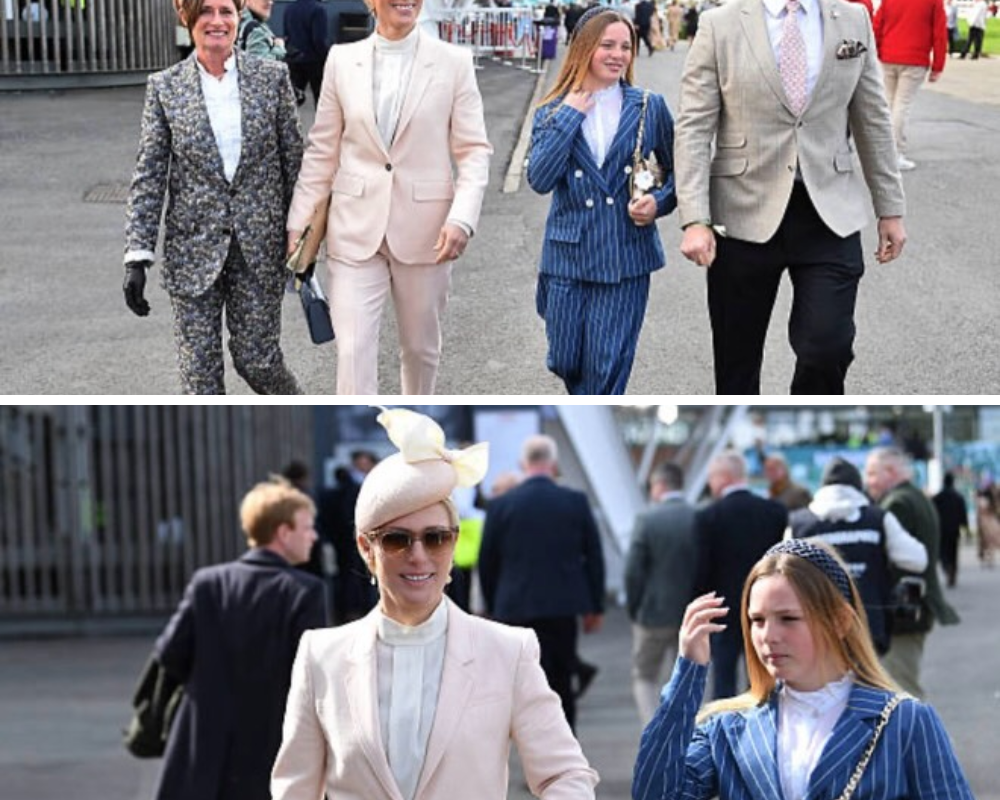
Zara, Mike and Mia Tindall share bright smiles and sunshine at Aintree Ladies Day
The camera opens on a wide, sun-drenched shot of aintree racecourse in liverpool. It is friday, 10 april 2026 — ladies day at the randox grand national festival. The famous…

The king never left… austin just reminded the world why the crown was never up for grabs.
The Moody Center in Austin, Texas, pulses like a living heartbeat under the warm April night sky of 2026. Spotlights slice through the haze of anticipation, cutting across 15,000 faces—cowboy…

The Night Texas Demanded It — And Brandon Lake Delivered: Cody Johnson Surprise Duet Sends Frost Bank Center Into Absolute Chaos
A sold-out Texas crowd thought they were witnessing just another unforgettable stop on the tour — until one unexpected moment flipped the entire arena upside down. As the music paused…
End of content
No more pages to load