The Starling: This Hidden Netflix Drama About Grief, Marriage, and a Vicious Little Bird Is Quietly Breaking Viewers’ Hearts
In the landscape of streaming entertainment, where flashy blockbusters and high-concept thrillers often dominate the conversation, The Starling (2021) stands out as a modest, deeply human story that sneaks up on you. Directed by Theodore Melfi (Hidden Figures) and written by Matt Harris, this Netflix comedy-drama centers on the raw aftermath of unimaginable loss. Melissa McCarthy delivers one of the most nuanced and emotionally layered performances of her career as a woman navigating profound grief while trying to hold her marriage and sense of self together. What begins as a seemingly quirky tale involving an aggressive bird evolves into a poignant exploration of healing, resilience, and the quiet ways people reconnect with life.
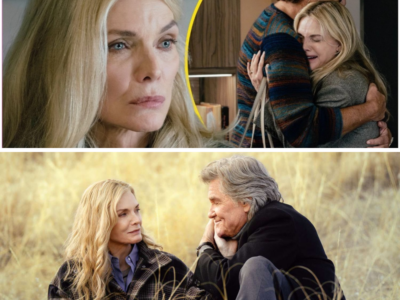
The film opens on Lilly and Jack Maynard, a couple whose world has been shattered by the sudden death of their infant daughter from Sudden Infant Death Syndrome (SIDS). A year later, the pain remains visceral. Jack (Chris O’Dowd), a schoolteacher, has checked himself into a mental health facility called New Horizons, overwhelmed by depression that predates the tragedy. Lilly (McCarthy), left to manage their home and her job at a local grocery store, throws herself into physical tasks—cleaning, gardening, and maintaining a facade of normalcy—to avoid confronting her own emotions. Their visits feel strained; love is still there, but it’s buried under layers of guilt, anger, and disconnection.
Enter the starling. This territorial bird has built a nest near Lilly’s garden and launches daily aerial assaults on her. What starts as an annoyance quickly becomes an obsession. Lilly’s increasingly elaborate and comical attempts to evict the feisty creature—using everything from a fake owl to more aggressive tactics—serve as both comic relief and a powerful metaphor for her internal battle. The bird represents the persistent, uncontrollable nature of grief: no matter how hard you fight it or try to banish it, it keeps coming back, demanding attention.
McCarthy shines in these sequences, blending physical comedy with simmering rage and vulnerability. Her Lilly is practical, sarcastic, and fiercely independent on the surface, but cracks appear as she interacts with her quirky boss Travis (Timothy Olyphant), a cheerful young coworker Dickie (Skyler Gisondo), and others in her orbit. These supporting characters provide gentle humor and moments of connection, reminding viewers that life continues in small, ordinary ways even after catastrophe.
The turning point comes when Lilly seeks help for the bird problem from Larry Fine (Kevin Kline), a veterinarian who also happens to be a former psychologist. Kline brings warmth, wisdom, and dry wit to the role, making Larry an ideal confidant—someone who sees through Lilly’s defenses without pushing too hard. Their sessions, ostensibly about animal behavior, gradually shift into heartfelt conversations about loss, marriage, and the courage to feel again. Larry’s own past struggles add depth, creating a gentle mentorship that helps Lilly begin to process her pain.
One of the film’s greatest strengths is its honest portrayal of how grief manifests differently for each person in a relationship. Jack withdraws inward, grappling with pre-existing depression and a sense of failure. Lilly externalizes her struggle through action and caretaking, often neglecting her own needs. The script avoids easy resolutions or blame, instead showing the slow, messy work of rebuilding trust. O’Dowd’s understated performance captures Jack’s quiet despair and tentative hope beautifully, making the couple’s reconnection feel earned rather than inevitable.
The movie doesn’t shy away from heavy moments. Flashbacks to the baby’s brief life and the immediate aftermath are handled with sensitivity, underscoring the couple’s shared joy before tragedy struck. Group therapy scenes at the facility highlight the universality of loss—different people, same aching void—while avoiding preachiness. Humor arises naturally from character interactions and Lilly’s bird battles, providing necessary levity without undermining the emotional core.

Thematically, The Starling is rich with ideas about partnership and renewal. Starlings are social birds that mate for life and defend their nests together. Larry explains this to Lilly, drawing a parallel to human relationships: we’re not meant to face life’s hardships alone. The bird’s persistence mirrors the inevitability of pain, but also the possibility of coexistence and growth. By the end, Lilly’s journey with the starling—from antagonist to patient to symbol of acceptance—mirrors her personal healing. She learns that moving forward doesn’t mean forgetting or erasing the loss; it means integrating it into a life that still holds room for love and joy.
Critics were divided upon release. Some praised the cast’s chemistry and the film’s heartfelt intentions, while others found the metaphors heavy-handed and the tone uneven, labeling it overly sentimental. On Rotten Tomatoes, it holds a low critics’ score but has connected more warmly with general audiences who appreciate its sincerity and emotional payoff. McCarthy, in particular, earned acclaim for stretching beyond her comedic roots into quieter, more dramatic territory.
What makes The Starling quietly powerful is its refusal to offer pat answers. There’s no grand revelation explaining why the tragedy happened—SIDS remains a heartbreaking mystery. Instead, the film focuses on the “after”: how two people who love each other find their way back when the world has shifted under their feet. It acknowledges the toll on marriages, the isolation of grief, and the small victories that accumulate into healing.
Supporting performances add texture. Kim Quinn, Rosalind Chao, Loretta Devine, Daveed Diggs, and Laura Harrier round out the ensemble, each contributing moments of levity, wisdom, or confrontation that enrich the central story. The suburban setting—modest homes, grocery aisles, and an untamed garden—grounds the drama in everyday reality, making it relatable.
Visually, Melfi’s direction is understated, favoring natural light and intimate close-ups that capture micro-expressions of pain and tentative smiles. The score by Benjamin Wallfisch complements the mood, swelling during emotional peaks without overpowering quieter scenes. The CGI bird occasionally draws attention to itself, but the physical comedy around it more than compensates.
Ultimately, The Starling is a story about choosing life again. Lilly’s garden, once a battlefield, becomes a space of possibility. Her marriage, tested to its limits, emerges stronger through honesty and mutual support. The film reminds us that healing isn’t linear or complete; it’s ongoing, often absurd, sometimes funny, and always worth fighting for.
In an era of content that can feel disposable, The Starling lingers because it speaks to something fundamental. Loss touches everyone eventually—whether through death, heartbreak, or other profound changes. This film doesn’t promise easy comfort, but it does offer hope: that we can survive the vicious little birds in our lives, that connection can endure, and that even after the worst has happened, there is still space to plant new seeds and watch them grow.
Viewers who have experienced deep grief often report finding catharsis in Lilly’s journey. Others appreciate the reminder that it’s okay to laugh amid tears, to seek help, and to keep showing up for the people we love. It may not be flashy or revolutionary, but in its quiet way, The Starling breaks hearts and then gently puts them back together—much like life itsel