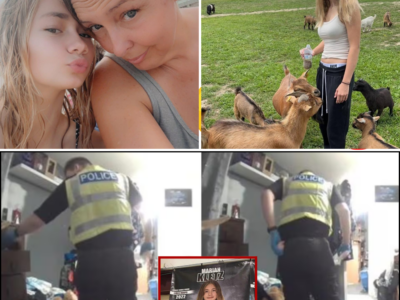
The devastating shooting spree that claimed three lives in December 2025 has been linked to a deep-seated grudge harbored by the suspect for over two decades. Claudio Manuel Neves Valente, a 48-year-old Portuguese national and former Brown University graduate student, carried out a calculated attack rooted in bitterness over his failed academic career and perceived slights from his time at the prestigious Ivy League institution. Investigators believe this long-festering resentment, combined with personal frustrations, propelled Valente into a violent rampage that shook the academic world and left communities in mourning.
The tragedy began on December 13, 2025, when Valente entered the Barus and Holley Building on Brown’s Providence, Rhode Island campus—the School of Engineering and Physics facility. Around 4 p.m., during a busy period of final exams and review sessions, he opened fire in a classroom, killing two undergraduate students and injuring nine others. The victims who lost their lives were Ella Cook, a 19-year-old talented pianist and vice president of the university’s Republican Club, and Mukhammad Aziz Umurzokov, an 18-year-old scholarship student known for his brilliance and kindness.
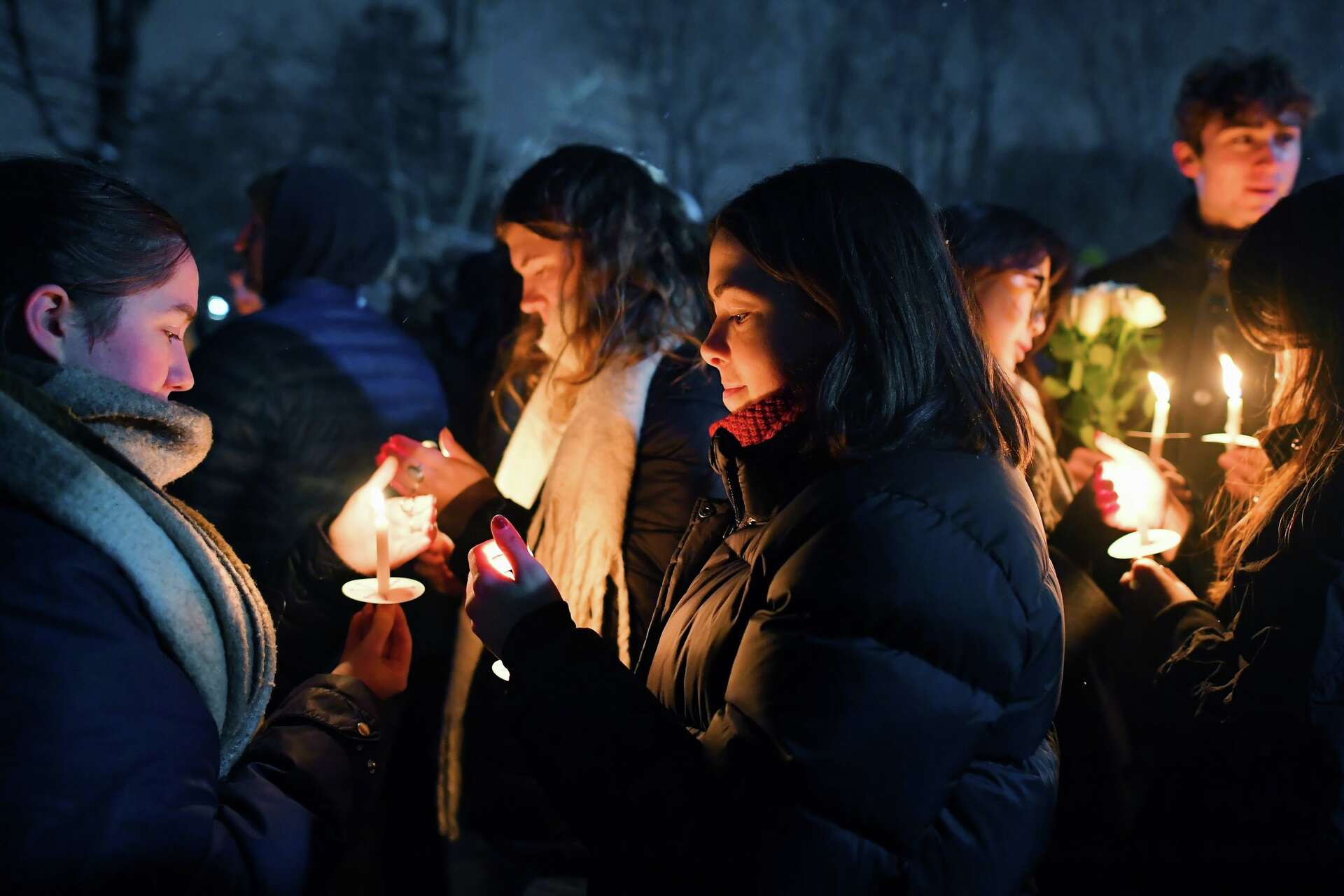
Memorials quickly sprang up on campus, with flowers and candles honoring the young lives cut short.
Two days later, on December 15, Valente allegedly struck again, fatally shooting Nuno F.G. Loureiro, a renowned MIT physics professor, at his home in Brookline, Massachusetts. Loureiro, 47, was a fellow Portuguese physicist who had attended the same undergraduate program as Valente in Lisbon decades earlier. Ballistic evidence connected the weapons found with Valente to both incidents, painting a picture of targeted vengeance spanning institutions and years.

Nuno Loureiro, the acclaimed MIT professor whose success may have fueled the suspect’s envy.
Valente’s body was discovered on December 18 in a New Hampshire storage unit, dead from a self-inflicted gunshot wound, ending a multi-state manhunt. Guns matching those used in the attacks were found with him. While a formal manifesto has not been publicly detailed, the pattern of his actions—scouting Brown’s campus weeks in advance, targeting the building where he once studied, and then eliminating a former classmate who achieved prominence—points unmistakably to revenge.
Valente’s connection to Brown dated back to 2000, when he arrived in the U.S. on a student visa to pursue a Ph.D. in physics. A prodigy in Portugal, where he excelled in national competitions and studied at the elite Instituto Superior Técnico, Valente quickly grew disillusioned. Former classmates described him as exceptionally brilliant but arrogant, often clashing with peers and viewing others as inferior. He complained that courses were too easy, yet struggled with the program’s demands or interpersonal dynamics. After less than a year, he took a leave of absence and formally withdrew in 2003, leaving without a degree.
An archived message from around that time hinted at lingering bitterness, with cryptic references suggesting self-deception and resentment. Classmates recalled his disruptive attitude, unnecessary conflicts, and a sense that he felt the program was beneath him. One associate noted Valente’s view of peers as “incapable,” wasting his time. This perceived failure at Brown—a stark contrast to his early promise—appeared to haunt him, festering into hatred over 25 years.

Claudio Manuel Neves Valente, the former Brown student whose unresolved anger turned deadly.
The grudge extended to Loureiro, a contemporary from Portugal who thrived in academia. Both overlapped at Instituto Superior Técnico in the late 1990s, and Loureiro’s rise to a directorship at MIT’s Plasma Science and Fusion Center may have amplified Valente’s feelings of inadequacy. Investigators see the killings as symbolic: striking at the institution that “rejected” him and a peer who embodied the success he never attained.
Valente’s life after Brown remains shadowy. He gained U.S. permanent residency in 2017, with a last known address in Miami. Sightings placed him in New England throughout 2025, and he was spotted behaving suspiciously on Brown’s campus as early as late November. He rented cars, changed plates to evade detection, and used cash or untraceable methods, indicating premeditation.
The attacks devastated communities. At Brown, classes and exams were canceled, campuses locked down, and vigils held amid profound grief. Students described chaos—hiding under desks, barricading doors—as gunfire erupted. Survivors grappled with trauma, while families mourned vibrant young lives extinguished.

The Barus and Holley Building, site of the campus shooting, became a focal point of investigation and sorrow.
MIT mourned Loureiro, a pioneering researcher whose work advanced fusion energy. His death, in his own home, underscored the personal nature of the violence.
This case highlights the dangers of unresolved resentment, especially in high-achieving environments where failure feels catastrophic. Valente’s story—a talented individual derailed by perceived slights—serves as a cautionary tale. Mental health struggles, isolation, and access to firearms compounded the risk.
In the aftermath, discussions intensified around campus security, gun laws, and support for international students facing academic pressures. Brown’s president emphasized healing, mobilizing resources for counseling and community support. Memorials grew, symbols of lives lost and a collective resolve to prevent future tragedies.
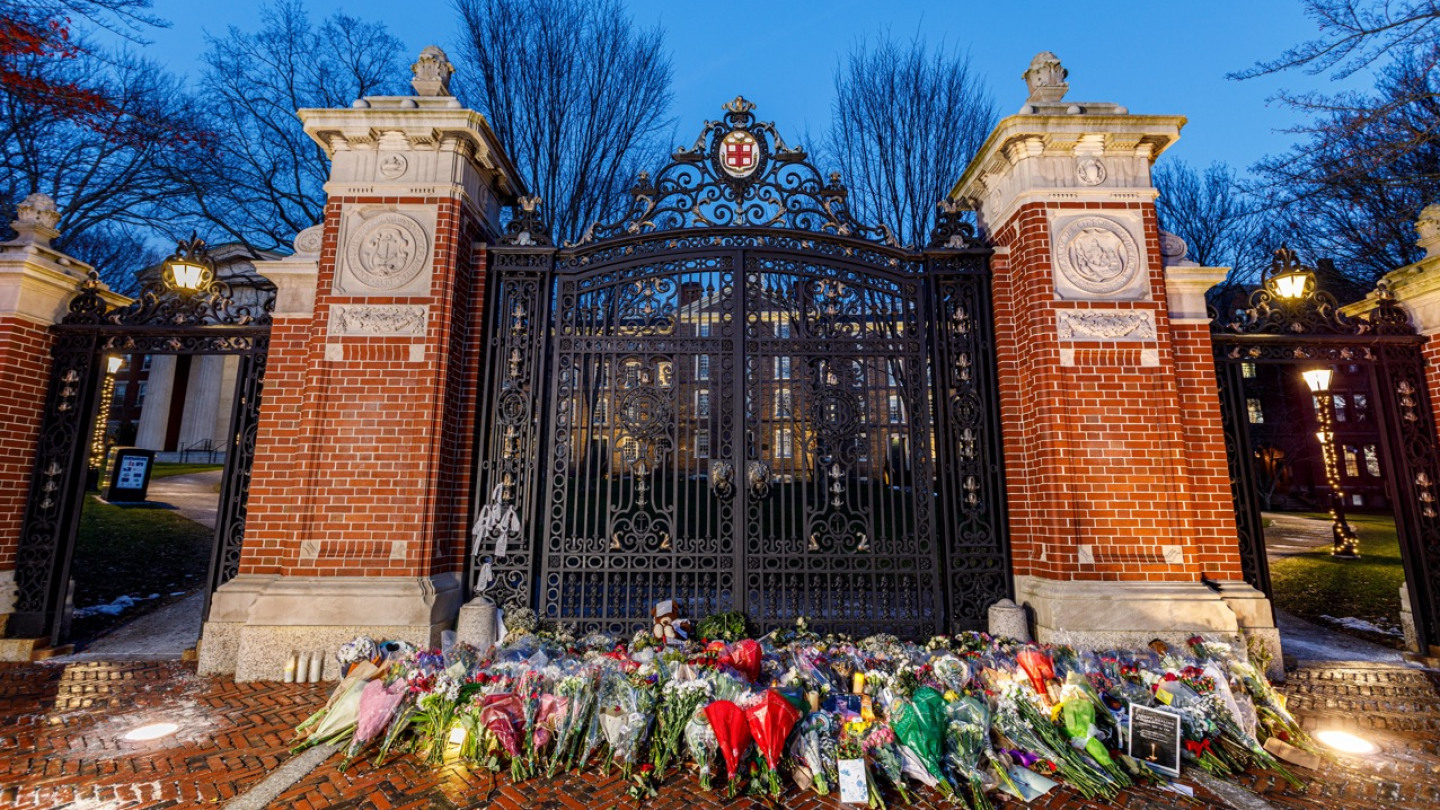
Flowers at the Van Wickle Gates, a poignant tribute to the victims.
The revelation of this 25-year grudge explains the “why,” though it offers little comfort. It reminds us how buried pain can erupt catastrophically, claiming innocent lives. As investigations conclude, the focus shifts to remembrance, recovery, and ensuring such hatred finds no outlet again.