Netflix’s The Lincoln Lawyer has long thrived on courtroom drama, clever twists, and Mickey Haller’s signature charm as he defends clients from the back of his iconic Lincoln Continental. But Season 4, which premiered on February 5, 2026, elevates the series to new heights by flipping the script: this time, Mickey isn’t the savior—he’s the accused. Adapting Michael Connelly’s The Law of Innocence, the 10-episode run delivers the show’s most intense, personal, and emotionally devastating chapter yet. Old loyalties fracture under pressure, new faces enter the fray, and one late-season moment redefines Mickey’s world in ways fans never saw coming. The stakes aren’t just legal—they’re profoundly human, leaving scars that linger long after the gavel falls.
The season opens right where Season 3 left off: a routine traffic stop turns catastrophic when police discover the body of Mickey’s former client, Sam Scales (Christopher Thornton), in the trunk of his Lincoln. Mickey (Manuel Garcia-Rulfo) is arrested for murder, thrust into a nightmare where he’s forced to defend himself from behind bars. The once-unshakable defense attorney now experiences the system he has spent his career navigating—from the inside. Incarcerated, then under house arrest, Mickey grapples with isolation, fear, and the erosion of his reputation. His firm hangs by a thread, clients vanish, and the media paints him as guilty before trial even begins.
The core conflict revolves around unraveling Sam’s final scam—a scheme involving fraud that drew dangerous enemies. Mickey’s team must expose the real killer while battling a relentless district attorney, FBI scrutiny, and echoes from Mickey’s past. The investigation peels back layers of deception, forcing Mickey to confront how his choices have rippled through the lives of those closest to him. The courtroom battles are gripping, with sharp cross-examinations and strategic maneuvers that showcase why the series excels in legal procedural storytelling. Yet the true power lies in the personal toll: Mickey’s vulnerability is laid bare as he questions his methods, his relationships, and his identity as a man who always wins.
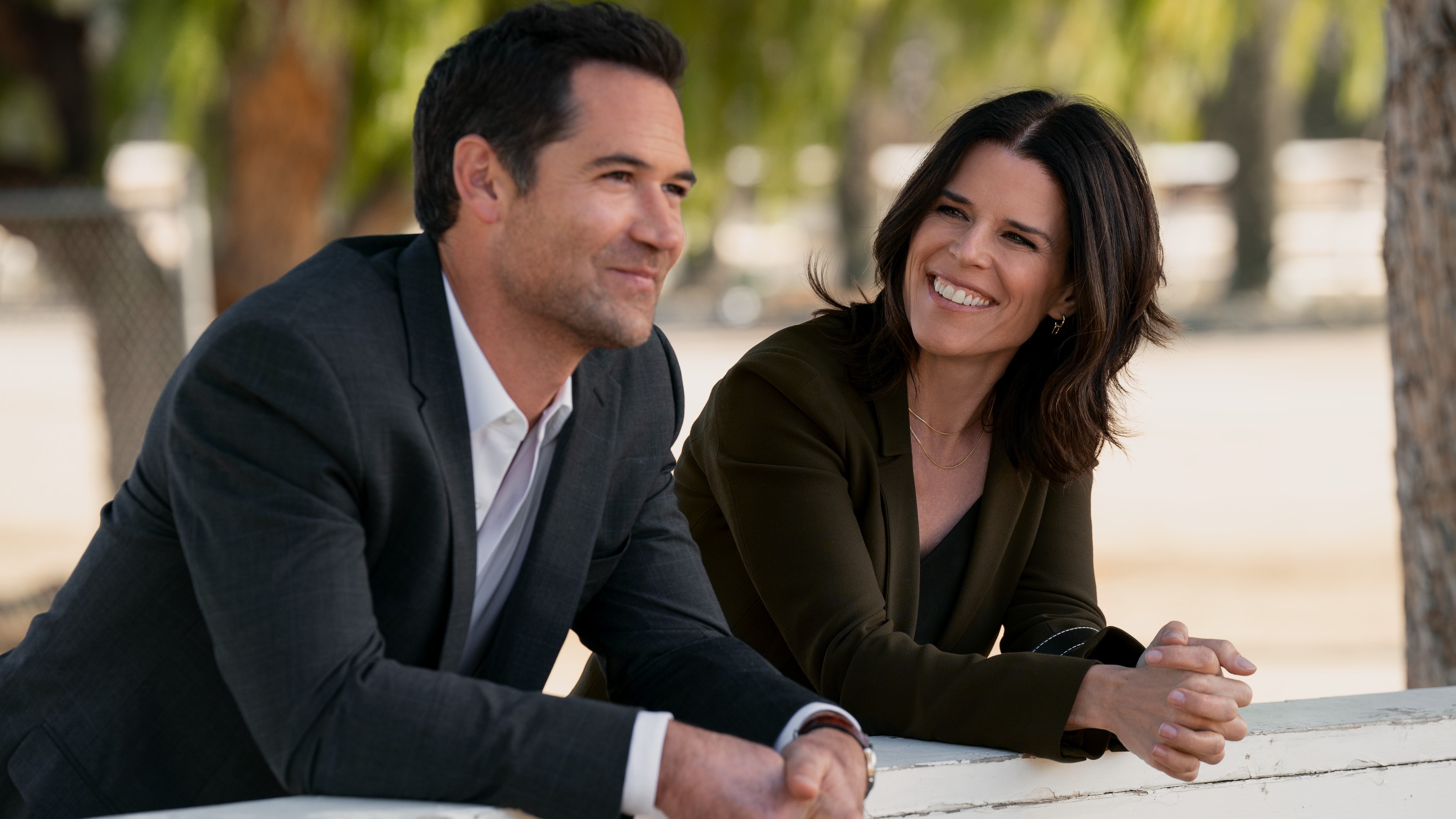
Manuel Garcia-Rulfo delivers a career-defining performance. Mickey’s usual confidence cracks under the weight of being the client. Scenes in prison show a man fighting to maintain composure amid threats and despair, while moments with his team reveal raw fear and determination. The emotional depth shines brightest in his interactions with ex-wife Maggie McPherson (Neve Campbell), who steps up in unprecedented ways. Maggie, a prosecutor turned reluctant defender, joins the team to fight for Mickey’s freedom. Their dynamic—strained by history yet anchored in deep care—fuels some of the season’s most poignant scenes. Campbell’s expanded role brings warmth and tension, highlighting unresolved feelings and the cost of their fractured family.
Supporting players rise to the occasion. Becki Newton as Lorna Crane provides steadfast loyalty and humor, Angus Sampson as Cisco Wojciechowski brings muscle and heart, and Jazz Raycole as Izzy Letts offers quiet strength. New additions enrich the ensemble: Constance Zimmer joins as a formidable presence, while Cobie Smulders makes a late, game-changing appearance. Elliott Gould’s Legal Siegel, Mickey’s wise mentor, delivers heartbreaking wisdom before a devastating loss that hits like a gut punch. His death—handled with quiet dignity—forces Mickey to rely on his own instincts, marking a painful rite of passage.
The season builds relentlessly toward the finale, “The Law of Innocence.” The trial reaches a fever pitch as evidence mounts and alliances shift. Mickey’s team uncovers the true culprit behind Sam’s death—a figure driven by greed and grudge who framed Mickey to settle old scores. In a tense courtroom climax, Mickey’s gamble pays off: charges are dropped, his name cleared, and a public exoneration restores his standing. The victory feels hard-won, but not triumphant. Mickey emerges changed—more reflective, less invincible.
Then comes the moment that shifts everything. As Mickey leaves the courthouse, relieved yet haunted, a mysterious woman intervenes during a sudden threat. She saves him, and in the aftermath, reveals the bombshell: “Actually, I’m your sister.” The screen cuts to black on Mickey’s stunned expression, leaving viewers reeling. This revelation—tied to Cobie Smulders’ character—upends Mickey’s understanding of his family and past. It introduces questions about hidden truths, lost connections, and what this means for his future. The twist isn’t just plot-driven; it’s deeply personal, forcing Mickey to confront identity and belonging in ways the series has never explored.
What makes Season 4 stand out is its emotional authenticity. Previous seasons balanced thrills with character growth, but this one digs deeper into grief, regret, and resilience. The loss of Legal underscores mortality and legacy, while family strains—Maggie’s sacrifices, daughter Hayley’s struggles with bullying, and the looming shadow of Mickey’s choices—add layers of heartbreak. The showrunners lean into vulnerability: quiet hallway breakdowns, unspoken regrets, and raw conversations replace flashy theatrics. Mickey’s realization in the finale—collapsing into Maggie’s arms in wordless relief—captures the season’s essence: justice may prevail, but the wounds remain.
Critics and audiences have embraced the shift, praising its maturity and emotional weight. The pacing keeps viewers hooked, blending suspense with heartfelt moments that make the characters feel real. It’s a season that doesn’t shy from darkness—Mickey’s lowest points test his spirit—but emerges with hope tempered by realism.
The Lincoln Lawyer Season 4 isn’t just raising the stakes; it’s breaking them open to reveal the man beneath the lawyer. Mickey Haller has always fought for others—now he fights for himself, and the battle leaves him forever changed. With that final revelation hanging in the air, the series sets up an even more intriguing future. Fans may not be prepared for what’s next, but after this profoundly moving chapter, they’re more invested than ever.